Viper Boa Diet
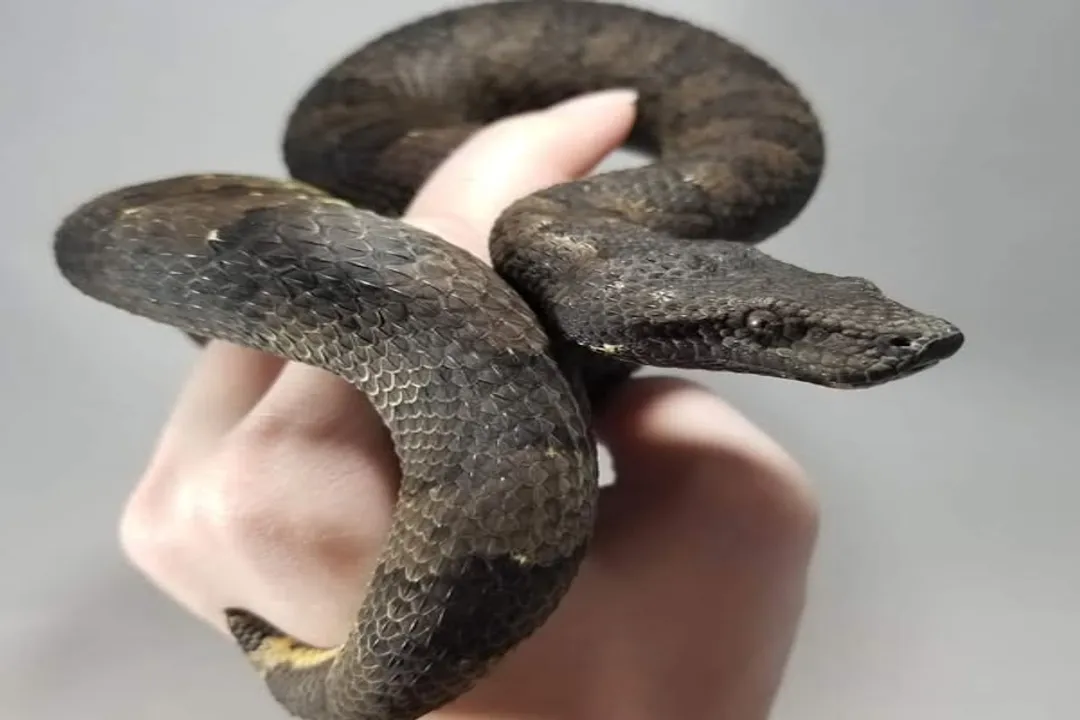
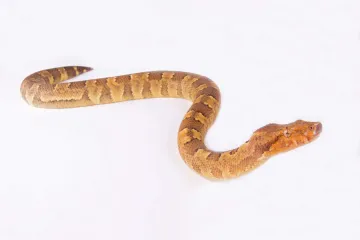
The dietary needs of the Viper Boa, often known by its scientific name Candoia aspera or sometimes called the Red Belly Viper Boa, are a crucial component of their husbandry, directly impacting their long-term health and coloration. Understanding what constitutes an appropriate meal, and how often to present it, is key to keeping these fascinating island species thriving in captivity. Like many constrictors, their diet centers on whole prey items, typically rodents, although variations in feeding habits and prey acceptance do occur across individuals.
# Prey Appropriateness
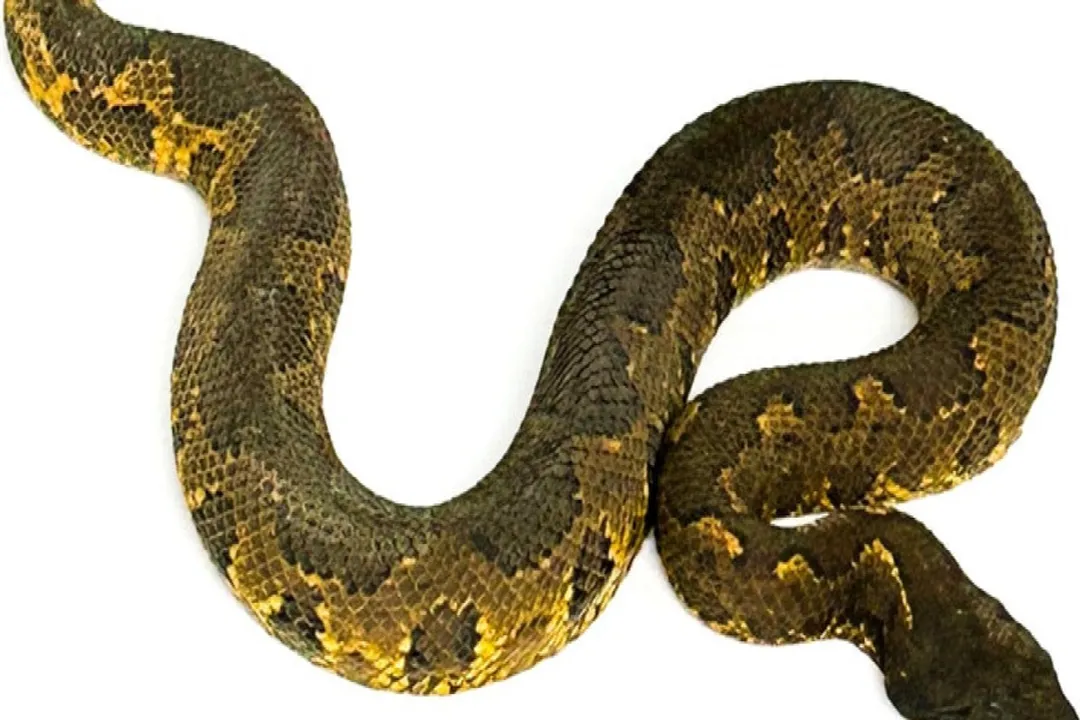
The most fundamental rule when offering food to any snake, including the Viper Boa, concerns size. An incorrectly sized meal can lead to regurgitation, stress, or even injury. A general guideline across many snake species, which applies here, is that the prey item should not exceed the widest part of the snake's body in diameter. For Viper Boas, this means careful observation is required, especially when moving from smaller to larger meals as the snake grows.
While mice and rats form the staple diet for captive Viper Boas, the specific type offered may depend on availability and the snake's preference. Most experienced keepers find success offering appropriately sized rodents, often utilizing frozen/thawed (F/T) options for convenience and safety. For instance, a smaller juvenile might begin on fuzzy mice, gradually transitioning to appropriately sized pinky or fuzzy rats as they mature.
One common point of discussion among keepers involves the live versus frozen debate. While many Candoia readily accept F/T prey, some individuals display strong preferences or sensitivities. If a snake is consistently refusing pre-killed food, a temporary switch back to a live item might be necessary to establish a reliable feeding pattern. However, the goal for most responsible keepers is to transition to F/T as soon as possible. To encourage acceptance of pre-killed meals, a keeper might gently warm the thawed rodent thoroughly and dangle it slightly to mimic the movement of live prey, sometimes even gently scenting it with something familiar, though care must be taken not to over-handle or stress the snake during this process. A practical approach often involves starting any new snake on whatever it was eating at the breeder’s facility before slowly attempting to switch to F/T; this minimizes the initial shock to the snake’s system during a significant environmental change.
# Meal Frequency Schedule
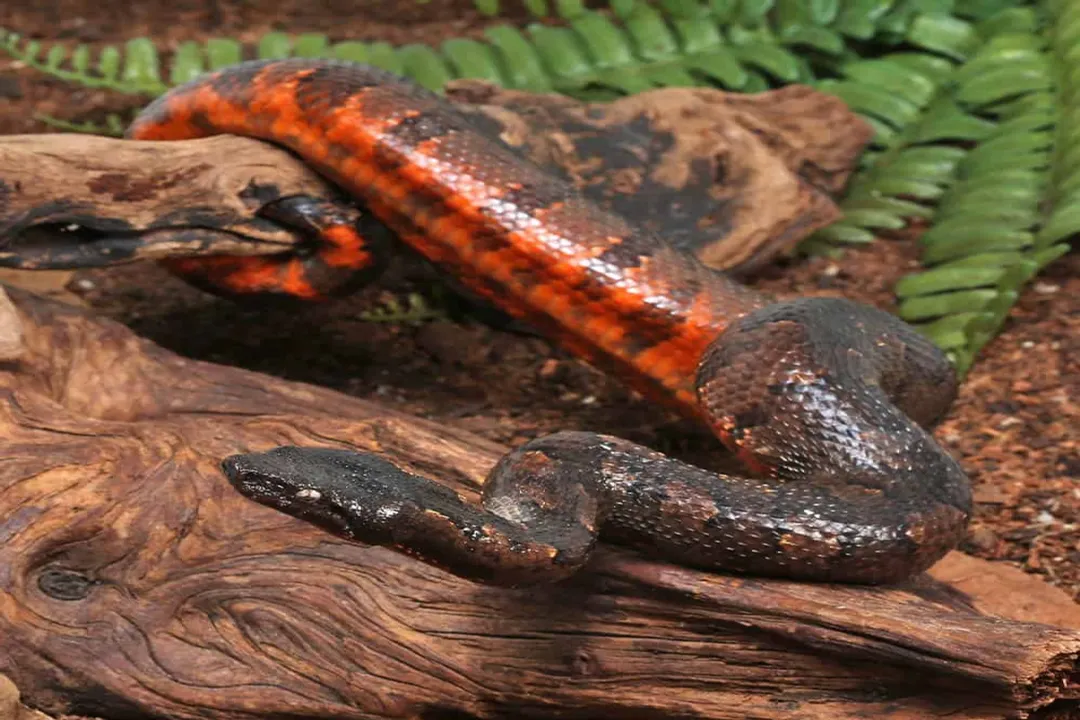
The frequency of feeding is directly linked to the snake's age and metabolic rate. Juveniles, which are growing rapidly, require more frequent meals than established adults.
A structured approach to feeding frequency often looks something like this:
- Hatchlings and Juveniles: These fast-growing snakes generally do best with meals offered on a weekly basis. This consistent energy intake supports rapid development and growth.
- Sub-Adults/Adolescents: As the snake begins to slow its rapid growth phase, the interval between meals can be extended slightly.
- Adult Males: Males, which are typically smaller than females and may not be dedicated to breeding cycles, can often be maintained on a schedule of once every two to three weeks.
- Adult Females: Females that are not gravid (carrying eggs) can usually thrive on a schedule of every ten to fourteen days.
It is important to note that these are guidelines, not unbreakable laws. If a snake is consistently refusing food, it is often better to wait an extra few days before offering the next meal rather than forcing an offering or immediately dropping down to a less frequent schedule if they were previously eating well. Monitoring body condition—ensuring the snake maintains a rounded, but not obese, appearance—is the final arbiter of whether the frequency and size are correct.
# Feeding Challenges and Troubleshooting
Viper Boas, much like some other boa species, can occasionally exhibit periods of food refusal or general pickiness, leading to owner concern. This reluctance can stem from several factors, ranging from environmental stress to improper prey presentation.
Several common reasons can cause a Viper Boa to go off feed:
- Shedding Cycle: Snakes almost universally refuse food when they are "in blue" or preparing to shed their skin. Their vision is impaired, and they feel vulnerable, making hunting impossible. It is best practice to withhold food until after the shed is complete and the eye caps have cleared.
- Temperature Inadequacies: Digestion requires adequate ambient and belly heat. If the thermal gradient in the enclosure is incorrect, the snake may eat but be unable to properly digest the meal, leading to regurgitation and subsequent food aversion.
- Stress: Changes in location, handling too soon after feeding, or having too much visual activity around the enclosure can cause stress, leading to appetite loss.
When troubleshooting a feeding strike, it can be helpful to check the enclosure environment first, particularly temperatures and humidity. If the environment is confirmed as ideal, one might attempt a technique common in reptile husbandry: allowing the snake a period of quiet, undisturbed time in a secure enclosure, perhaps for two weeks, before offering a correctly sized, warmed meal. Comparing the feeding schedule of a male versus a female in the same household can sometimes reveal necessary adjustments; for instance, if a male is eating every 14 days, a female might need food closer to the 10-day mark due to differences in metabolism or reproductive investment.
Another valuable piece of husbandry advice involves how you interact with the food item. When feeding F/T prey, some keepers find success by placing the warmed meal in the center of the enclosure and leaving the snake completely undisturbed until the food is gone or has cooled significantly. This minimizes the chance that the snake associates the keeper’s hand with the food item in a potentially negative way, which can sometimes lead to defensive or overly excited feeding responses that turn into refusal later on.
# Water Quality Consideration
While not strictly the food itself, water quality plays an indirect but significant role in appetite and digestion. A snake that is dehydrated or drinking questionable water may suffer from low-grade digestive upset, making them less inclined to eat. When keeping snakes, especially those that might spend more time near the ground or in high humidity setups, ensuring a fresh, clean water source is available at all times is non-negotiable. For the Viper Boa, whose environment often mimics humid island conditions, the water dish is frequently used for soaking, making it essential to change that water daily or immediately if soiled. Candoia aspera often prefer a larger water dish relative to some desert species, which provides both hydration and a means to assist with shedding.
# Prey Size Trajectory Insight
One area where new keepers often misstep involves the jump in prey size. It is easy to look at a growing juvenile and think, "It's eating a hopper mouse this week, it can handle a weaned rat next week." However, given the slower metabolic rate and potentially more sensitive digestion of Candoia compared to some faster-growing colubrids, making large size leaps in prey can be detrimental. A good practice is to ensure the snake successfully consumes three to four meals of the current prey size before attempting to upgrade to the next size increment. For example, if a snake eats a small weaned rat comfortably three times, then attempt a medium weaned rat, rather than switching immediately after one successful feeding on the smaller size. This gradual scaling minimizes digestive strain and builds confidence in the feeding routine.
# Comparing Feeding Regimes
When cross-referencing husbandry notes, a slight difference in recommended adult male feeding frequency appears across experienced keepers. Some advise strictly every three weeks for males, while others might suggest closer to every two weeks if the male is active or in breeding condition. This variation underscores the need for individual assessment. If a snake loses weight or appears gaunt between meals on a three-week schedule, adjusting to a two-week interval is warranted, even if the prey size remains the same. Conversely, if an adult male gains excessive girth, stretching the time to three weeks might be beneficial for maintaining lean muscle mass. This adaptability, moving beyond a printed schedule to observe the animal, separates routine care from attentive husbandry.
Ultimately, successful feeding for the Viper Boa relies on consistency in environment, careful sizing of the prey item relative to the snake's girth, and patience when issues arise. By respecting their natural rhythms and addressing environmental factors first when refusal occurs, keepers can maintain a healthy, well-fed Candoia aspera.
Related Questions
#Citations
Viper Boas tip and trick - MorphMarket Reptile Community
Viper Boa Care Sheet | Dubia.com
Viper Boa Feeding Trouble | Reptile Forums
How to Care for Your Viper Boa | Reptile Supply
Viper Boa Morphs: Facts, Breeding, Care — Animallearns - Medium
What can we or should we change/do better for a Viper Boa ... - Reddit
Red belly viper boa (Candoia aspera) care guide - Grimoire Exotics
Viper boa care and characteristics - Facebook
Care Guide: Boas: Viper Boas
Viper Boa Care Sheet - Island Life Exotics