Why does prey found beyond the immediate photic zone contribute less to the albatross's daily energy budget?
Their foraging efficacy is strongly correlated with visual cues, limiting access to light-independent depths
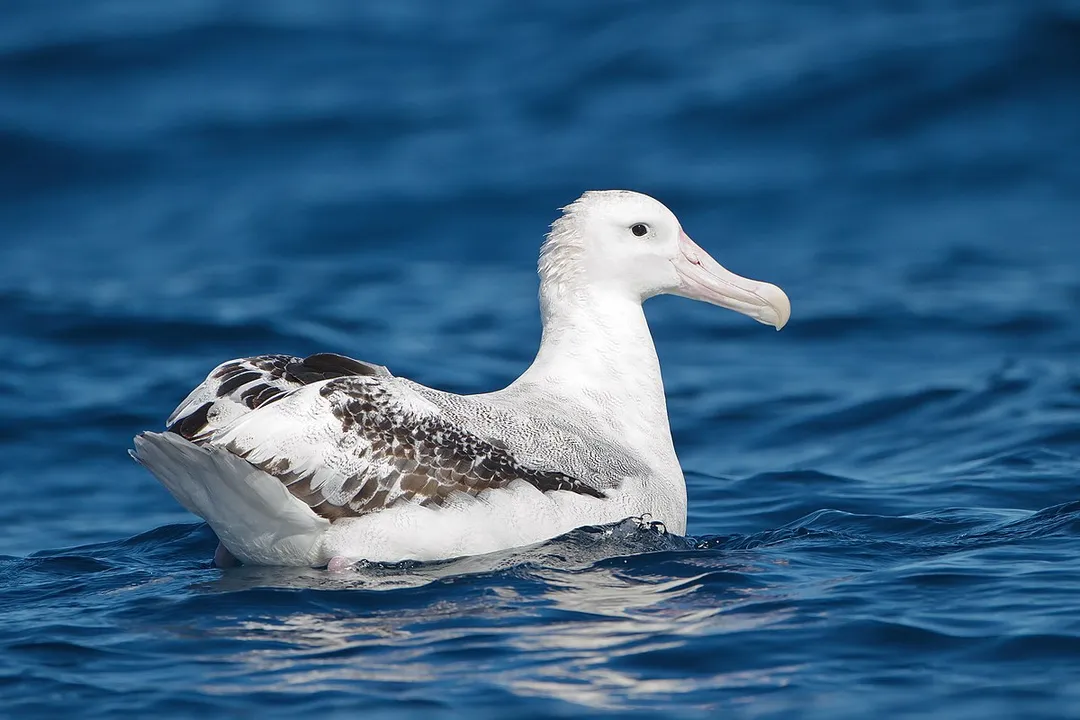
The Wandering Albatross's mastery of the surface dictates which prey sources are viable for its daily caloric needs. Since they primarily use a patrolling or skimming technique, their foraging success is strongly correlated with visual detection—seeing the prey, other birds feeding, or surface disturbances indicating aggregations below. The photic zone is the region where light penetrates sufficiently for this visual cueing to be effective. Therefore, even if organisms are abundant below the immediate surface layer, the albatross’s reliance on visual information means these deeper, light-deprived populations contribute less significantly to the energy they acquire on a day-to-day basis.