What structural features do *A. seemanni* frequently utilize when situating their silk-lined retreats?
Answer
Under or near rocks, logs, or dense scrub vegetation
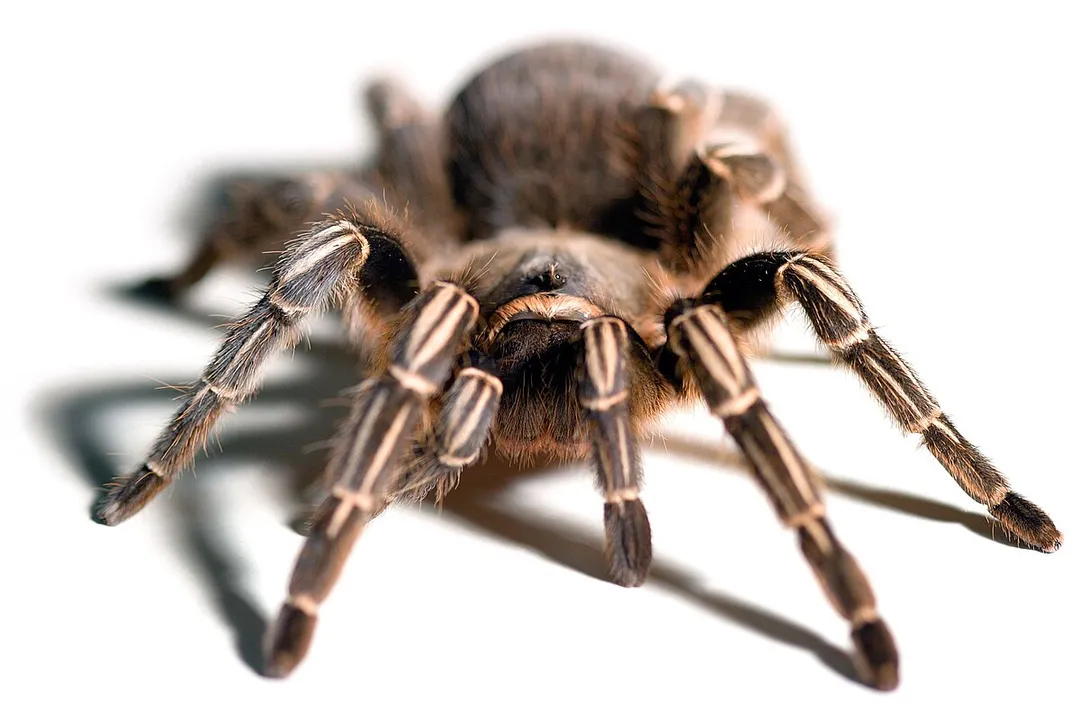
As a fundamentally terrestrial species, *Aphonopelma seemanni* relies on existing features within the dry forest ecosystem to construct and support its essential burrows. These silk-lined retreats are typically situated in close proximity to objects that provide structural anchoring and protection from the elements and predators. Specifically, the spiders seek out locations where they can situate their homes under or immediately adjacent to elements such as stones, fallen logs, or areas covered by dense scrub vegetation. This behavior ensures the stability of the burrow entrance and walls, which is critical for survival, especially when enduring seasonal environmental changes.
Related Questions
What is the binomial classification for the Zebra Tarantula commonly known as the Costa Rican Striped Knee?What preferred environment characterizes the habitat of *Aphonopelma seemanni* in Central America?Which country is cited as the epicenter for the distribution of *A. seemanni*?What structural features do *A. seemanni* frequently utilize when situating their silk-lined retreats?Which distant species shares the common name "Zebra Tarantula" but is native to Southeast Asia?What defines *Aphonopelma seemanni* in terms of its primary lifestyle orientation regarding ground versus trees?How is surface activity of *A. seemanni* behaviorally influenced by seasonal precipitation cycles?What ecological niche differentiator is key to understanding the known range of *A. seemanni*?What setup principle must keepers follow that mirrors the *A. seemanni* environment in Guanacaste region of Costa Rica?Which Central American nations are mentioned as part of the territorial extension for *A. seemanni* besides the epicenter country?