Zebra Pleco Locations
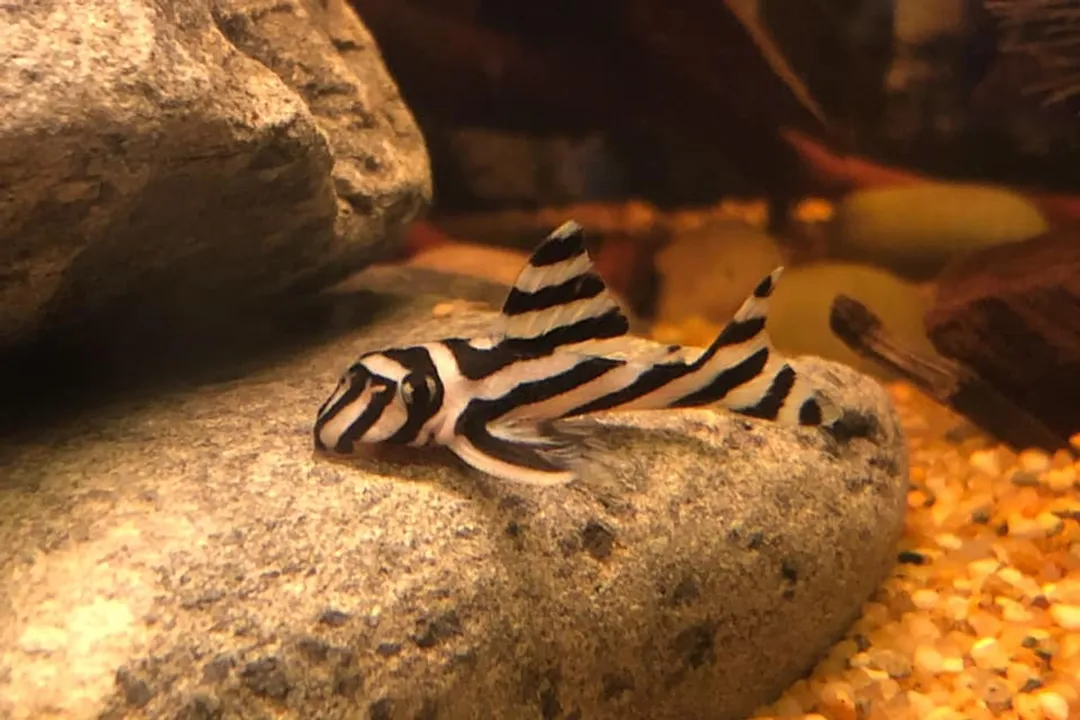
The Zebra Pleco, scientifically known as Hypancistrus zebra, is one of the most visually arresting fish to emerge from South American blackwater systems, instantly recognizable by its stark, high-contrast black and white striping. For aquarists captivated by this species, understanding where they originate is not just trivia; it provides essential context for their care and conservation. Unlike many widely distributed catfish, the Zebra Pleco's wild range is exceptionally narrow, making its specific location a defining characteristic of the species.
# Origin River
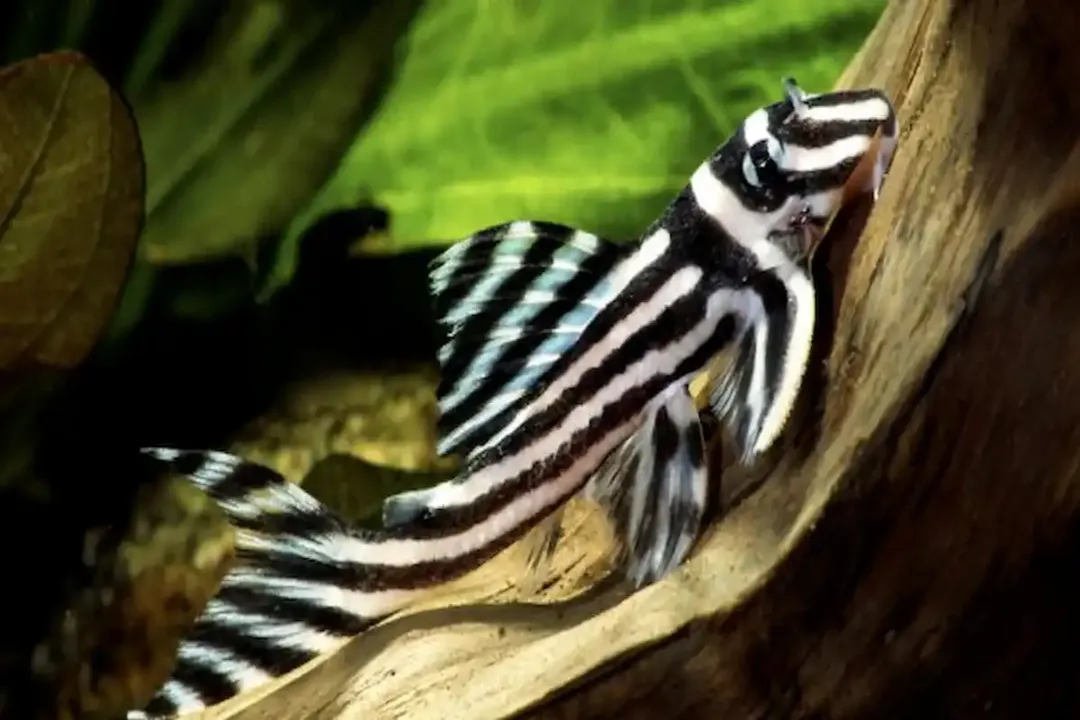
The native home of the Zebra Pleco is singularly defined: the drainage system of the Xingu River in Brazil. This specific location places the species firmly within the Brazilian Amazon basin, an area famed for its incredible biodiversity. They are endemic to this river system, meaning they are found nowhere else on Earth in the wild. The significance of this limited range cannot be overstated; it immediately classifies the fish as specialized, requiring precise environmental parameters that mimic its highly specific riverine origins.
# Water Dynamics

To truly grasp the location, one must look past the map coordinates and visualize the river itself. The Zebra Pleco does not inhabit sluggish backwaters or calm tributaries; rather, it thrives in areas characterized by fast-flowing, highly oxygenated water. This perpetual motion is vital, constantly refreshing the water and keeping dissolved oxygen levels high—a necessity for these active fish.
The substrate of their domain is predominantly rocky. They seek refuge within the crevices, under large stones, or among the submerged boulders of the riverbed. This environment is fundamentally different from the soft, muddy bottoms many other plecos prefer. Their flattened ventral profile and wide, downward-facing mouth are perfectly adapted for clinging to surfaces and grazing in high-velocity currents, a physical manifestation of their precise location requirements.
If we consider the physics of their environment, the heavy flow necessitates a strong attachment mechanism. The suction-cup-like mouth structure seen in Hypancistrus zebra is a direct evolutionary response to living where the water is always moving swiftly over hard surfaces, allowing them to maintain position while feeding or resting against the force of the current. This adaptation is a masterclass in localized survival strategy, showing how the geography directly shapes the biology of the inhabitant.
# Local Reach

While the Xingu River is the overarching system, researchers have pinpointed the most concentrated populations to a relatively small area. The species is specifically associated with the region known as the Volta Grande do Xingu (Great Bend of the Xingu). This geographical feature is situated near the city of Altamira, located in the state of Pará, Brazil. This level of specificity means that the entire global wild population is reliant on the ecological integrity of a specific section of one river.
It is worth noting that the Xingu River basin is geographically vast, but the habitat requirements for H. zebra appear to be stringent enough to restrict them to these turbulent, rocky sections. The fish are typically small, often remaining around 3.5 inches in length, which allows them to exploit the tight confines of these rocky territories.
# Endemic Vulnerability
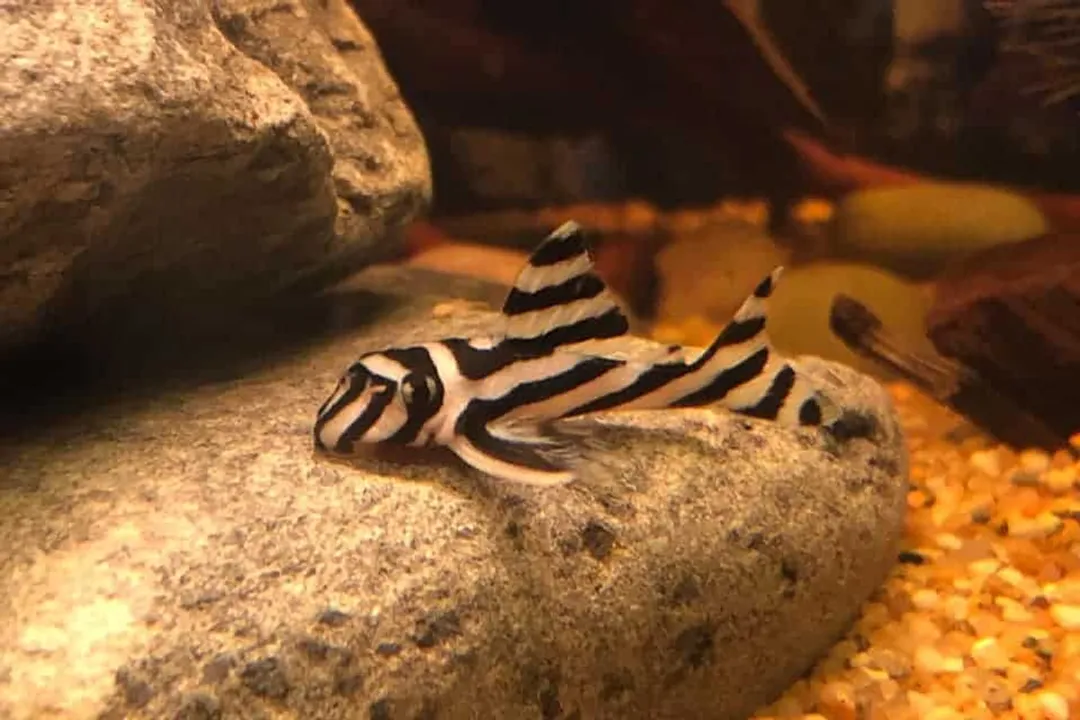
The fact that the Zebra Pleco is restricted solely to the Xingu River, particularly the Volta Grande, immediately raises conservation flags. When a species has such a small geographic footprint, it is inherently vulnerable to localized disturbances. Any significant change to the water quality, flow rate, or substrate composition within that specific bend of the river can have catastrophic consequences for the entire wild population.
The existence of these fish in the aquarium hobby relies heavily on captive breeding programs today, a fact underscored by their restricted wild origin. For hobbyists interested in their background, understanding the threat level associated with their native location reinforces the ethical importance of sourcing these fish only from reputable breeders who have successfully established sustainable captive lines. To maintain genetic diversity and protect the wild population, it is critical for responsible aquarists to prioritize captive-bred specimens, thereby reducing the pressure on what is an already highly confined natural range. Supporting ethical breeding practices indirectly supports the long-term survival of the Hypancistrus zebra by respecting the fragility inherent in its singular geographic location.
Related Questions
#Citations
Zebra pleco - Wikipedia
How to Build a Zebra Pleco Habitat | TFH Magazine
Zebra Pleco | Endless Ocean Wiki - Fandom
Zebra Pleco Care - Hypancistrus Zebra - Fish Lore
Zebra Pleco Fish Facts - Hypancistrus zebra - A-Z Animals
The Ultimate Guide to Zebra Pleco Care: Habitat, Feeding, Health ...
The Lowdown On The Zebra Pleco | MonsterFishKeepers.com
The Zebra plec: Learn your stripes! - Practical Fishkeeping
Zebra Pleco Spawns. - PlanetCatfish.com