Zebra Finch Locations
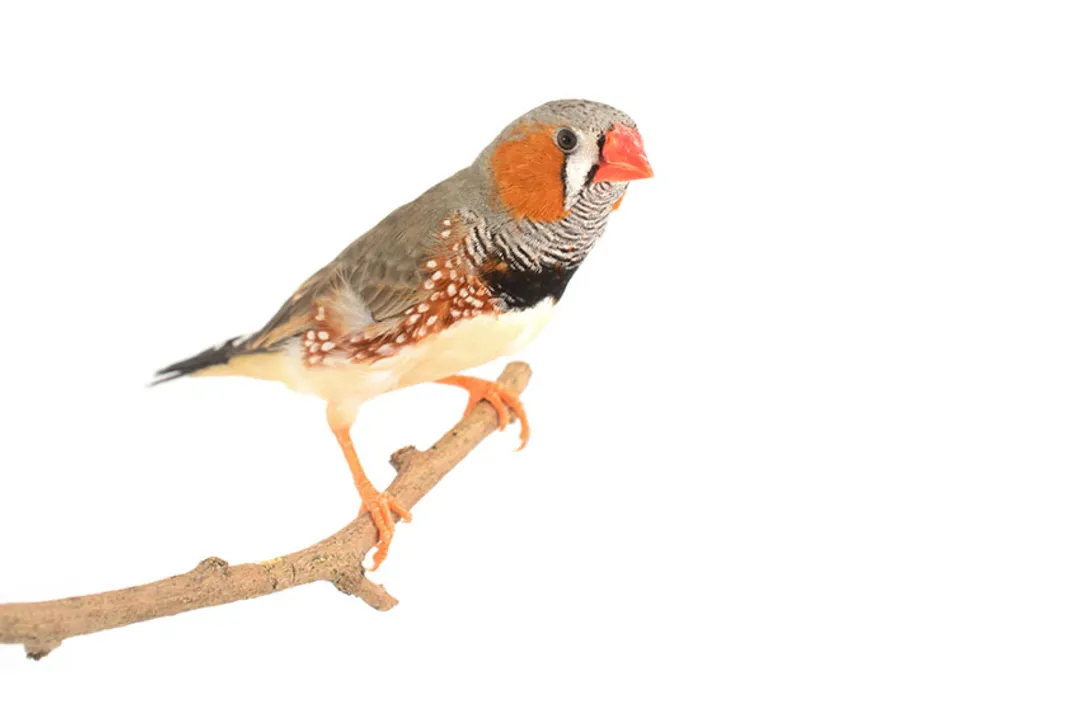
The zebra finch, a name now applied to a pair of distinct species, occupies a fascinating range that spans from the arid heartlands of a continent to aviaries across the globe. While many bird enthusiasts instantly recognize the species from pet stores or breeding setups, their roots are firmly planted in Oceania and Southeast Asia. The collective understanding of their distribution requires separating the two officially recognized members of the genus Taeniopygia: the Australian zebra finch (T. castanotis) and the Sunda zebra finch (T. guttata).
# Native Home Australia
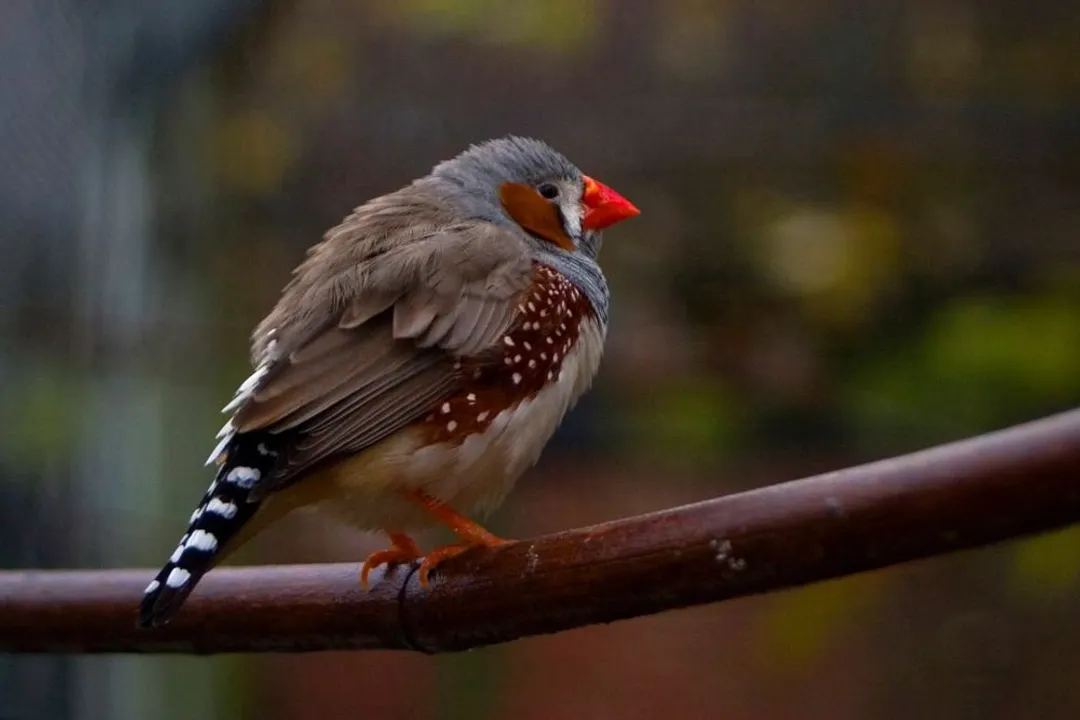
For the vast majority of people familiar with this species, the primary association is with Australia. The Australian zebra finch (T. castanotis) is widely recognized as the most common of Australia's grassfinches. Their distribution covers the majority of the Australian mainland.
However, stating they inhabit "most regions" needs qualification, as their natural range has clear boundaries. They are notably absent from the Cape York Peninsula in the northeast section of Queensland. Furthermore, the wet, cooler, and more tropical areas of the country are generally avoided by the species. This pattern suggests a strong physiological preference for drier, warmer conditions. They are intrinsically linked to the drier zones, characterizing them as inhabitants of arid regions where scattered trees and grasslands prevail.
The term "grassfinch" itself speaks volumes about their chosen ecological niche. In the wild, these birds are found year-round in social flocks, sometimes numbering one hundred or more individuals. Their preferred habitat involves dry wooded grasslands, often near watercourses. This necessity for water is a crucial factor in understanding their precise location across the continent. They are known to live exclusively in savanna and subtropical dry habitats, favoring areas that are relatively open, featuring broad expanses without dense vegetation, or just scattered shrubs and small trees.
# Indonesian Presence
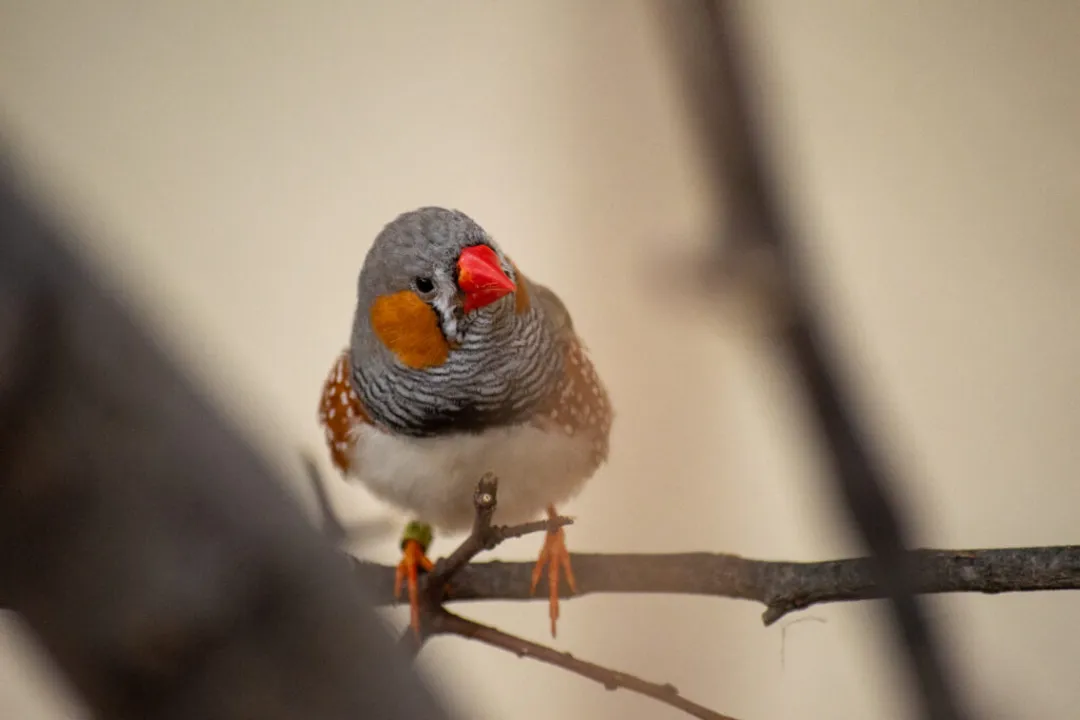
The distribution story extends beyond the Australian mainland to the islands situated to the northwest. The genus Taeniopygia includes the Sunda zebra finch (T. guttata), which is native to the Lesser Sunda Islands of Indonesia, specifically ranging from Lombok to Timor.
It is interesting to note the historical context of this split in species classification. Previously, both the Australian and Indonesian populations were grouped under a single species name, T. guttata. The modern division, accepted by organizations like the IUCN Red List and BirdLife International around 2016, was based on observed differences in plumage, genetic divergence in mitochondrial DNA (mtDNA), and patterns of mate selection observed in captivity. This taxonomic refinement acknowledges that while closely related and ecologically similar, the island populations represent a distinct lineage from their mainland Australian cousins.
# Global Introduction
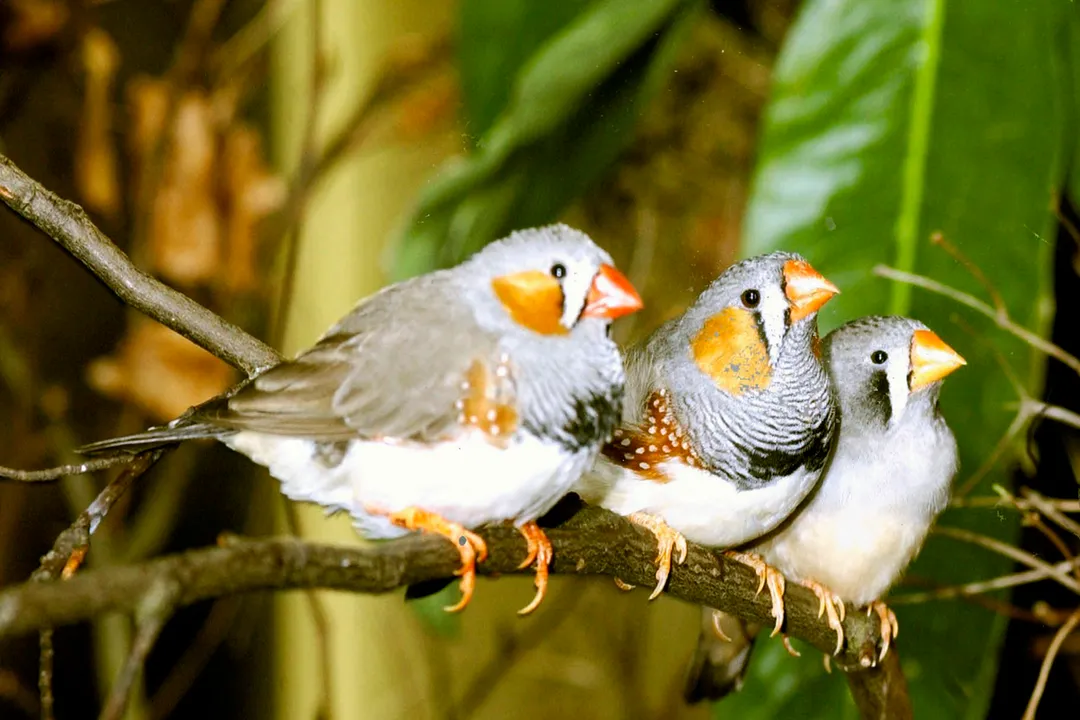
While their native distribution is restricted to Australia and the Lesser Sunda Islands, the zebra finch has successfully established itself in several areas outside of its natural range, usually through human introduction. These are often referred to as feral or introduced populations, which thrive outside controlled environments.
For instance, there are thriving, established populations of introduced zebra finches in the USA and Brazil. Additionally, a small feral population has managed to survive in Portugal. Another source explicitly points to the introduction of the species to Puerto Rico. This ability to establish non-native populations in diverse climates speaks to their adaptability, a trait that serves them well in their native arid environments as well. If we look at the broader Taeniopygia genus, both species are classified as Least Concern (LC) by the IUCN, suggesting that these introduced populations are not putting any pressure on the species' global survival status.
# The Captive Population
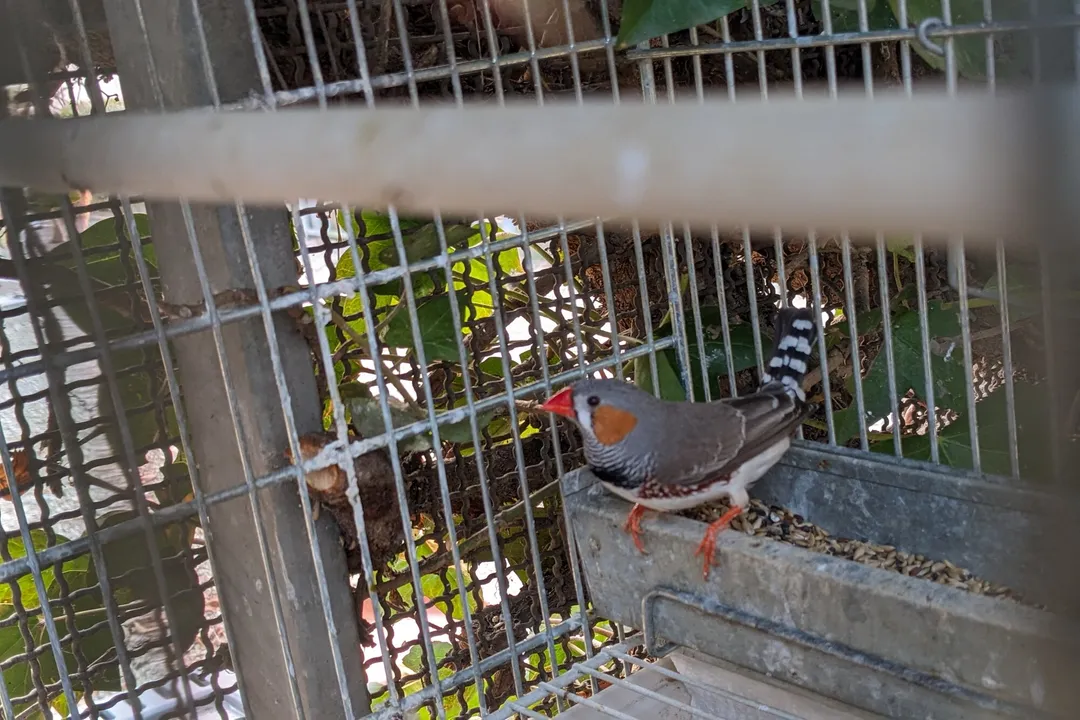
Perhaps the most widespread location for the zebra finch, numerically speaking, is in captivity. The pet trade is a significant economic driver for the species, as they are highly desired for their colorful markings, sociability, and pleasant songs. They are the second most popular pet finch globally, trailing only the canary.
Because they are relatively small (about 10 to 11 cm long) and easy to maintain and breed reliably, they have been imported and bred globally for well over a century. The Australian species was first captured by Western science in 1801, and importation into Europe began within decades. Germany achieved successful breeding by the 1870s, with much of Europe following suit by the 1900s.
Today, captive populations exist throughout much of the world. They are common fixtures in the homes of bird keepers in places like Canada, and are featured in zoological settings, such as the indoor aviaries at the Abilene Zoo in Texas. The vast majority of pet birds are derived from the Australian subspecies (T. castanotis).
It is crucial to note the distinction between wild and captive populations in terms of study. The Australian zebra finch, in particular, has become a model organism for studying various fields, including neurobiology, behavior, ecology, and evolution, precisely because they breed so readily in controlled environments.
# Factors Shaping Location
Understanding where zebra finches are found in the wild is inextricably linked to environmental pressures, particularly the availability of water. Their native habitat preference leans heavily toward arid and semi-arid zones, but they require frequent drinking opportunities.
An interesting point emerges when comparing their natural habitat with the impact of human activity. The proliferation of artificial dams and water tanks across the Australian landscape has, counterintuitively, increased the bird's natural range. Where once they would have been restricted by natural ephemeral water sources, human infrastructure has created reliable, permanent watering holes, allowing them to occupy areas previously too dry for sustained presence. This dynamic means their current distribution map reflects a complex interaction between natural ecology and agricultural/pastoral land use.
Another factor shaping their location is social structure. In non-breeding times, they form large flocks, but during breeding, these break down into smaller groups of about 50 individuals around nesting territories. This means that while they may travel large distances searching for food resources, their defended territory is concentrated immediately around the nest site. This localized defense helps explain why they might appear absent from one patch of grassland but present in the next—it depends on the immediate availability of safe nesting material and territory around a successful water source.
# Longevity and Environment
The geographical location where a zebra finch lives has a profound effect on its expected lifespan, illustrating the harshness of life in the wild compared to the stability of human care. In their native Australian habitats, depending on resource availability, the expected lifespan is short, typically only 2 to 3 years. This short tenure likely reflects the boom-and-bust cycle tied to the erratic rainfall patterns that trigger their breeding season. They must reproduce quickly when conditions are favorable.
Contrast this with their existence in captivity. Sources indicate that in a safe, managed environment, their expected lifespan stretches significantly, cited between 5 to 7 years, or even up to 15 years according to some hobbyist observations. This vast difference—potentially a five-fold increase in longevity—is a direct consequence of stable food supply, minimized predation, and lack of environmental stress, factors that define their location in a climate-controlled aviary versus an unpredictable savanna. The fact that they are so common in both the wild and captivity, yet exhibit such different lifespans, provides a stark measure of the environmental challenges inherent in their natural distribution across the Australian interior.
Related Questions
#Citations
Zebra finch - Wikipedia
Taeniopygia guttata (zebra finch) - Animal Diversity Web
Zebra Finch | Finches and Canaries | Guide | Omlet US
The Zebra finch (Taeniopygia guttata) | BackYard Chickens
Zebra Finch - The Australian Museum
Zebra Finch - NatureRules1 Wiki - Fandom
Zebra Finch Bird | Abilene Zoo Animals