Zebra Shark Locations
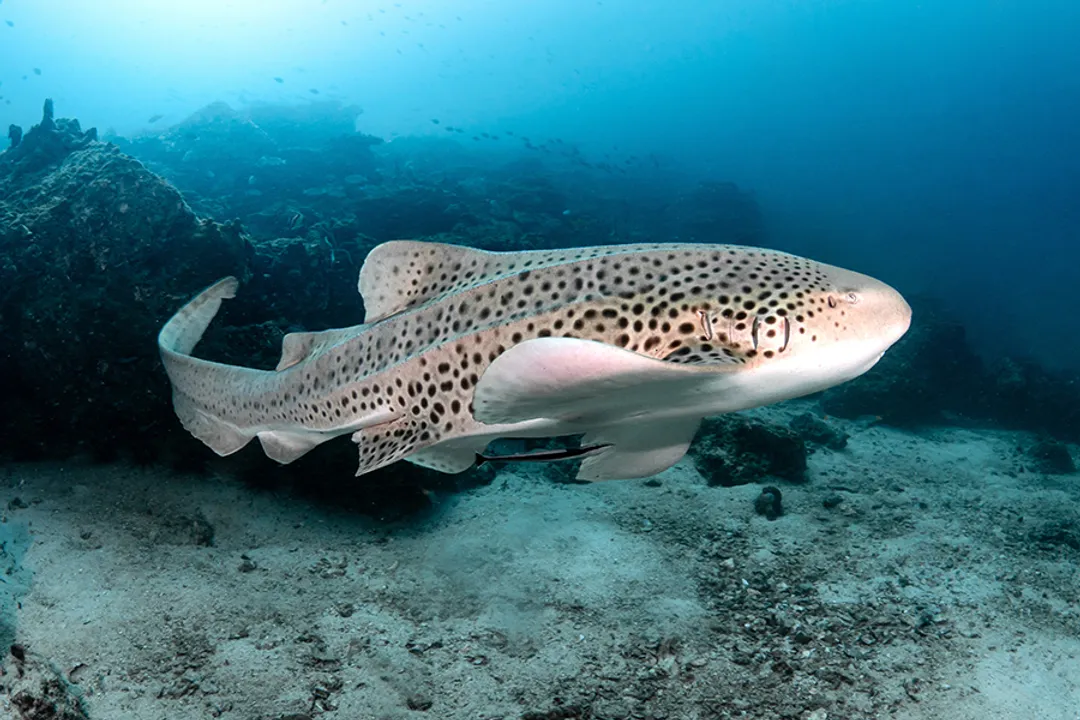
The zebra shark, scientifically known as Stegostoma tigrinum, is a species whose name can be slightly misleading regarding its adult appearance, yet perfectly describes its juvenile phase. [5][9] While the juveniles are strikingly patterned with dark bands on a lighter background—hence the common name—the adults display spots over a grayish-brown base. [5][1] Understanding where to find this fascinating benthic shark requires knowing the vast but specific tropical band it occupies across the Eastern Hemisphere’s oceans. [6]
# Indo Pacific Scope
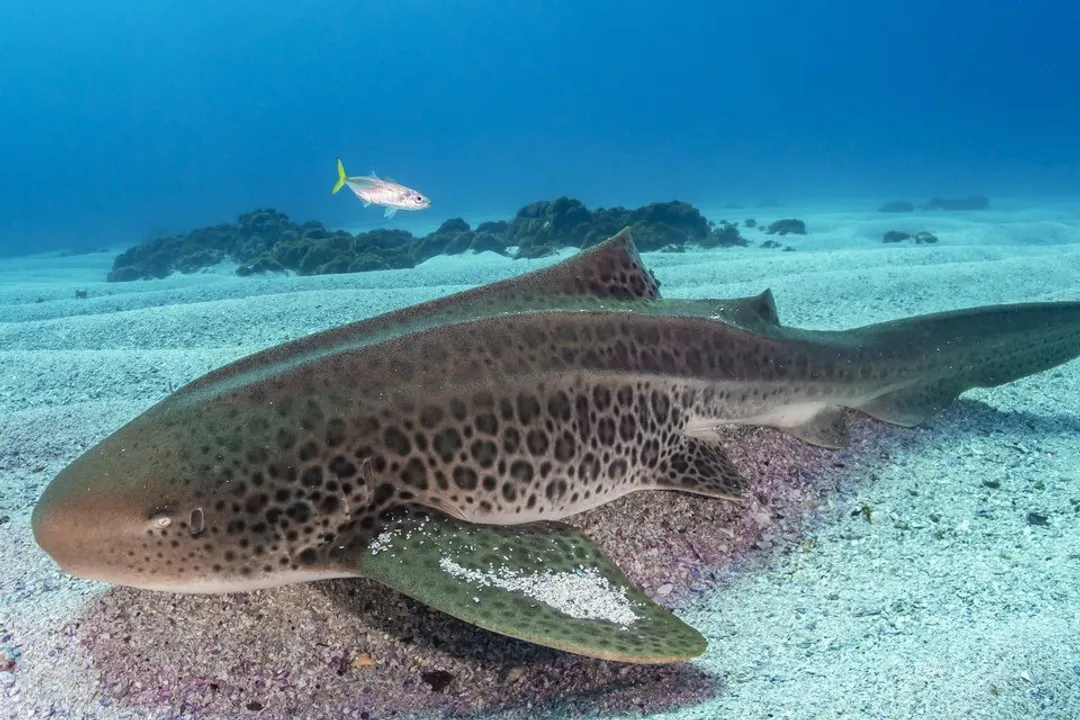
The primary distribution area for the zebra shark encompasses tropical and subtropical waters across the entire Indo-Pacific region. [1][9] This range is immense, stretching from the eastern coast of Africa all the way across to the Americas, though their presence along the eastern Pacific edge is less consistently documented in the provided details compared to the western sectors. [1] Essentially, if you are diving or snorkeling in warm, clear, shallow waters between the Indian Ocean and the Western Pacific, the zebra shark is a possibility. [4][6]
The sheer breadth of this range necessitates breaking down the locations into its two major oceanic zones: the Indian Ocean and the Pacific Ocean. [6] In the Indian Ocean basin, populations are known to exist near the Red Sea, along the East African coast, around Madagascar, and extending eastward towards India and the Malay Archipelago. [1] The waters surrounding large island nations and archipelagos in this zone provide ideal nursery and foraging grounds. [1]
In the Pacific theater, the distribution continues eastward from the Malay Archipelago, extending far into the Western and Central Pacific, with some records indicating a historical or contemporary presence extending toward the coast of South America. [1] The warm equatorial currents dictate this expansive aquatic territory where temperatures remain suitable for this species year-round. [4]
# Specific Hotspots
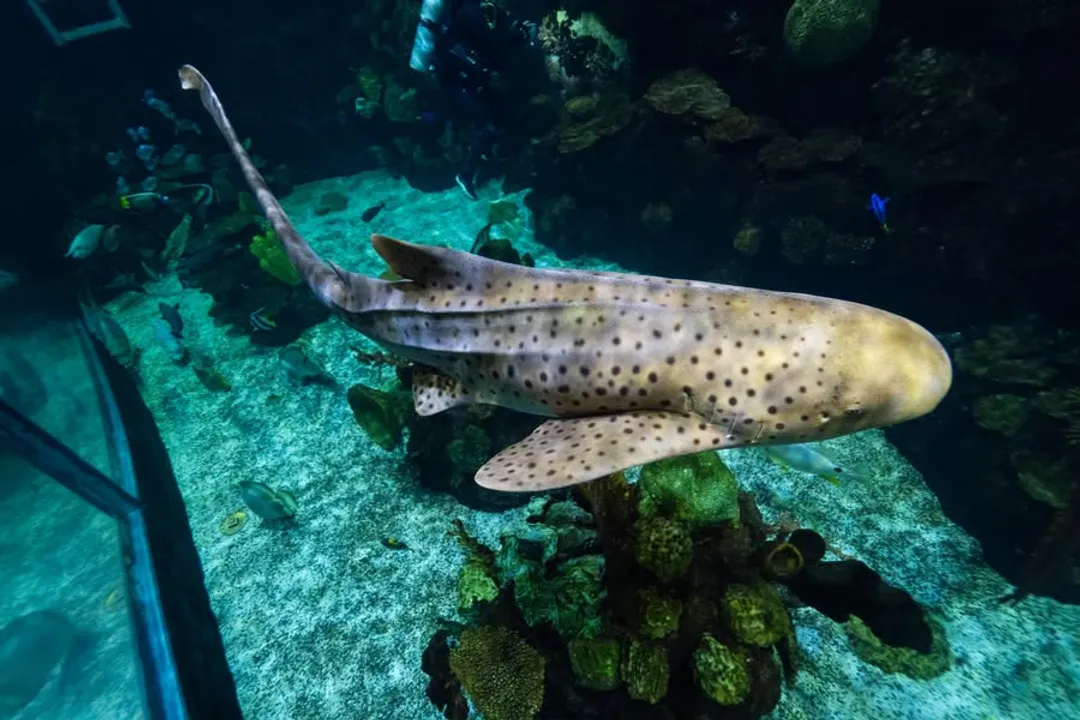
Certain areas within this massive global range are particularly renowned for supporting healthy populations of Stegostoma tigrinum. Australia, for instance, is a critical location, especially along its northern and eastern coastlines, including the world-famous Great Barrier Reef system. [5] These reef complexes offer the complex structures—caves, ledges, and diverse substrates—that the shark favors. [4]
The Malay Archipelago serves as a geographic bridge and a biological nexus, hosting populations that transition between the Indian and Pacific Ocean environments. [1][5] When planning an underwater trip with the specific goal of encountering one of these sharks, focusing research efforts on the established reef systems from Indonesia eastward, or the well-protected zones off Northern Australia, typically yields the best results. [5] It is interesting to compare this broad, continuous range with sharks that have much narrower, endemic distributions; the zebra shark’s success is clearly tied to its adaptability across warm, coastal marine environments. [1][4]
# Bottom Dwellers Habitat
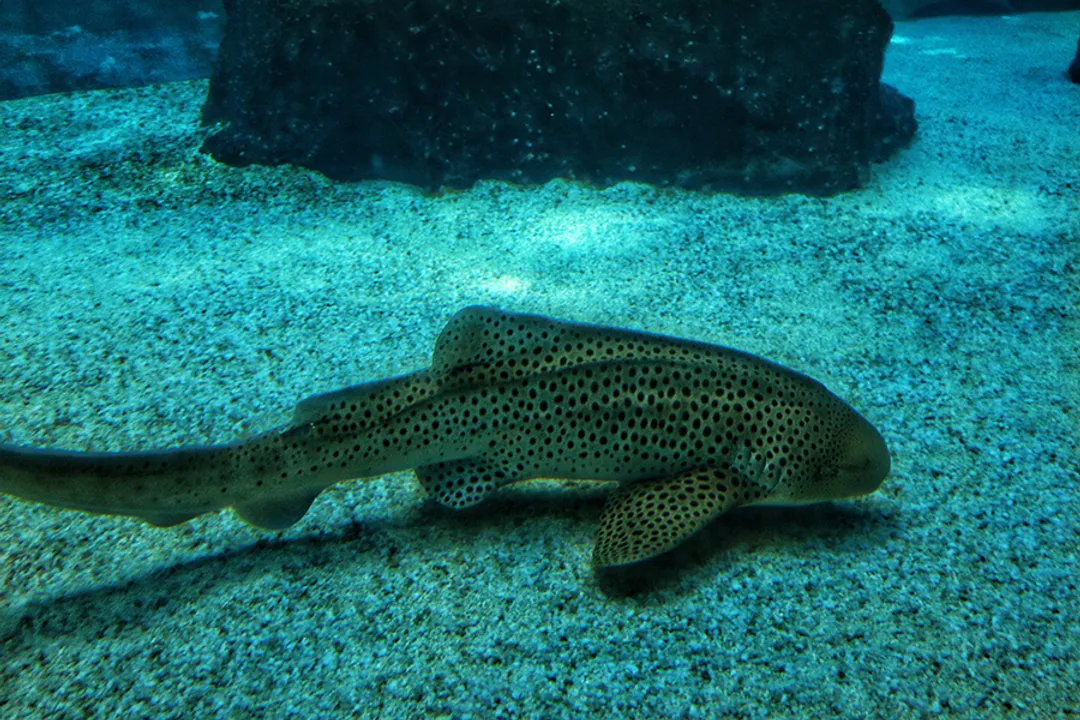
A crucial factor in locating a zebra shark, regardless of the specific ocean, is understanding its preferred substrate and depth. [1][9] The zebra shark is distinctly benthic, meaning it spends the majority of its time near or on the seafloor. [1] This immediately rules out pelagic spotting; you will not find them cruising the blue water column far from land. [4]
Their preferred habitats include a mix of substrates common to tropical coastal zones:
In terms of depth, while they are known to inhabit deeper areas sometimes exceeding 70 meters, the majority of their activity, particularly foraging, occurs in much shallower, well-lit waters. [1][4] Researchers frequently note that common sightings occur between depths of 3 and 30 meters. [4] For the recreational diver or snorkeler, this depth range is highly accessible, significantly increasing the opportunity for an encounter compared to species living exclusively in the deep twilight zone. [4] If you are looking for a zebra shark, always keep your focus low, scanning the sand patches adjacent to the reef crests where they often rest during the day. [9]
# Life Stage Location Shifts
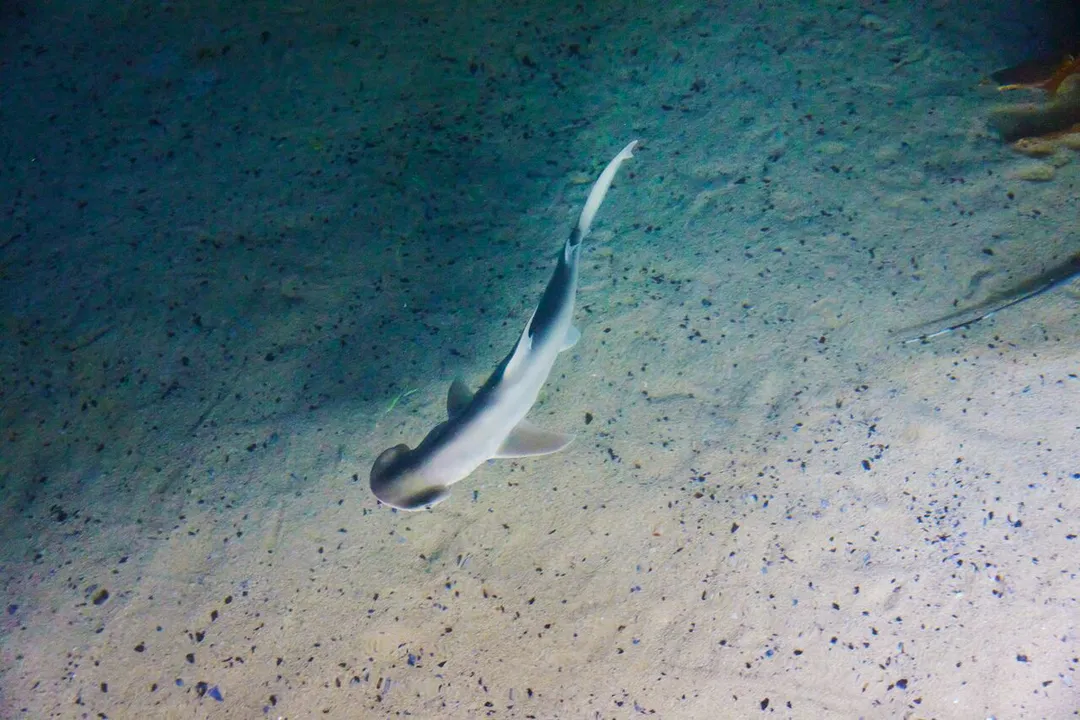
The physical appearance shift from juvenile to adult correlates strongly with changes in preferred living space, which is an essential piece of locational intelligence. [1][5] Because the juveniles exhibit the striped "zebra" pattern and the adults display spots, the shark's location might sometimes be tied to the maturity of the population present in a given area. [5]
While not explicitly detailed across all sources, the general rule in many shark species is that juveniles utilize shallower, more protected nursery areas—often estuaries or very shallow reef flats—before moving to deeper or more exposed areas as they mature. [1] Therefore, observing a striped zebra shark suggests you are in a productive nursery zone, likely shallower and perhaps in a sheltered lagoon environment, whereas an adult spotted shark might be found along the outer reef slopes or deeper sandy plains within their established tropical belt. [1][5]
A practical application of this knowledge for divers might involve slightly altering search patterns based on the observed markings. If a local dive operator reports seeing many striped individuals, it implies a healthy recruitment zone nearby, suggesting exploring sheltered inner reefs might be more productive than heading straight to deep outer walls, even though adults are present there too. [4] This subtle difference in habitat use between life stages adds a layer of complexity to predicting their exact position within the wider Indo-Pacific matrix. [1]
# Conservation Zones
The wide distribution of S. tigrinum across numerous national jurisdictions means that its conservation status is managed differently depending on the exact location. [10] While the species is currently listed as Endangered globally by the IUCN, this status reflects pressures across its entire range, not uniform depletion everywhere. [10] For instance, areas with robust marine protected area (MPA) networks, such as certain sections of the Great Barrier Reef or well-managed national parks in Southeast Asia, may host more stable, observable populations compared to regions where fishing pressure is intense or unregulated. [5][10] Understanding the local management context of a particular dive site—whether it falls within a 'no-take' zone or an area with specific fishing regulations—can offer insight into the local density and health of the zebra shark population you are hoping to observe. [10]
Related Questions
#Citations
Zebra shark - Wikipedia
Zebra Shark | Wonders of Wildlife
Zebra Shark | Online Learning Center - Aquarium of the Pacific
Zebra Shark – Discover Fishes - Florida Museum of Natural History
Zebra Shark, Stegostoma tigrinum (Forster 1781) - Australian Museum
Zebra sharks are found in tropical waters in the Indian and Pacific ...
Zebra shark - Stegostoma fasciatum
Zebra Shark - Oceana
Zebra Shark - Waikiki Aquarium
Stegostoma fasciatum - Zebra Shark - Animal Diversity Web