What actionable focus supports the survival chances of specialized cuckoos like *B. fernaldae* locally?
Answer
Supporting the ecological health of social bumblebee populations.
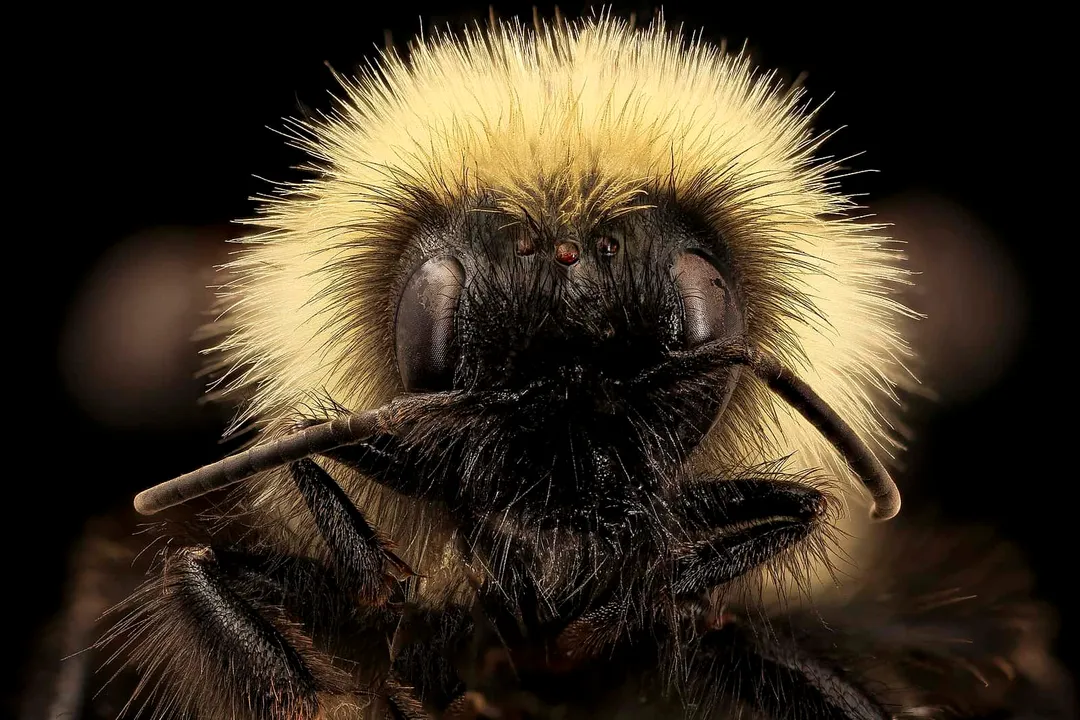
Because the Yellowish Cuckoo Bumblebee's existence is obligately linked to the presence and success of its hosts, local conservation efforts must reflect this dependency. Recognizing that the parasite cannot survive long-term without its resource directly translates to an actionable conservation strategy: supporting the ecological health of the social bumblebee populations, such as *B. affinis* or *B. impatiens*. Protecting and bolstering the host species—by mitigating habitat loss, pesticide exposure, or disease threats—functionally ensures the continuation of the parasite population, as the parasite's fitness is wholly dependent on the host's ongoing reproductive success.
Related Questions
What current designation often groups *Bombus fernaldae* in contemporary contexts?What shared life history defines the Yellowish Cuckoo Bumblebee's evolutionary adaptation?What specialized structure found on social female hind legs is vestigial or lost in cuckoo females?How is the female Yellowish Cuckoo Bumblebee's energy investment redirected compared to social queens?What specific risk does the specialized relationship with *Bombus affinis* impose on the parasite?What is the primary evolutionary consequence of losing the worker caste in cuckoo bees?How does the reproductive morphology of the parasitic female differ from a standard queen's initiation duties?What is the evolutionary prerequisite concerning the host phenology for the parasitic female's spring emergence?What speciation concept might explain *B. fernaldae*'s historical distinctness based on geographic separation?What actionable focus supports the survival chances of specialized cuckoos like *B. fernaldae* locally?