What potential metabolic state is debated for Xiphactinus compared to most modern fish?
Answer
Regional or full endothermy (warm-bloodedness)
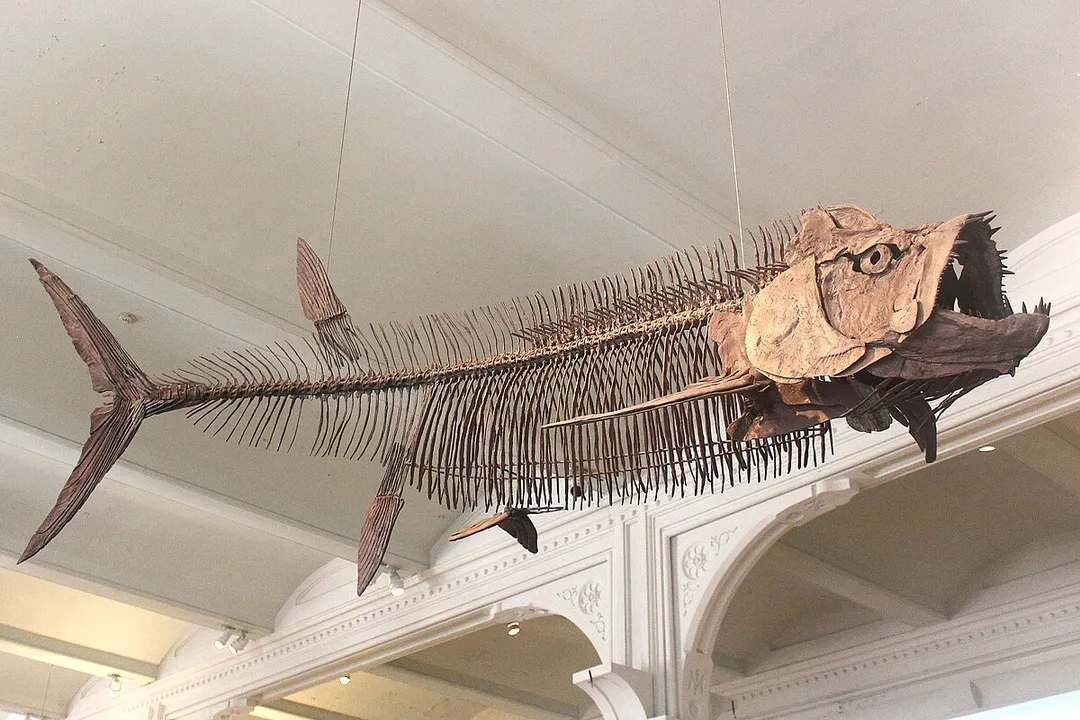
A fascinating scientific debate centers on the metabolism of *Xiphactinus*, suggesting it may have utilized some degree of regional or complete endothermy, meaning it could regulate its body temperature internally (warm-bloodedness), unlike the typical ectothermy (cold-bloodedness) of most fish. The sheer size of the creature, potentially exceeding 500 pounds, coupled with its inferred high activity level as a pursuit hunter, necessitated a substantial and sustained energy budget that points toward maintaining elevated internal temperatures, similar to modern lamnid sharks or tuna.
Related Questions
To which family does the apex predator Xiphactinus belong?During which geological ages did Xiphactinus maintain its predatory success?What is the commonly estimated adult length range for Xiphactinus specimens?How were the teeth of Xiphactinus set, distinguishing it from later bony fishes?What morphological feature did the caudal fin of Xiphactinus share with modern tuna?What potential metabolic state is debated for Xiphactinus compared to most modern fish?What ancient ocean once split North America where Xiphactinus thrived?From which famous chalk beds are detailed Xiphactinus fossils frequently recovered?Which massive marine reptile did Xiphactinus coexist with but not dominate as a predator?Which Xiphactinus species is designated as the more widely known and larger apex predator?What aggressive feeding strategy does the swallowed Protosphyraena illustrate for Xiphactinus?