What potential function, other than powered flight, is suggested for the pennaceous feathers of *Xiaotingia*?
Answer
Display or ground maneuvering
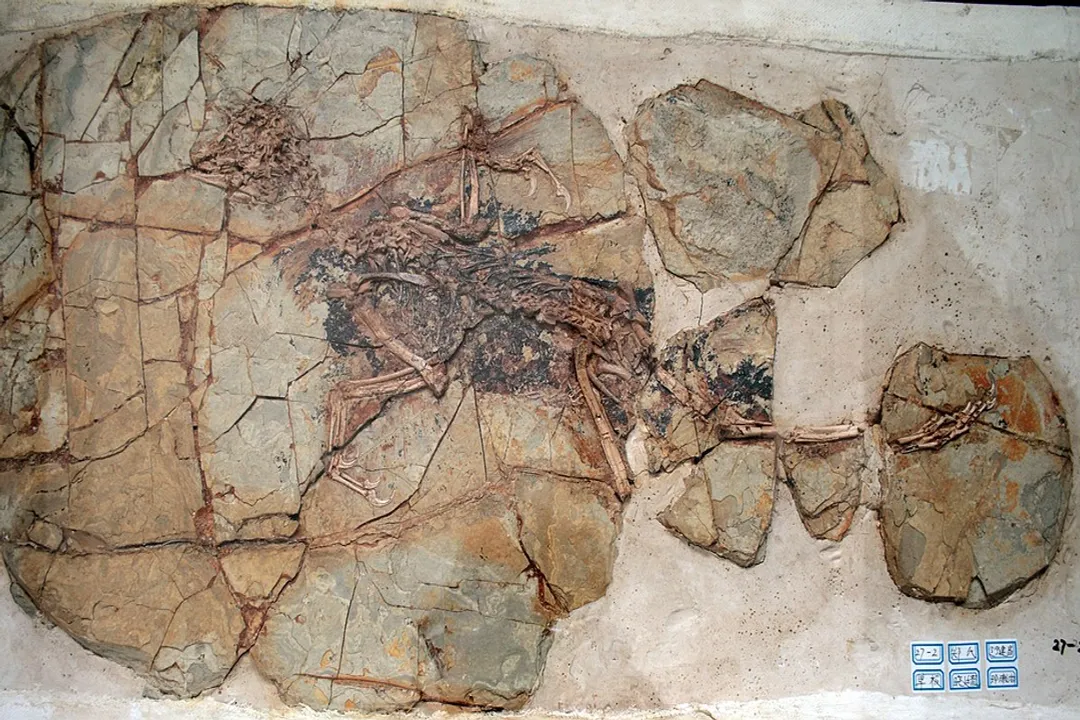
Although *Xiaotingia* possessed well-developed pennaceous feathers on its forelimbs—the stiff, interlocking type associated with modern flight—the associated anatomy suggests these feathers were not used for powered flight. Instead, the context of its overall morphology, particularly limb proportions, implies these advanced feathers were likely utilized for functions such as display behaviors or for maneuvering while on the ground. This functional interpretation helps paleontologists hypothesize about the ecological pressures driving feather evolution before the advent of sustained aerial locomotion.
Related Questions
In which geological formation were the remains of *Xiaotingia zhengi* recovered?To what epoch do the sedimentary rocks containing *Xiaotingia zhengi* date?What feature was evidenced on the forelimbs of *Xiaotingia* found at the Tiaojishan site?What specific term describes the extraordinary fossil preservation quality of the Tiaojishan Formation site?What structures are compared between *Xiaotingia* and *Archaeopteryx* to aid in resolving taxonomic placement?How does the age of *Xiaotingia* compare temporally to the *Archaeopteryx* fossils found in Solnhofen, Germany?What was the initial taxonomic classification assigned to *Xiaotingia* by researchers?Which specific location within the Tiaojishan Formation yielded fossils vital for understanding avian relatives in the Jurassic?What potential function, other than powered flight, is suggested for the pennaceous feathers of *Xiaotingia*?What environmental condition likely resulted in the exceptional preservation of soft tissues in the Tiaojishan Formation?