What physical oceanic features concentrate small fish and attract *H. platurus* aggregations?
Answer
Drift lines, foam, scum, and other marine debris lines
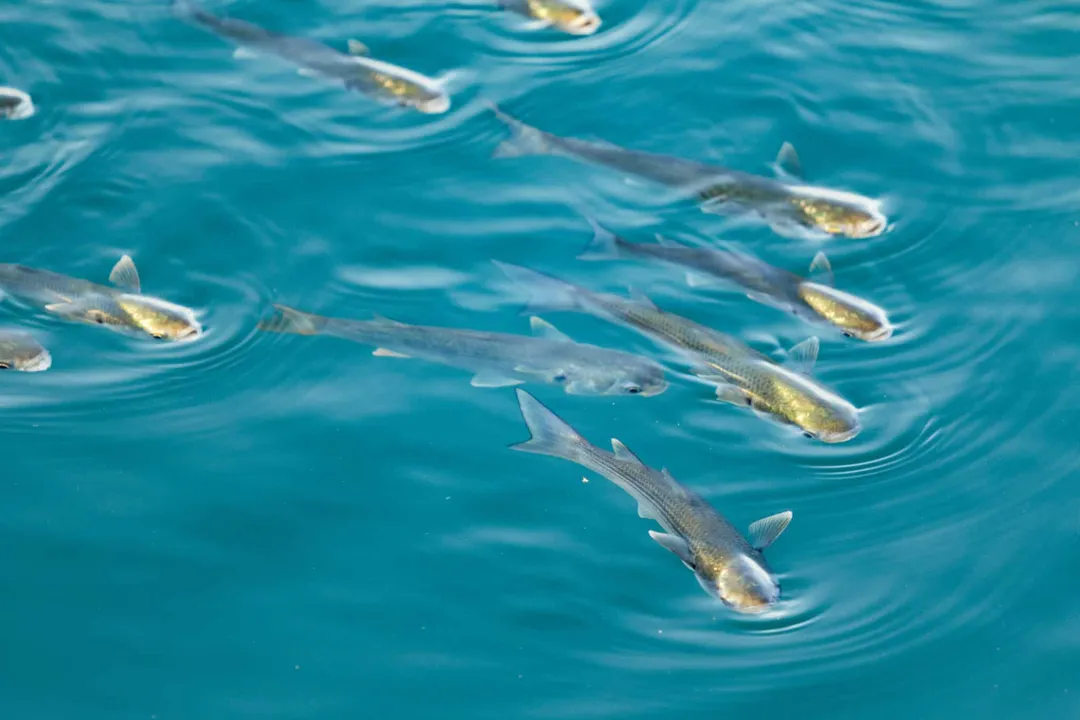
The association of the yellow-bellied sea snake with floating debris is fundamental to its feeding ecology. These drift lines, which consist of materials such as foam, scum, and assorted marine debris, act as natural aggregators, concentrating small, surface-oriented fish that seek cover or shade. These concentrated areas become recognized feeding grounds where thousands of snakes can gather, as seen in places like the Gulf of Panama. This reliance on current-driven pathways dictates where the snakes successfully forage and also likely facilitates finding conspecifics for mating in the vast open ocean.
Related Questions
What specialized feeding classification defines the yellow-bellied sea snake?Which small schooling fish are frequently cited components of the *Hydrophis platurus* diet?What strategy does the *H. platurus* employ near the water’s surface for feeding?Where are the specialized glands that excrete excess salt in *H. platurus* located?What unusual swimming ability helps the yellow-bellied sea snake maneuver fish before striking?What physical oceanic features concentrate small fish and attract *H. platurus* aggregations?What complex cocktail constitutes the highly potent venom of the yellow-bellied sea snake?Besides fish, what type of animal have captive yellow-bellied sea snakes been known to accept?How large are newborn yellow-bellied sea snakes when they are first capable of hunting?What physiological challenge results from the *H. platurus* consuming saltwater fish in the open ocean?Why is the potent venom's efficient use paramount for the pelagic hunter *H. platurus*?