Yellow Belly Ball Python Locations
The vibrant world of ball python morphs often leads keepers to seek out specific color and pattern variations that stand out in a collection. Among these desirable traits, the Yellow Belly consistently captures attention due to its distinctive bright underside and cleaner dorsal markings. While the term "locations" might suggest tracking down wild populations, for this specific morph, the discussion centers on where these selectively bred animals are acquired and the characteristics that define them as worthy additions to a captive collection. The pursuit of a high-quality Yellow Belly involves understanding what distinguishes a great example from a mediocre one, a nuance that comes from careful observation of its established traits.
# Defining Marks
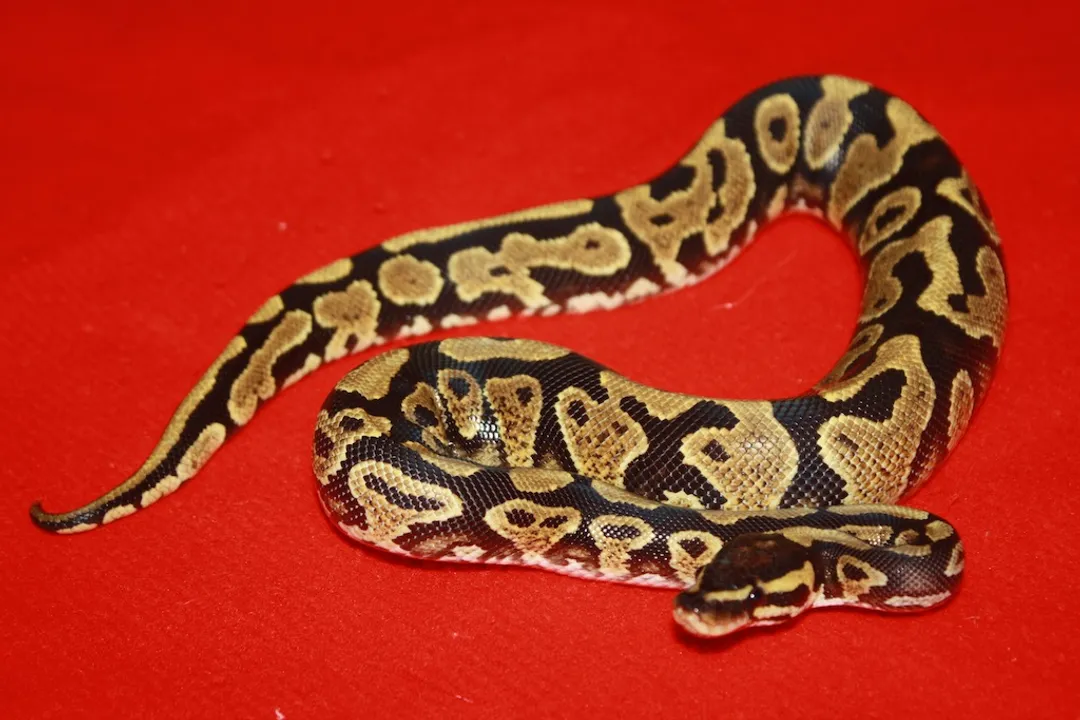
The core appeal of the Yellow Belly gene lies in the dramatic alteration it brings to the snake's underside and pattern definition. In a standard Yellow Belly ball python, one of the most immediate indicators is the bright yellow coloration on the belly scales, which is often a significant visual upgrade from the typical white or cream. This gene also tends to clean up the pattern along the flanks and back, resulting in sharper, more defined markings compared to a normal ball python.
When examining a Yellow Belly, keepers often look for the extent of this pattern reduction. Some examples may display cleaner side patterns, sometimes appearing almost "cleaner" overall. It is important to note that the Yellow Belly gene is co-dominant, meaning that an animal only needs one copy of the gene to express the trait, but two copies (a Super Yellow Belly) can produce an even more pronounced look, although identifying a Super in isolation can be difficult without lineage information.
One aspect where keeper opinions and breeder descriptions sometimes slightly diverge relates to the intensity of the yellow and the pattern break-up. For instance, some sources emphasize the clean separation between the dorsal markings and the lighter belly area. Breeders often showcase examples where the dark markings are significantly reduced or appear to "break up" more aggressively towards the lower flanks. This variability is often why breeders strive for the highest expression of the gene.
# Visual Comparison Table
To better illustrate the difference the gene imparts, one can observe how it interacts with the base coloration.
| Trait | Normal Ball Python | Yellow Belly Expression |
|---|---|---|
| Belly Color | Cream to White | Bright, often intense yellow |
| Side Pattern | Intricate, often smudged | Cleaner, more defined, reduced markings |
| Pattern Definition | Moderate | Sharper edges on dorsal saddles |
| Dominance | N/A | Co-dominant |
An interesting observation, which speaks to genetic expression rather than geographic origin, is how the Yellow Belly trait subtly enhances other morphs. If a snake carries a gene like Pastel, adding the Yellow Belly often brightens the yellows already present, making the overall animal appear more vibrant than a Pastel without the Yellow Belly gene.
# Gene Combinations
The Yellow Belly gene rarely exists in isolation in the pet trade; its true power is often demonstrated when it is combined with other visual traits. As a co-dominant gene, it pairs readily, and breeders frequently integrate it into complex "designer" morphs.
One of the most famous combinations involving the Yellow Belly is the Bumblebee morph, which is a combination of Spider, Pastel, and Yellow Belly. When you see a Bumblebee, the Spider gene provides the unique pattern distortion, the Pastel boosts the overall brightness, and the Yellow Belly contributes to the clean sides and bright yellow accents. A keeper looking at a Bumblebee might see a beautiful animal, but understanding the Yellow Belly's contribution is key to appreciating why some Bumblebees are more visually striking than others.
Another common pairing involves the Fire gene. A Fire Ball Python is already known for having brighter yellows and reduced black pigment. When Yellow Belly is introduced, the resulting snake often has an exceptionally clean appearance, sometimes referred to as a "Fire Yellow Belly" or similar derivative. The interaction is synergistic, where the genes amplify each other's best qualities—the Yellow Belly clarifies the pattern, and the Fire brightens the base color.
From a genetics standpoint, understanding the dominance is key for planning breeding projects. If you are breeding a Yellow Belly to a normal ball python, you expect a roughly 50/50 split between normal offspring and single-gene Yellow Bellies. If you pair two known Yellow Bellies, you risk producing Super Yellow Bellies (homozygous) alongside single-gene ones, though the difference between the two can be subtle without knowing the pedigree.
# Finding Acquisition Points
When discussing "locations" for Yellow Belly Ball Pythons, we are almost exclusively talking about established captive breeding operations rather than finding them in their native West African habitats. Ball pythons kept as pets originate from captive-bred stock, ensuring ethical sourcing and a history of consistent care.
The primary "locations" for acquiring a quality Yellow Belly are reputable reptile breeders, specialized online morph retailers, and sometimes large reptile expos. When purchasing from a breeder, especially when targeting a specific gene combination, inquiring about the provenance is essential. A breeder who can definitively trace the lineage of their Yellow Bellies back several generations, confirming they have always shown strong expression, offers more assurance than one who simply knows the parents were visual Yellow Bellies.
Online purchasing platforms, including dedicated reptile sales sites and social media groups dedicated to ball python enthusiasts, are very common avenues for finding these snakes.
When shopping online, it is highly recommended to request multiple, high-resolution photos—specifically underside shots—to confirm the belly pattern quality before committing to a purchase. A seller who is hesitant to provide clear belly views might be obscuring a pattern that is heavily smudged or carries aberrant markings, which diminishes the value of the Yellow Belly trait.
For those interested in the lineage, some larger online retailers or established breeders maintain detailed inventories that allow you to search for specific morphs currently available for sale. This provides a centralized point of "location" for comparison shopping based on size, sex, and price point.
# Keeper Insight
While the Yellow Belly gene primarily impacts aesthetics, its presence can sometimes influence the perception of the snake's overall look, which factors into keeper satisfaction. I have often noticed in community discussions that Yellow Bellies, particularly those with strong pattern reduction, are sometimes perceived as being slightly more active or bolder than their standard counterparts, though this is anecdotal and temperament is mostly individual. A strong suggestion for any new Yellow Belly owner, especially if they bought a juvenile, is to document the snake’s appearance early on. As the snake grows, the yellow coloration may deepen or change slightly, particularly on a lighter-bodied combo like a Pastel Yellow Belly. Taking clear, side-profile and underside photos at six-month intervals can create a personal visual timeline of how the gene matures on your specific animal, which is far more satisfying than relying solely on the breeder’s initial photograph.
Another valuable takeaway when sourcing Yellow Bellies relates to sexing and size. Since Yellow Bellies are popular for breeding projects, many online sellers will offer both males and females, often at different price points depending on current market demand for breeding stock. Ensure you verify the sexing method used by the seller, whether it's visual inspection or probing, as accuracy here is critical if you plan to breed them down the road. A well-documented, strong Yellow Belly morph, regardless of whether it is single-gene or part of a complex combination, represents a beautiful and genetically sound foundation for any collection.
#Videos
How to Identify Yellowbelly in Ball Pythons! - YouTube
Unlocking the potential of the 'Yellowbelly' ball python morph!
Related Questions
#Citations
How to Identify Yellowbelly in Ball Pythons! - YouTube
Yellow Belly - Morph List - World of Ball Pythons
Yellow Belly Ball Python Description and Photos - Northwest Reptiles
Yellowbelly - Ball-Pythons.net
Which ball python should I get? Bumblebee or Yellow Belly? - Reddit
Identifying Ball Python Morphs - Facebook
yellow belly ball python morph - CB Reptile