Yellow Belly Ball Python Diet
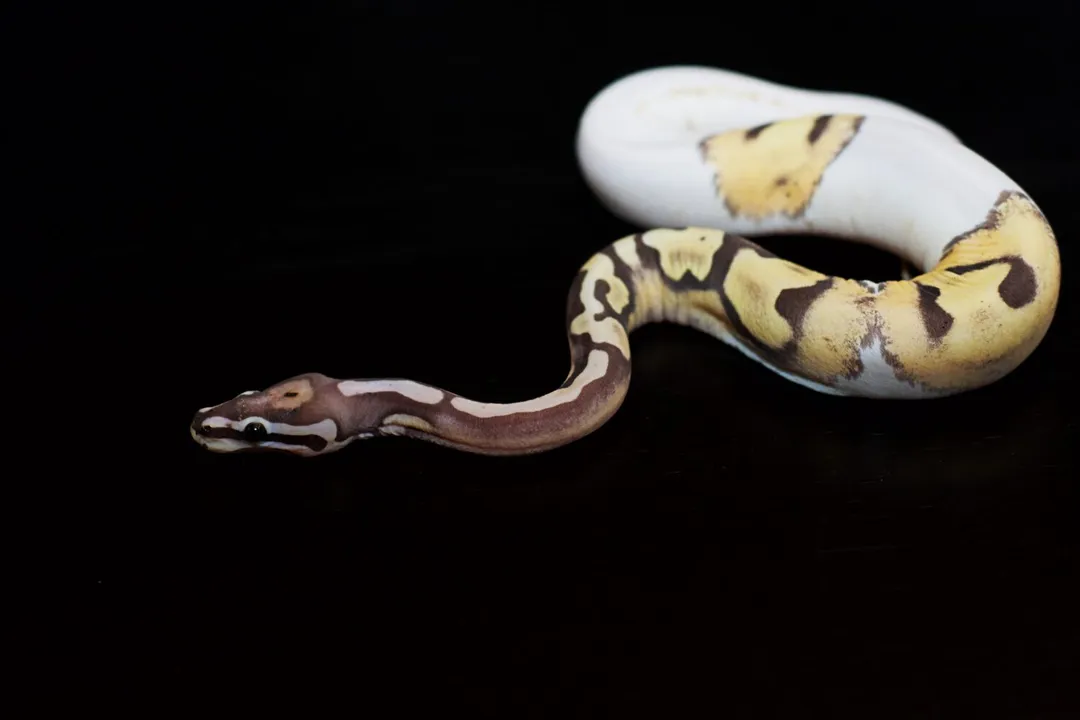
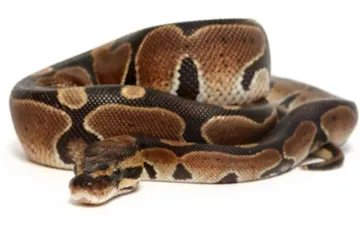
Caring for a vibrant Yellow Belly Ball Python means understanding that while their stunning pattern is unique, their fundamental dietary needs are identical to every other Python regius in captivity. These snakes are obligate carnivores, meaning they are built to consume whole animals to acquire the complete spectrum of nutrition their bodies require. In the wild, their diet can include small rodents, birds, bats, and even small woodpeckers, depending on their location and sex, with females typically consuming more ground-dwelling prey like mice and rats, and males potentially hunting more arboreal prey like birds. For keepers, however, the focus narrows primarily to readily available, nutritionally balanced, whole-prey items like mice and rats.
# Nutritional Foundation
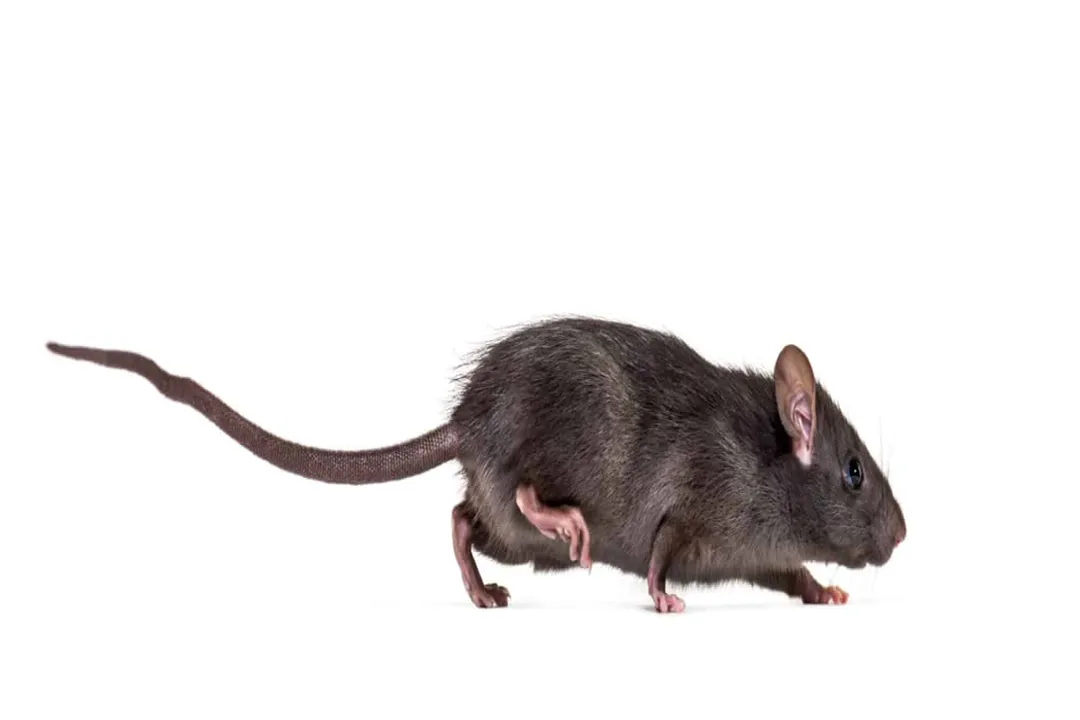
The key principle for successful captive feeding is providing whole prey. This concept is crucial because snakes rely on every component of their meal—the fur or feathers, the muscle, the organs, and the bones—to fulfill their nutritional requirements. Unlike herbivores that need varied plant matter or frequent small meals, a ball python's system adapts to infrequent, complete meals. When a ball python consumes food, its internal organs, including the stomach, can increase in size by as much as 40%, and blood flow to the digestive system ramps up significantly to process the meal. This physiological event requires recovery time, which is why overfeeding or feeding too frequently is a genuine concern in the pet trade.
# Prey Selection and Size
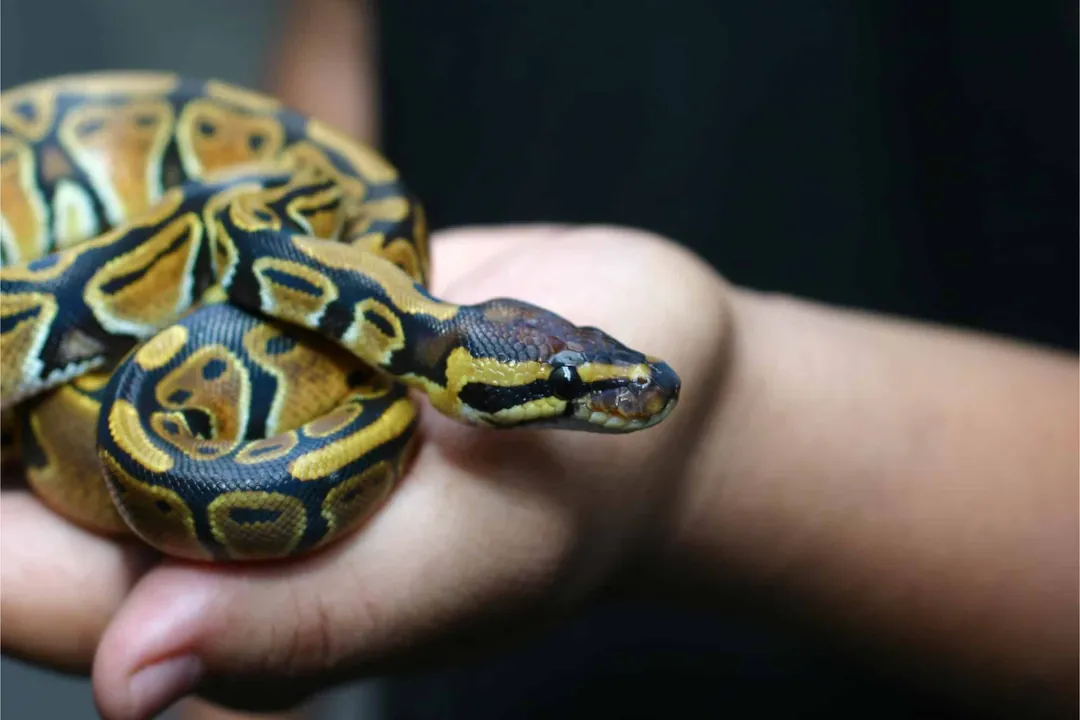
Selecting the correct prey size is perhaps the most critical aspect of feeding, directly impacting digestion and preventing the epidemic of obesity seen in many captive snakes. There is a strong consensus among experienced keepers on size guidelines, though they are phrased in a couple of ways. The primary rule is to ensure the prey item is no wider than one to one-and-a-half times the snake's widest point. A helpful quantitative guideline suggests the prey item should total approximately 10% to 15% of your snake's current body weight. For instance, if your Pastel Yellow Belly weighs in at a healthy 400 grams, you should target a rodent weighing between 40 and 60 grams.
While mice and rats are the staples, offering a diversity of prey items—such as African soft-furred rats, gerbils, chicks, or quail chicks—is highly beneficial. This variation helps ensure a broader spectrum of nutrients than a single prey type can offer. If you choose to introduce new prey items, do so gradually; a snake might require several offerings before accepting something novel. Furthermore, remember that the nutritional content of prey can vary; rats are often cited as being particularly nutritious for ball pythons compared to other options.
If you are starting with a hatchling, which typically measures around 10 to 12 inches, you must begin with suitably small prey, often pinky mice or rat pups. As the snake grows, you must adjust the prey size accordingly. A good practice is to keep a simple log of your snake’s weight and the size of the meal it consumed, along with the date. For example, if a 500-gram juvenile normally takes a 50-gram meal every two weeks, and you decide to offer a slightly smaller meal of 35 grams because you know it’s close to a scheduled weight check, you might adjust the interval slightly shorter next time—perhaps to 12 or 13 days—to maintain consistent nutritional intake without pushing towards obesity. Keeping a record like this lets you account for a meal being slightly smaller or larger than the 10-15% target and adjust the next feeding interval proactively, rather than waiting for weight loss or gain to signal a problem.
# Live Versus Frozen-Thawed
The debate between feeding live or frozen/thawed (F/T) prey is common, but current husbandry best practices strongly favor F/T prey. Frozen-thawed prey is safer because it removes the risk of injury to your snake. Live rodents, especially larger ones, can fight back and inflict serious bites or scratches that can become infected or, in worst-case scenarios, cause fatal injuries to the snake. Furthermore, keeping live prey in an enclosure for an extended period subjects that animal to significant stress and suffering as it awaits being eaten. For snakes with known issues, like spider morphs exhibiting "wobble," F/T prey is explicitly stated as the only safe option, as a moving target is too difficult for them to strike accurately. If your snake absolutely refuses F/T food, it is acceptable to offer live prey, but it must be strictly supervised, and you must remove the rodent immediately if the snake shows no interest within 15 to 30 minutes.
# Preparation and Presentation
Proper preparation of F/T rodents is essential for both safety and palatability. Never use a microwave to thaw prey, as this can cause the rodent to heat unevenly, potentially resulting in internal burning or even an explosion inside the microwave. The recommended method involves thawing the prey slowly in the refrigerator overnight, followed by a quick warming phase. About 15 to 30 minutes before feeding, place the rodent in a sealed, BPA-free plastic bag (like a Ziploc) and submerge it in warm, not boiling, water. The goal is to reach a body temperature similar to that of a living mammal, around 98 to 100°F, which you can check with a temperature gun. It is imperative that the prey is thawed completely throughout; a partially frozen center can cause refusal or digestive upset. If your snake rejects a meal, that prey item must be discarded; never refreeze thawed food, as this encourages the growth of harmful bacteria.
A significant point of husbandry discussion revolves around where you feed your snake. While some keepers move their snake to a separate container for feeding, the scientifically informed approach advises feeding inside the enclosure. Removing a ball python from its habitat for feeding can cause stress, potentially leading to regurgitation or causing the snake to associate handling with food, which can lead to "cage aggression" later. If you are concerned about being mistaken for food when reaching into the enclosure, the solution is routine training: use a hook or a paper towel roll to gently tap or alert the snake before you reach in for handling. This conditions them to understand the difference between a feeding cue and a handling cue. Another crucial timing rule is to avoid handling your ball python for at least two days after it has successfully eaten a meal, to allow for undisturbed digestion.
# Schedule Management and Health Checks
Ball pythons possess a slower metabolism than many other snake species and do not require weekly feedings as older guides often suggested. Their wild counterparts eat opportunistically, perhaps only ten times per year. A consistent feeding schedule in captivity offers security, but true health management requires flexibility. Juveniles, being in their primary growth phase, need more frequent meals, often every 5 to 10 days, depending on their current weight. As they mature, the intervals must lengthen to prevent the common captive issue of obesity.
| Life Stage (Approximate Weight) | Recommended Feeding Interval |
|---|---|
| Hatchling (Under 100g) | Every 4–5 days |
| Juvenile (Up to 500g) | Every 7–14 days |
| Subadult (500g – 1000g) | Every 10–21 days |
| Adult (Over 1000g) | Every 2 to 6 weeks |
If you notice your snake refusing food, do not panic immediately; skipping meals (fasting) is normal, particularly for males during the spring breeding season or as temperatures fluctuate. However, responsible keepers use weight monitoring as a non-stressful health check. If your snake loses more than 10% of its total body weight, that warrants concern and a husbandry check.
When addressing a hunger strike, it’s helpful to run through a basic diagnostic checklist:
- Temperature Gradient: Are the hot spot (88–96°F) and cool side (78–80°F) correct, ensuring digestion can occur?
- Humidity: Is humidity maintained appropriately, ideally between 55% and 60%? Low humidity can prompt soaking behavior or impact shedding, causing stress.
- Prey Temperature/Size: Was the prey item presented at the correct body temperature (98-100°F) and was the size appropriate (10-15% of body weight)?
- Enclosure Disturbance: Have you handled the snake within the last 48 hours, or has there been recent major tank rearrangement?
- Stressors: Does the snake have enough appropriately sized hides on both the warm and cool sides, allowing it to feel secure?
If all husbandry parameters are confirmed to be correct and the snake is not significantly dropping weight, allowing the snake to fast for a couple of weeks before offering a slightly smaller meal is often the best course of action.
# Hydration and Supplemental Care
Water is non-negotiable, regardless of humidity levels. Your Yellow Belly needs constant access to a large water dish. This allows for hydration and the ability to soak if needed, though frequent soaking can indicate issues like low humidity or mites that need investigation. It is vital to use dechlorinated tap water, filtered, spring, or reverse osmosis water. You must explicitly avoid using distilled water. While distilled water is sometimes used for misting because it prevents mineral residue buildup inside misters, when ingested, the lack of dissolved minerals creates an osmotic imbalance, forcing the snake’s body to pull necessary electrolytes and minerals from its own system, which can paradoxically lead to dehydration even if the snake is drinking.
While whole prey should provide adequate nutrition, the commercial rodents available to pet owners may sometimes lack the full nutrient profile of wild prey, potentially being deficient in elements like Vitamin D. To compensate for these potential gaps, experienced keepers recommend occasionally dusting the thawed prey item with a high-quality calcium and multivitamin supplement before offering it. When using supplements, ensure they are fresh, as components degrade; for instance, supplements should generally be replaced every six months. This small, periodic step supports long-term health and helps your beautiful Yellow Belly thrive for the many decades it can remain a companion, as many can live past 35 years in good captivity.
Related Questions
#Citations
Ball Python Feeding Tips | ReptiFiles' Ball Python Care Guide
Ball Python Complete Food Guide - Zen Habitats
Ball Python Feeding: Chart by Size, Diet, and Things to Avoid
Ball Python Care Sheet | Diet | Habitat | Temperature - CB Reptile