Wahoo Fish Evolution
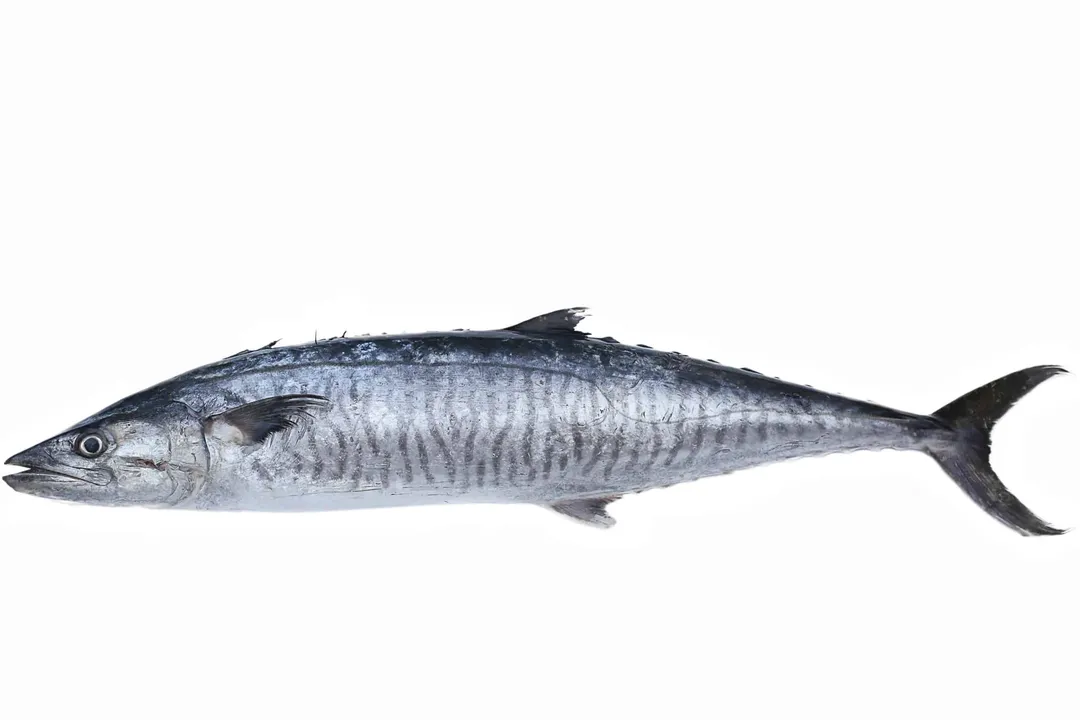
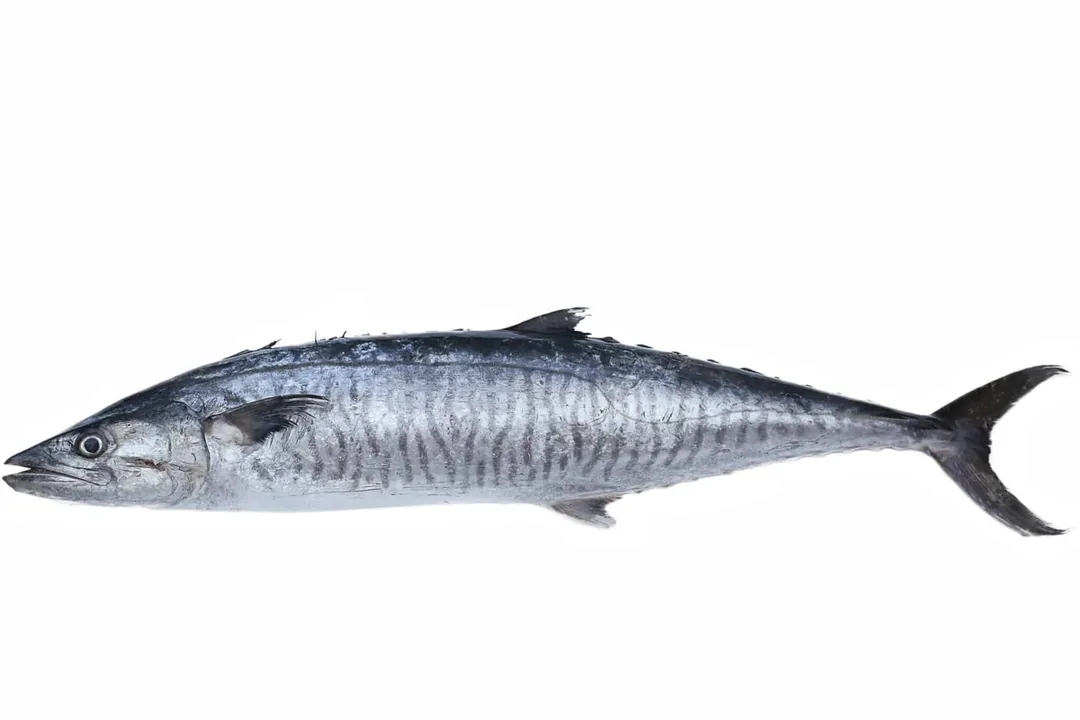
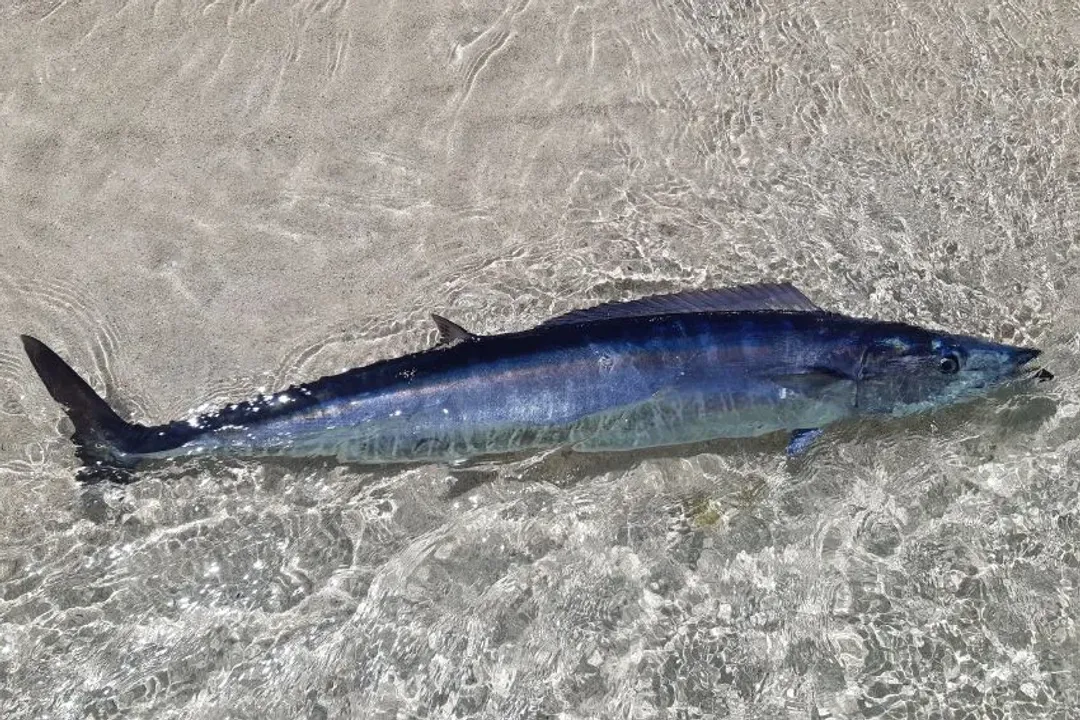
The Wahoo is instantly recognizable to those who encounter it in the open ocean, a torpedo of muscle known for blurring the line between fish and projectile. Averaging around 30 to 40 pounds, this member of the mackerel and tuna family (Scombridae) is characterized by its elongated, slender body, built with singular focus for speed in the pelagic zone. [1][3] Its coloration—a stunning, metallic dark blue or green dorsally fading to silver flanks—serves as effective camouflage in the sun-dappled open water where it reigns as one of the ocean's fastest inhabitants. [1][10] Understanding the Wahoo's place in the world requires looking at the pressures that sculpted this incredible, high-performance predator over time.
# Scombrid Ties
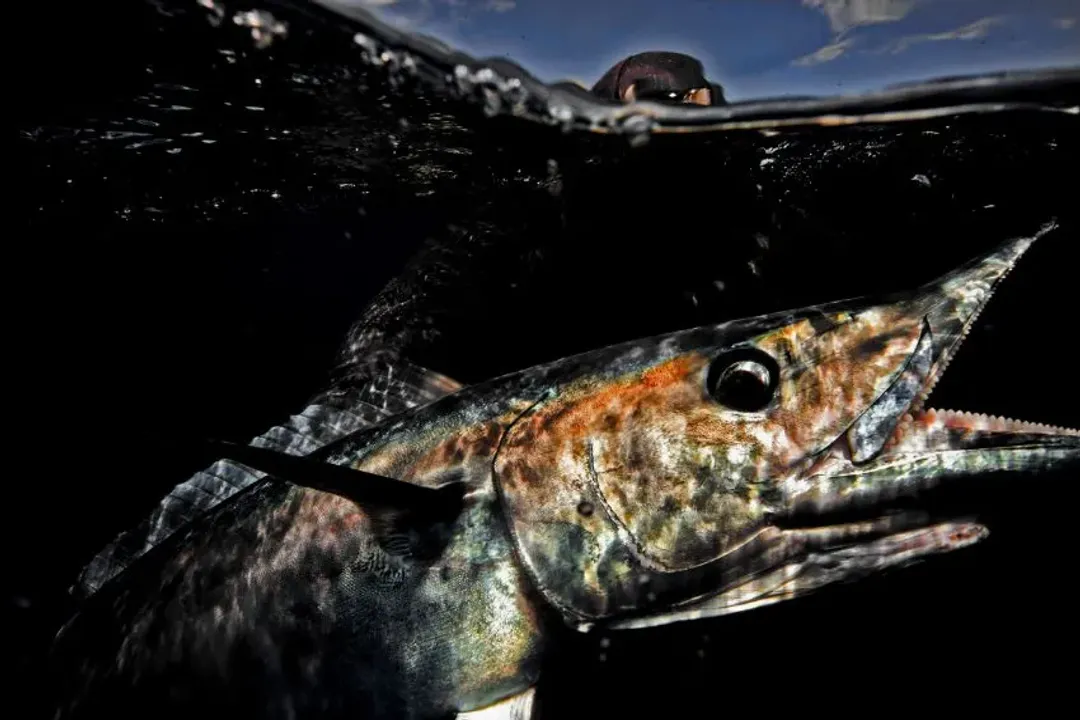
The evolutionary story of the Wahoo, scientifically named Acanthocybium solandri, places it squarely within the Scombridae family. [9] This grouping brings it into association with speed demons like the true tunas and the various mackerel species. [1] Within this family, different branches evolved specialized traits based on niche requirements. While some relatives developed the bulky, robust structure of a Bluefin tuna for sustained pursuit across vast distances, the Wahoo appears to have dedicated its lineage almost entirely to short, explosive bursts of incredible velocity. [3] The shared ancestry provides a baseline of features, such as the crescent-shaped caudal fin and finlets along the back and belly, which are characteristic adaptations for reducing drag and increasing propulsion efficiency in open water swimmers. [1]
# Body Design
The morphology of the Wahoo is perhaps the clearest physical record of its evolutionary path toward supreme speed. Its body is exceptionally long and narrow, presenting a minimal profile to the water. This fusiform shape drastically reduces drag, a critical factor when achieving speeds that have been reliably clocked up to 48 miles per hour in short sprints. [3] Examining the skeletal structure, as osteological studies reveal, shows a configuration optimized not just for swimming, but for sudden acceleration and sharp turns necessary to intercept fast-moving prey in the water column. [7]
If we compare the Wahoo to a more generalized Scombrid, like a king mackerel, the difference is striking. The King Mackerel retains a somewhat sturdier, more conventional scombrid profile, whereas the Wahoo’s form is an extreme expression of streamlined necessity. This extreme dedication to hydrodynamics suggests that the primary selective pressure throughout its history involved out-pacing everything else in its environment, whether for hunting or perhaps for rapid escape from larger, slower predators that patrol the deeper zones. [1] Their formidable, sharp teeth are another clue; they are designed for quickly slicing and securing slippery prey like smaller fish and squid, rather than the sustained grappling typical of some other large ocean predators. [1]
An interesting note for those observing Wahoo populations across different geographies is how subtle environmental pressures can lead to distinct, geographically localized adaptations, even within a species as migratory as this one. For instance, while their basic design is universal, regional differences in average body size or tooth wear might point toward variations in dominant prey availability, suggesting ongoing, localized selection pressures acting on an already highly evolved form. [4]
# Oceanic Genetics
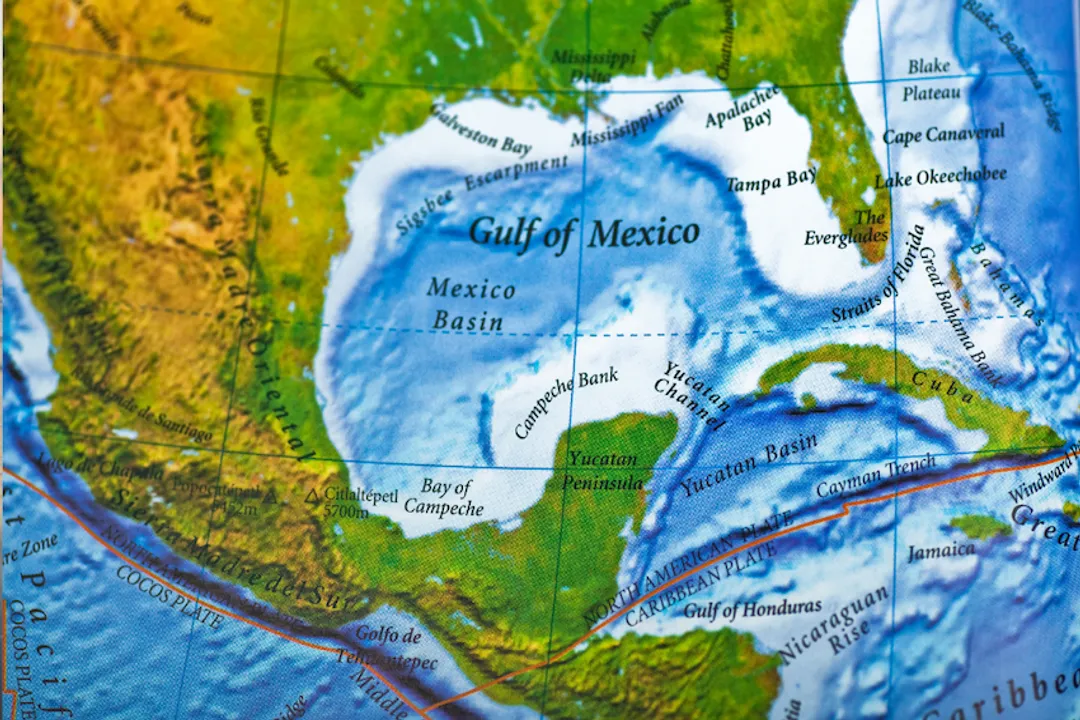
Looking at the Wahoo’s distribution reveals a second layer of evolutionary understanding: its recent population structure. Wahoo inhabit tropical and subtropical waters worldwide, an expanse that suggests wide dispersal capabilities. [1] However, genetic analyses reveal that despite this apparent connectivity, distinct population groupings exist, particularly when comparing fish from the Western Central Atlantic versus those in the Central Pacific Oceans. [9]
Population genetic studies indicate that Wahoo in the Atlantic and Pacific are genetically distinct, suggesting that deep ocean basins or historic barriers have effectively separated these groups for long enough to allow genetic divergence to occur. [9] This partitioning is not a sign of ancient evolutionary splits but rather a snapshot of ongoing isolation and adaptation within the last few millennia. These findings imply that the species has evolved dispersal mechanisms robust enough to colonize massive ocean basins, but not so overwhelming as to completely homogenize the gene pools once established in separate areas. [9] For fisheries management, this genetic structuring is important; treating Wahoo as a single global stock would ignore the reality that local populations are likely evolving somewhat independently, meaning localized overfishing could impact genetically distinct groups unequally. [9]
# Longevity Growth
The lifespan of the Wahoo also provides insight into the evolutionary strategy it employs for survival and propagation. Wahoo are relatively long-lived for a highly active predator, potentially reaching up to 10 to 14 years of age. [4] This longevity suggests that successful individuals invest heavily in survival rather than the "live fast, die young" reproductive strategy seen in some shorter-lived fish. Maturation rates are tied to seasonal temperature fluctuations, with spawning generally occurring during the warmer months in offshore areas of the open ocean. [4]
This combination of long life and specialized, high-energy predation hints at a high metabolic cost for existence. Their incredible speed requires continuous high energy input. In an ecological sense, the evolution of such a successful, high-performance machine is balanced by the need to feed consistently and avoid mortality for many years to pass on those advantageous genes. If feeding grounds become unreliable—perhaps due to shifts in prey distribution driven by climate change—a species adapted to such a demanding, high-octane lifestyle would face significant challenges that a more generalized, lower-metabolism predator might weather more easily.
# Hunting Niche
The Wahoo's entire physical makeup supports its role as a high-speed, open-water ambush predator. Its diet consists mainly of other pelagic fish and squid, prey that are themselves adapted for speed and evasion. [1] The evolutionary success of the Wahoo is directly tied to its ability to capture these fast-moving targets consistently. Their vision must be exceptionally well-suited for rapid target acquisition in the shifting light of the epipelagic zone. The transition from juvenile to adult likely involves adapting hunting techniques as they move from smaller schooling prey to larger individual targets, a classic developmental plasticity that aids species persistence across varied ecological scenarios. [4] The Wahoo does not seem to rely on complex schooling behavior for defense or hunting, as is common among some other Scombrids; its defense is purely speed and agility. [10]
This specialization suggests an evolutionary arms race where the Wahoo’s ancestors were selected for greater speed, which then drove their prey to evolve better evasive maneuvers, perpetuating a cycle of escalating performance in the open ocean ecosystem. The final form we see today is a product of this intense, continuous selective pressure in the vast, featureless environment of the open sea.
Related Questions
#Citations
Wahoo Fish - Acanthocybium solandri - A-Z Animals
The osteology and relationships of the wahoo (Acanthocybium ...
Wahoo - The Speed Demon Of The Ocean - Alchemy.gr
Life History of a Fish: Wahoo - BaitYourHook
A review of the biology, stock structure, fisheries and status of wahoo ...
Rapid growth of wahoo (Acanthocybium solandri) in the Coral Sea ...
The osteology and relationships of the wahoo (Acanthocybium ...
"Population Genetic and Phylogeographic Structure of Wahoo, <i ...
(PDF) Population genetic and phylogeographic structure of wahoo ...
Wahoo - Texas Saltwater Fishing Magazine