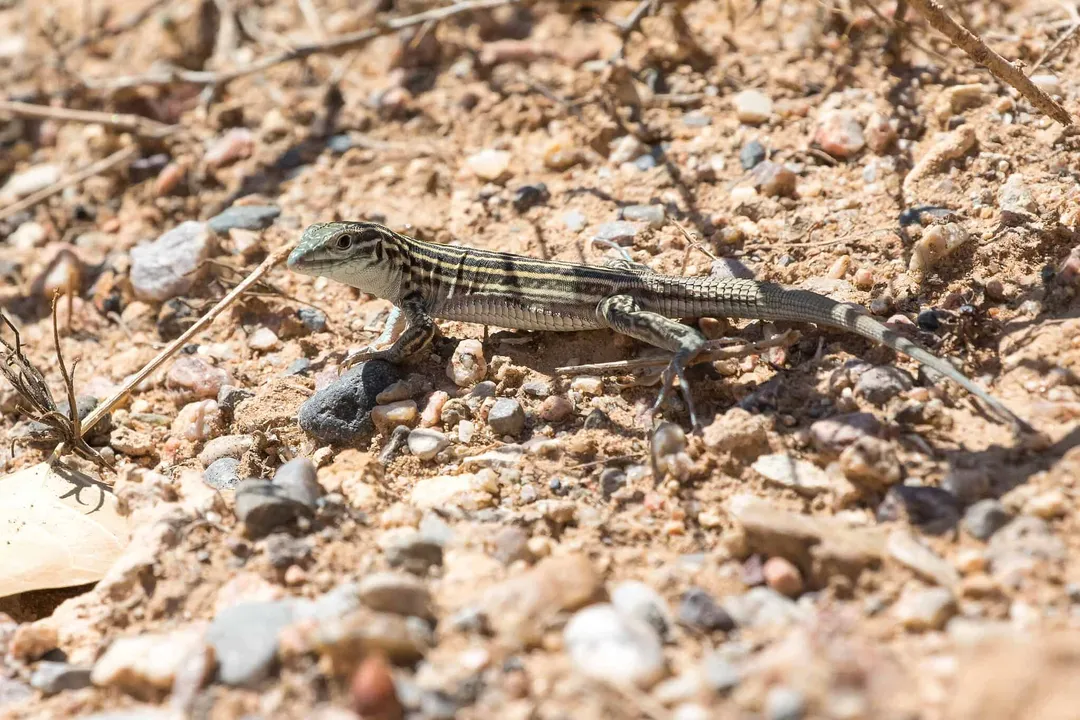
What inherent conservation risk is linked to the asexual, clonal reproduction strategy of the *A. uniparens* population?
Potential simultaneous jeopardy from novel biological threats or rapid environmental shifts
While asexual reproduction via parthenogenesis allows for efficient colonization, it carries a significant, intrinsic vulnerability for the resulting population of *A. uniparens*. Because these lizards are essentially genetic clones of their mothers, they share almost identical genetic makeup. This uniformity means that if a novel biological threat, such as a specific disease to which they have no resistance, or a rapid environmental change like accelerated climate change, emerges, the entire all-female population could be jeopardized simultaneously. In contrast, sexually reproducing species benefit from genetic diversity, which provides a buffer against such widespread catastrophic threats.