What immediate consequence resulted from breeders intensely seeking the rare recessive white coat gene?
Answer
A severe genetic bottleneck requiring inbreeding.
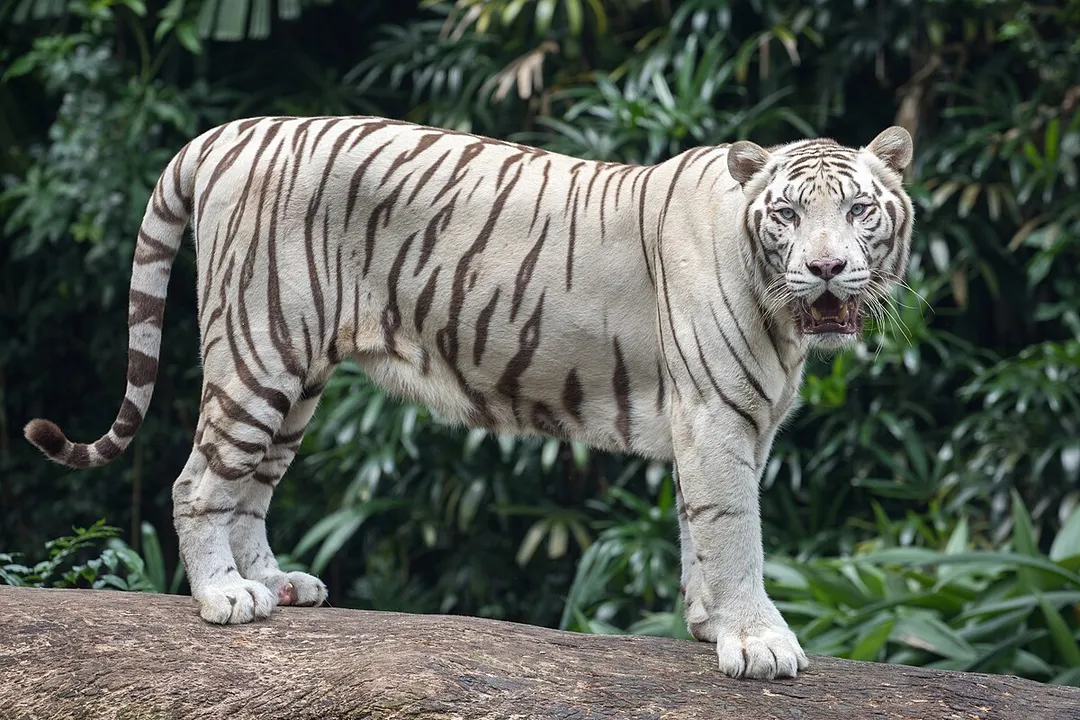
Because the desired white coat trait is both rare and recessive, the pool of available animals possessing or carrying the necessary genes to produce white cubs became exceptionally small in captive settings. To ensure the combination of two recessive alleles occurred repeatedly to achieve the desired aesthetic, breeders were compelled to engage in intensive and frequent breeding between closely related individuals. This practice, known as inbreeding, was necessary to maintain the desired visual characteristic but resulted in a severe genetic bottleneck, drastically limiting genetic diversity within the captive white tiger population.
Related Questions
What classification describes white tigers relative to Panthera tigris tigris?What type of genetic trait governs the striking lack of orange pigmentation in white tigers?Which specific gene is identified as responsible for regulating pheomelanin production in white tigers?The SLC45A2 gene mutation primarily blocks the full development of which pigment in white tigers?How does natural selection affect the survival of the white coat trait in wild habitats?From which historical region did almost all reports of wild white tigers originate?What process primarily caused the frequency of the white coat gene to increase beyond its natural equilibrium?What immediate consequence resulted from breeders intensely seeking the rare recessive white coat gene?Health defects like strabismus in captive white tigers are caused by what underlying issue?Which specific health ailment is listed among the documented defects arising from intensive inbreeding in white tigers?