White Catfish Evolution
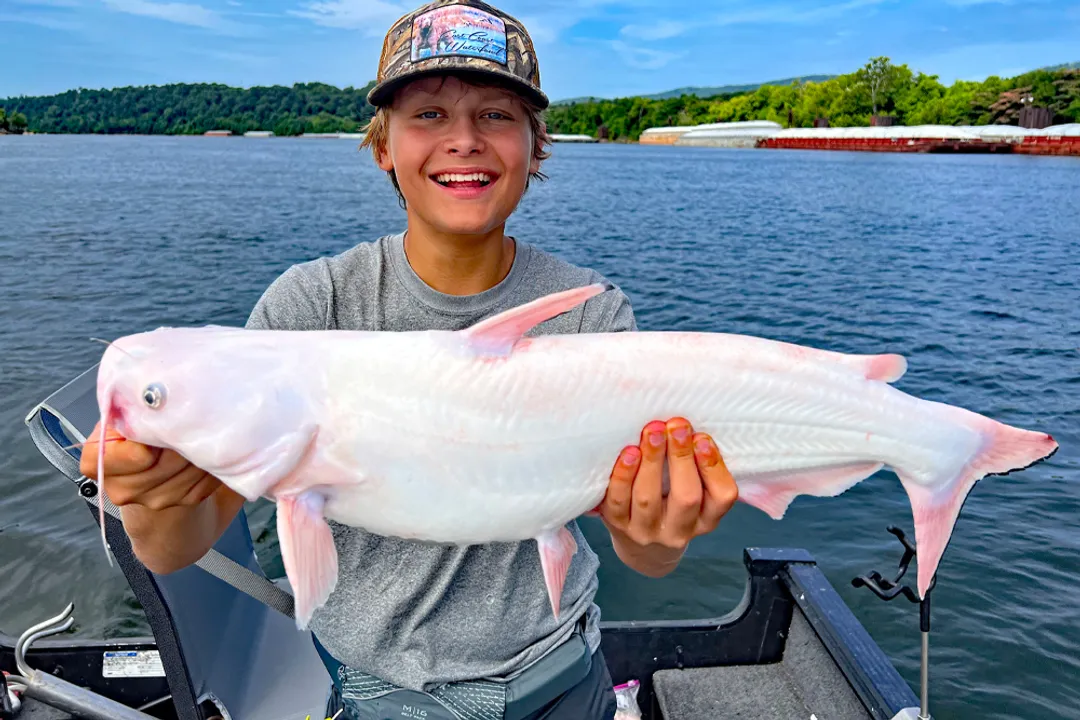
The lineage of the White Catfish offers a compelling snapshot of diversification within the North American freshwater fish fauna. Although the term "white catfish" might conjure images of simple color variation—like the rare, all-white (leucistic) individuals sometimes observed in other species such as the Blue Catfish—the story here is rooted much deeper, within the very structure of its scientific classification and its ongoing ecological interactions with close relatives.
The species we commonly refer to as the White Catfish belongs to the family Ictaluridae, a group known for its diversification across North American waters. Scientifically, the White Catfish is designated as Ameiurus catus. This classification is significant because it places it in the genus Ameiurus, distinguishing it from the closely associated, and often better-known, Ictalurus genus, which includes the Channel Catfish (Ictalurus punctatus). Historically, Ameiurus catus has also been known by synonyms such as Ictalurus catus or identified as the White Bullhead. Understanding this taxonomy is the first step toward tracing its evolutionary path—a path defined by the split between these closely related genera, marked by adaptations reflected in subtle physical traits.
# Ictalurid Ancestry
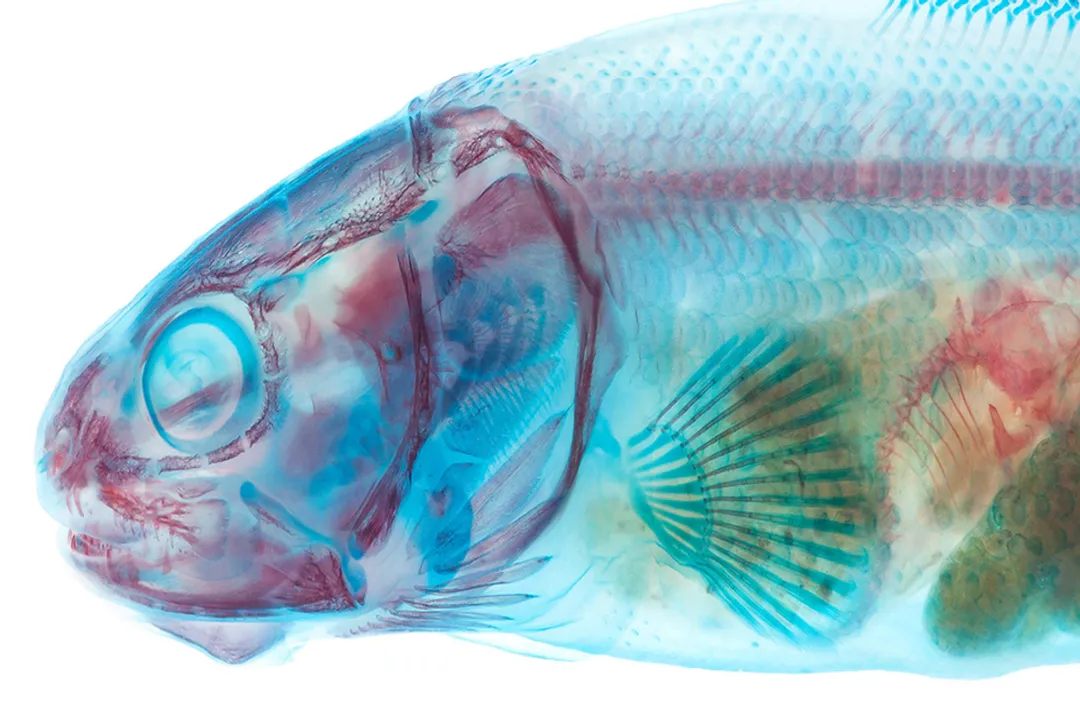
Catfishes of the family Ictaluridae represent a successful radiation in freshwater environments. The evolutionary path of the White Catfish, Ameiurus catus, is best understood when compared directly to its near relatives, which share a common, though distant, ancestry. The Florida Museum of Natural History data identifies several key members of this extended family that share morphological comparisons with A. catus: the Channel Catfish (Ictalurus punctatus), the Headwater Catfish (I. lupus), the Yaqui Catfish (I. pricei), and the Blue Catfish (I. furcatus).
These species are distinguished by quantifiable physical characters that arose through speciation events following their divergence from a common ancestor. For instance, A. catus possesses a moderately forked caudal (tail) fin, a shorter anal fin base, and typically 22 to 25 rays in that fin. In contrast, the Blue Catfish has a straight-edged anal fin, while Channel, Headwater, and Yaqui Catfish generally exhibit a more deeply forked caudal fin, often paired with dark spots on a lighter body. These morphological divergences—changes in fin structure, ray count, and body patterning—are the outward manifestations of genetic isolation and adaptation to specific environmental pressures over vast stretches of time that separated the Ameiurus and Ictalurus groups.
The physical traits used to differentiate these species today are not arbitrary; they reflect ancient evolutionary pressures. Considering that A. catus is placed in Ameiurus while I. punctatus is in Ictalurus, these morphological cues, such as the degree of caudal fin forking, likely trace back to the speciation event that initially separated these two genera, long before recent introductions played out in places like the Hudson River. This deep separation suggests that their ecological niches were distinct enough in the past to maintain genetic boundaries, even if human activity has recently forced them into direct competition.
# Native Range Shaping
The native distribution of Ameiurus catus is geographically restricted compared to some of its cousins, suggesting evolutionary adaptation to specific regional conditions. Its indigenous range covers Atlantic and Gulf Slope drainages, extending from the lower Hudson River in New York down to the Pascagoula River in Mississippi, and south into peninsular Florida's Peace River drainage. This confinement to Eastern United States coastal drainages implies an evolutionary history tailored to those specific freshwater and estuarine environments.
Evidence supports this environmental specialization. White Catfish tolerate a wide range of temperatures, from near freezing in winter to in summer, and can handle brackish water with salinities up to about 14 Practical Salinity Units (PSU). Their habitat preference leans toward sluggish, mud-bottomed pools, backwaters, and open channels in rivers and lakes. Such conditions often characterize the lower coastal plains where they evolved. This physiological tolerance likely permitted their natural migration into certain river systems, such as the Connecticut rivers, due to their salt tolerance.
# Recent Competition Dynamics
While the ancient evolutionary events separated Ameiurus catus from the Ictalurus group, more contemporary ecological dynamics reveal potential pressures that shape the species' short-term future, which can influence long-term evolution. In areas like the Hudson River estuary, the native White Catfish (A. catus) is now coexisting with the established Channel Catfish (Ictalurus punctatus), a species widely introduced outside its native range.
Studies in the Hudson River show a concerning trend: the Channel Catfish is becoming more abundant, while the native White Catfish appears to be declining coincident with this establishment. This overlap is not just spatial; it involves resource use. While White Catfish tend to favor offshore shoal habitats, Channel Catfish show a shift, becoming more abundant in nearshore and tributary mouth habitats in downstream reaches, indicating a spatial segregation based on opportunity. However, the flexibility of the invading species seems to be an advantage. The Channel Catfish can thrive across a broader range of environmental conditions compared to the White Catfish, which may facilitate its successful establishment across numerous rivers in the northeastern U.S..
Furthermore, the difference in growth rates between these two contemporaries in the Hudson River is notable. White Catfish grew relatively slowly in that system compared to the Channel Catfish, only reaching a quality length () by age 6, whereas Channel Catfish reached a comparable quality length () by age 5. Slow growth in the native species, when faced with a faster-growing, resource-flexible competitor, presents a clear ecological challenge that underscores the evolutionary success of the Ictalurus lineage in maintaining a competitive edge, at least in systems where they have been introduced.
The history of introductions for A. catus itself provides a second angle on its adaptability, albeit one driven by human action rather than natural selection. Intentionally stocked across the U.S. for food and sport, the species became the basis of a major commercial fishery in the Sacramento Delta in California following its introduction in $1874$. This success in colonized waters, even leading to population declines in some native fishes like the Sacramento perch, speaks to its fundamental hardiness, even if its growth rate is lower than some relatives in its native range.
# Phenotypic Variation and Identity
While we focus on speciation and competition, the underlying genetic mechanisms that allow for variation within the species are also part of its story. In the catfish family, variation is not always rooted in the split between genera, but can occur via recessive genetic traits within a species. The occurrence of leucistic or albino catfish demonstrates how easily pigmentation genes can be altered. Leucism, a rare recessive trait causing overall pale color without the characteristic pink eyes of albinism, can affect species like the Blue Catfish.
In the context of Ameiurus catus, its own physical characteristics—like having white or yellow chin barbels compared to the light-colored barbels of the Yellow Bullhead (A. natalis)—are key identifiers that define the species boundary within the Ameiurus genus. These subtle, fixed characteristics, developed over millions of years, are what separate A. catus from its bullhead cousins, much as the fin counts separate it from its Ictalurus relatives.
The White Catfish's evolutionary narrative is thus one of deep divergence, evidenced by its distinct genus placement relative to the Channel Catfish, followed by stabilization within its native Eastern U.S. drainage systems. Its current interactions with introduced relatives highlight how an established, specialized native species can struggle when faced with the plasticity and superior growth of a successful cosmopolitan competitor, providing a real-time, ongoing case study in ecological selection pressure shaping future survival trajectories within the Ictaluridae.
Related Questions
#Citations
Whiscash Pokédex: stats, moves, evolution & locations
White bullhead
Rare White Catfish
White Catfish - Florida Museum of Natural History
White Catfish (Ameiurus catus)
Catfish Species in Hudson River Estuary: Distribution, Growth
Distribution, Habitat Use, Growth, and Condition of a Native ...