White Tiger Scientific Classification
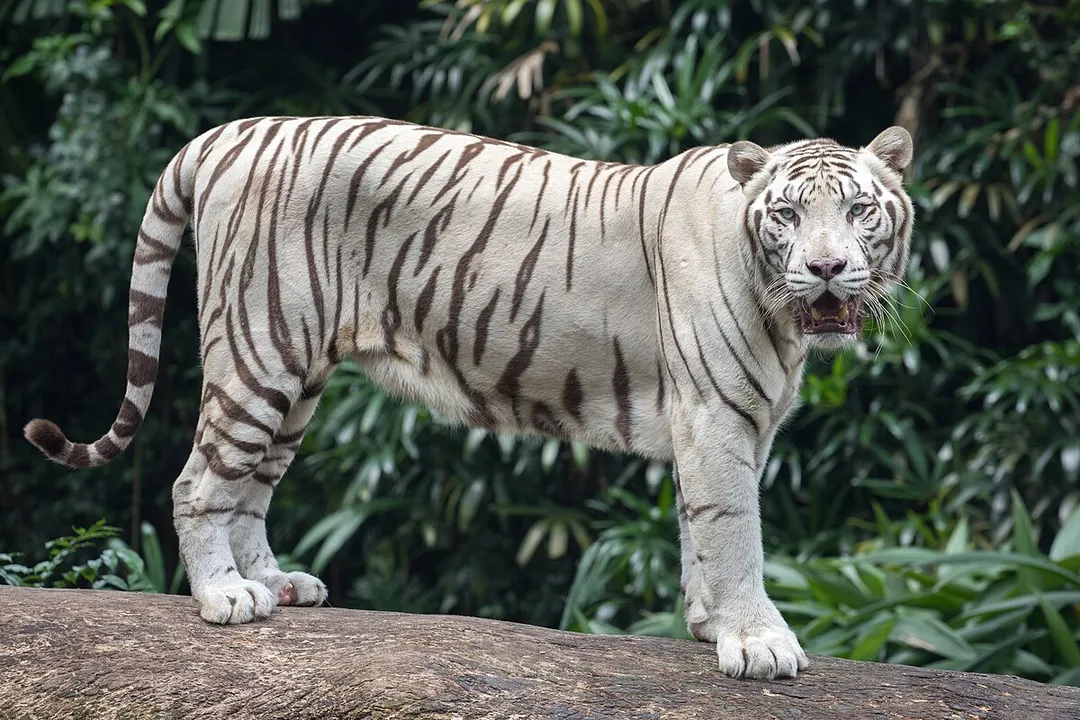
The sight of a white tiger, with its creamy coat and dark stripes, immediately captures attention, often leading people to wonder if this magnificent animal represents a separate species or perhaps a rare subspecies hiding in the jungles. Scientifically speaking, however, the lineage of the white tiger is deeply intertwined with that of its more common orange counterpart, demanding a closer look at the established biological hierarchy to truly understand its place in the natural world. [1][6] Its classification places it firmly within the broader category of tigers, Panthera tigris, which itself belongs to the family Felidae—the cats—a group encompassing everything from the domestic house cat to the largest jungle predators. [3][10]
# Kingdom Animalia
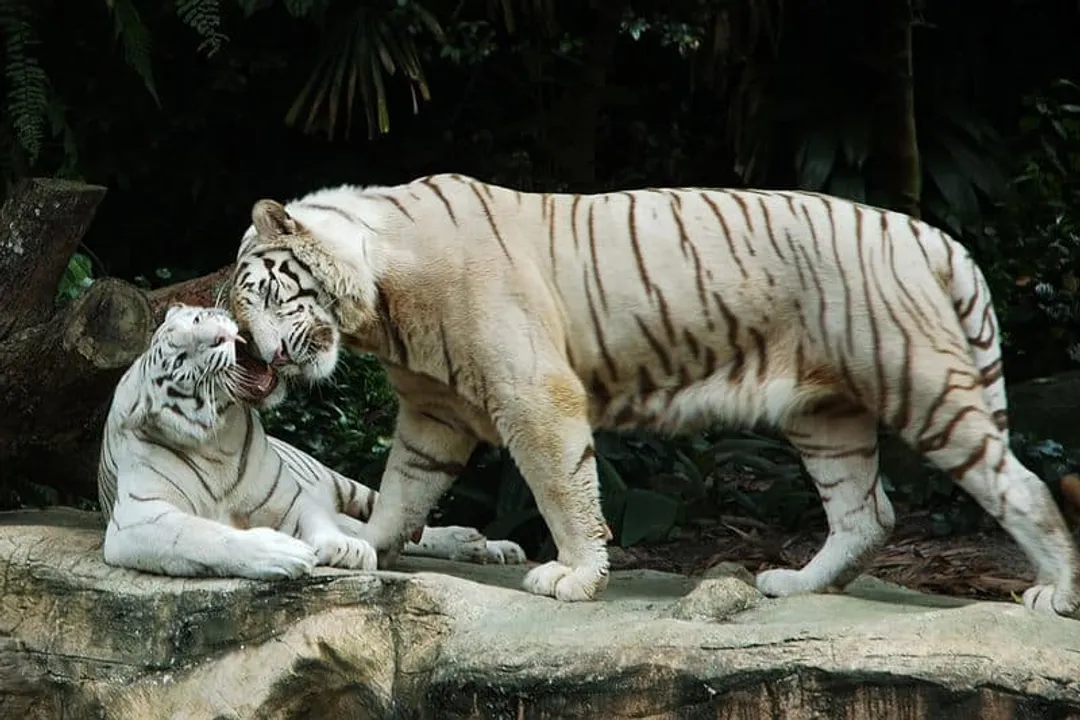
At the broadest level of biological organization, the white tiger falls under the Kingdom Animalia. [3][10] This classification is reserved for multicellular, eukaryotic organisms that obtain nutrition by ingesting other organisms and typically exhibit voluntary movement. This places the white tiger alongside mammals, insects, and fish, defining its fundamental biological nature as an animal. [3]
# Taxonomic Ranks
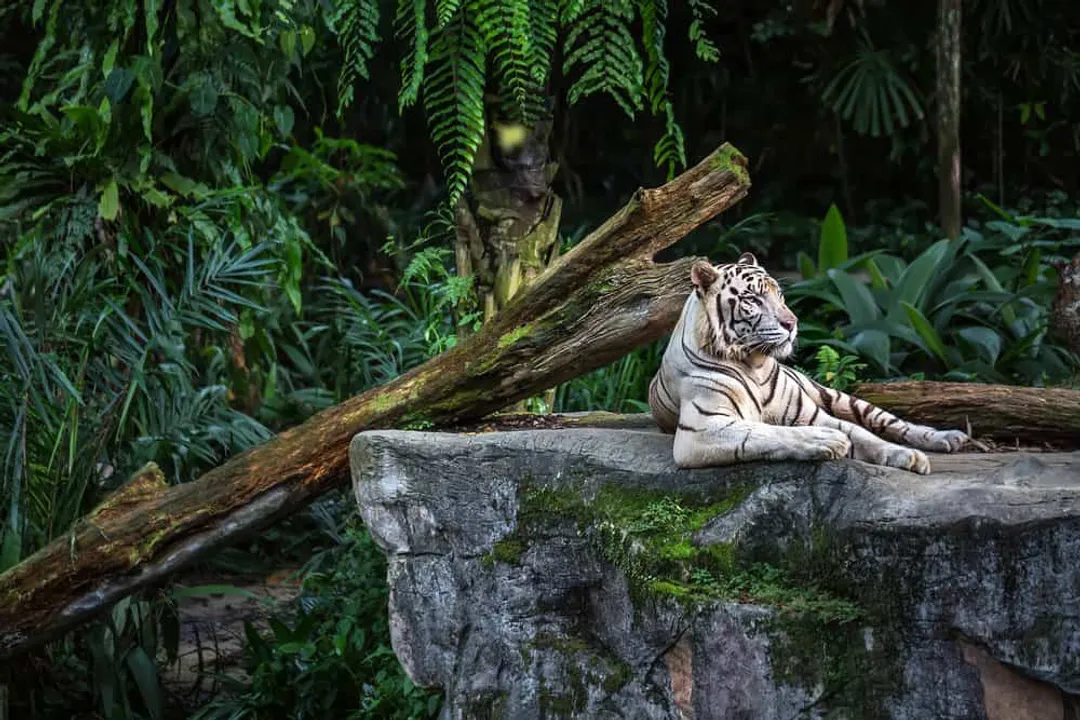
The formal scientific classification, or taxonomy, follows a standard hierarchical structure established by Linnaean principles. For the white tiger, this structure moves from the very general to the highly specific, providing a detailed roadmap of its evolutionary relationships. [10]
The complete standard taxonomic breakdown generally looks like this:
- Kingdom: Animalia [3][10]
- Phylum: Chordata (Possessing a notochord at some developmental stage) [3][10]
- Class: Mammalia (Warm-blooded, possessing hair or fur, and nursing their young) [3][10]
- Order: Carnivora (Adapted primarily for eating meat) [3][10]
- Family: Felidae (The cat family) [3][10]
- Genus: Panthera (The group of large, roaring cats, including lions, leopards, and jaguars) [3][9][10]
- Species: Panthera tigris [9][10]
This structure clearly indicates that the white tiger shares its immediate genus, Panthera, with the five other extant species of roaring cats. [3] While the genus provides crucial insight into its predatory behavior and physiology, the real distinction for the white tiger lies further down the line, often at the subspecies or population level. [1]
# Species Definition
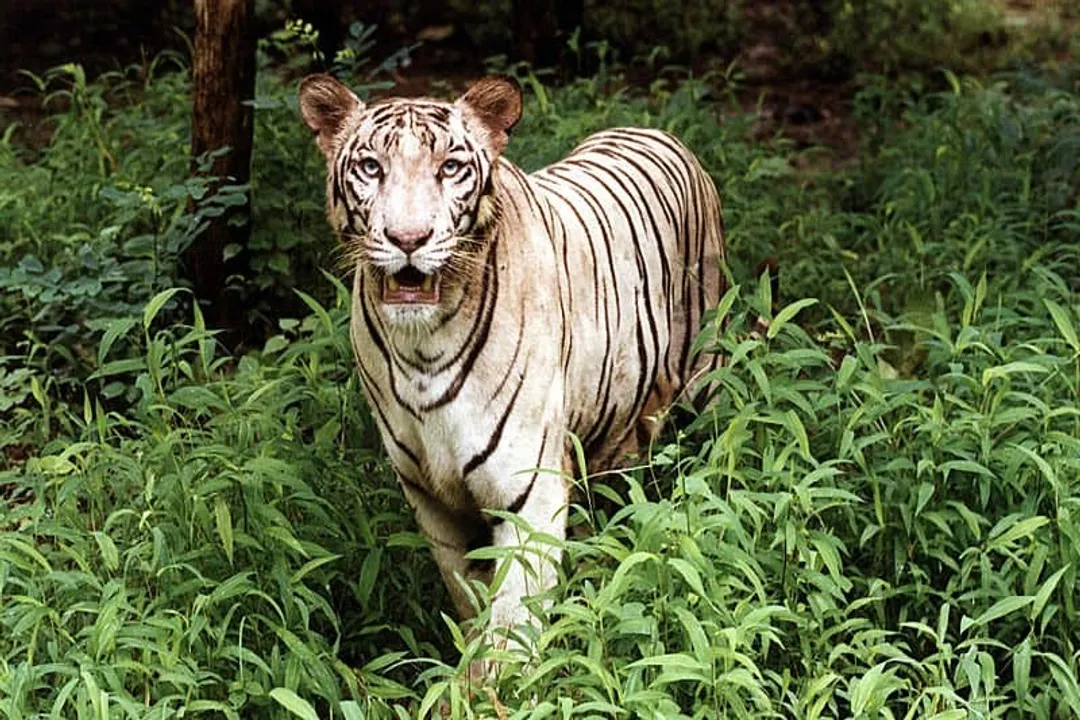
The designation Panthera tigris defines the species across all its color variations, whether they possess the classic orange-and-black coat or the striking white variation. [1][2] This species designation is significant because it denotes a group of animals capable of naturally interbreeding and producing fertile offspring in the wild, differentiating them from, say, a lion (Panthera leo). [9] All known white tigers trace their ancestry back to tigers belonging to the Panthera tigris species complex. [2]
# Subspecies Context
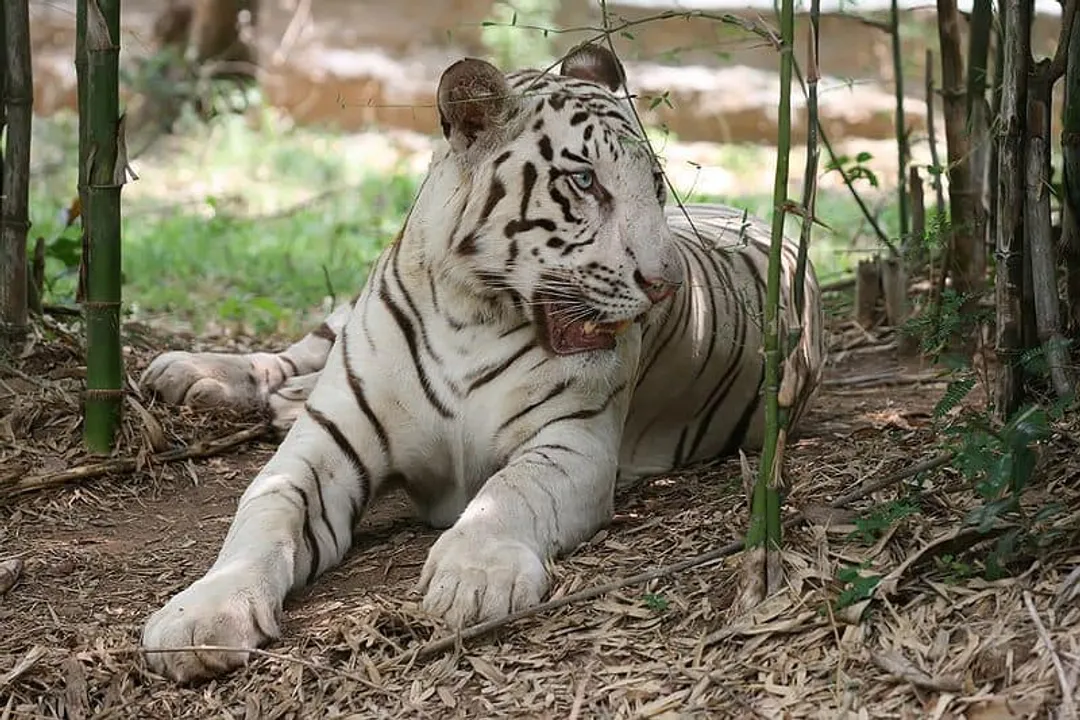
Within the species Panthera tigris, there are recognized subspecies defined by geographic location and genetic divergence. The critical piece of information regarding the white tiger is that it is not recognized as its own subspecies. [1][6] Instead, white tigers are almost exclusively linked to the Bengal tiger (Panthera tigris tigris). [1][2][6][10]
Historically, white tigers were observed in the wild primarily across the Indian subcontinent, which falls within the historical range of the Bengal tiger subspecies. [1] Therefore, when classifying the animal in terms of geography and subspecies, it is scientifically categorized as Panthera tigris tigris, carrying the white coloration as a unique trait within that population, rather than representing a distinct lineage like the Sumatran tiger (P. t. sumatrae) or the extinct Javan tiger (P. t. sondaica). [1][10] The fact that different subspecies, such as the Siberian tiger, have occasionally displayed white individuals in captivity suggests the recessive gene responsible is not entirely exclusive to the Bengal lineage, though it is overwhelmingly associated with it historically. [1]
| Taxonomic Rank | Classification for White Tiger | Key Characteristic |
|---|---|---|
| Kingdom | Animalia | Multicellular, heterotrophic |
| Phylum | Chordata | Presence of a backbone/spinal cord |
| Class | Mammalia | Fur, nurse young |
| Order | Carnivora | Meat-eaters |
| Family | Felidae | Cat family |
| Genus | Panthera | Roaring cats |
| Species | Panthera tigris | Tiger |
| Subspecies | P. t. tigris (Bengal) | Geographic and genetic grouping |
# Gene Trait
Understanding the white coat requires moving from broad taxonomy to specific genetics. The white coloration is due to a single, rare, recessive gene inherited from both parents, a condition sometimes referred to as leucism. [1][2] It is important to distinguish this from albinism; white tigers still possess pigment, which is why their stripes are dark (usually black, brown, or charcoal), and their eyes are typically blue, not pink or red like true albinos. [1][2][6] The specific gene identified as responsible for this particular coat pattern is SLC45A2. [1][2]
For a white tiger cub to be born, both parents must carry this recessive gene. [1] In a natural, large population of wild Bengal tigers, this gene might appear with an estimated frequency of about one in 10,000 individuals. [1] This rarity in the wild suggests that natural selection likely does not favor the white coat, as it offers poorer camouflage in the dappled sunlight and dense foliage where Bengal tigers typically hunt compared to the orange coat. [2]
Considering the rarity in the wild versus the concentration in captivity presents an interesting point about population genetics. The fact that we see numerous white tigers in zoos today, yet they were exceedingly rare historically, immediately tells us something profound about how human intervention has shaped this specific phenotype. Wild populations require two rare gene carriers to meet naturally, while captive breeding programs have deliberately sought out and propagated this gene, essentially increasing its frequency in the captive gene pool by several orders of magnitude compared to what one might expect in a healthy, naturally diverse wild population. [5] This selective pressure, driven by human aesthetic preference rather than ecological fitness, is an unusual divergence from evolutionary norms.
# Wild Status
Historically, white tigers were documented in the wild, particularly in the central and eastern parts of India. [1] However, due to factors like habitat loss and excessive hunting, sightings in the wild became almost non-existent by the mid-20th century. [1] Organizations like the International Fund for Animal Welfare (IFAW) note that while the overall tiger species (Panthera tigris) is listed as Endangered on the IUCN Red List, white tigers specifically are considered Extinct in the Wild by many conservation assessments. [5]
This "Extinct in the Wild" designation for the white tiger phenotype is distinct from the conservation status of the subspecies it belongs to. The Bengal tiger subspecies is endangered, meaning the orange population still exists in protected areas, albeit under severe threat. [5][10] The white variant, however, exists almost entirely within managed collections, zoos, and private hands. [5]
# Breeding Concerns
The reliance on captive breeding to maintain the white tiger population has introduced significant ethical and genetic issues. Because the gene is rare, breeders in captivity have often resorted to mating closely related animals—father to daughter, brother to sister, or cousin to cousin—to ensure the recessive trait is passed on. [1][5]
This practice leads to severe inbreeding, which concentrates deleterious recessive genes unrelated to coat color, resulting in a host of health problems. [1][5] Reported issues linked to inbreeding depression in white tigers include crossed eyes (strabismus), compromised immune systems, spinal curvature, kidney problems, and jaw alignment issues. [1][5] For example, a study of several hundred captive white tigers revealed that nearly all of them exhibited some form of physical abnormality linked to their restricted gene pool. [1]
A useful guideline for appreciating the impact of inbreeding is to look at the coefficient of inbreeding (F). If a wild population maintains a low F value (say, below 0.05), genetic health is generally good. In contrast, highly concentrated captive populations bred purely for a specific, rare aesthetic trait often see F values skyrocket, leading to visible and invisible health deficits. In the case of white tigers, the deliberate concentration of the recessive SLC45A2 gene has inadvertently concentrated the negative effects of inbreeding across the entire line, making the health of the individual highly dependent on the management practices of its specific zoo or owner. [5]
Therefore, while their scientific classification places them squarely as Panthera tigris tigris, their current existence—as an inbred color morph maintained outside of natural evolutionary pressures—places them in a unique and often troubling position within the broader framework of wildlife management and conservation science. Understanding their taxonomy helps us place them correctly, but understanding their genetics and breeding history reveals the conservation challenges they face today. [1][5]
Related Questions
#Citations
White tiger - Wikipedia
White Tiger Animal Facts - Panthera tigris tigris - A-Z Animals
Scientific Name And Classification | The White Tiger - WordPress.com
White Tiger - Rancho Texas
White Tigers: Facts, Threats, & Conservation | IFAW
White Tiger Facts | Teaching Wiki | Twinkl USA
Taxonomy Details - The Amazing White Tiger
White Bengal Tiger - Animal Database - Fandom
Panthera tigris (tiger) | INFORMATION - Animal Diversity Web
Tiger (Panthera tigris) Fact Sheet: Taxonomy & History - LibGuides