White Tiger Evolution
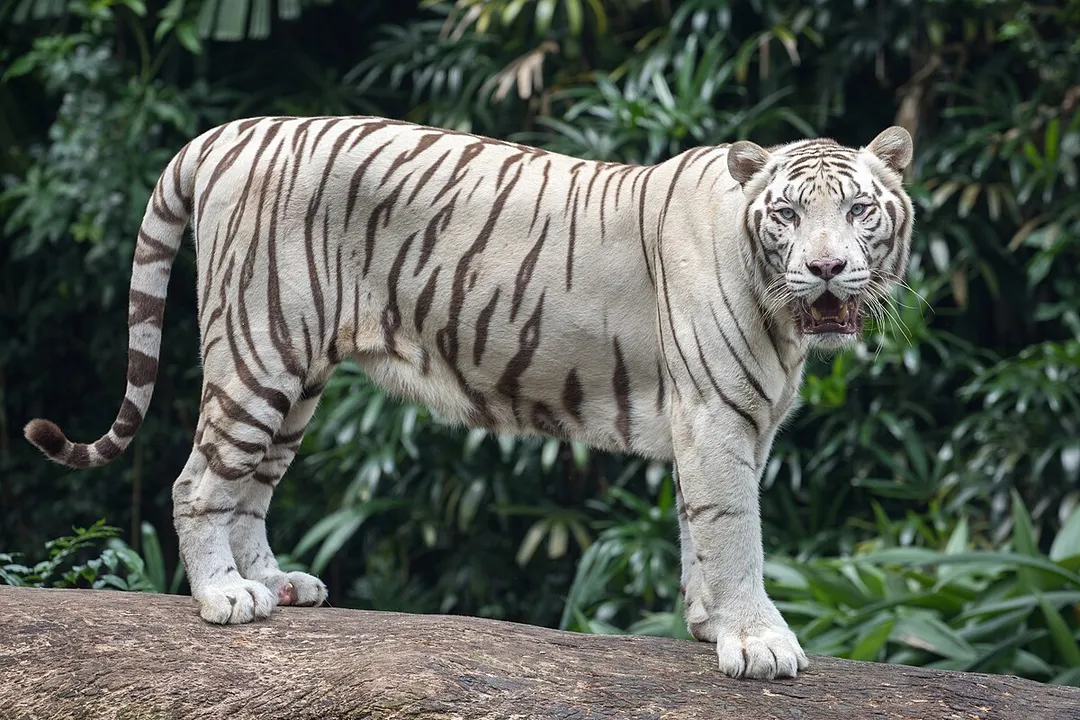
The appearance of a white tiger, with its stark white coat contrasting against dark stripes, captures the imagination, but its story is less about grand evolutionary divergence and more about a rare twist of genetics amplified by human intervention. These animals are not a separate species, nor are they albinos; rather, they represent a distinct color morph within the Bengal tiger (Panthera tigris tigris) population, stemming from a singular genetic quirk that affects pigment production. Understanding "white tiger evolution" means tracing the path of this recessive gene from its natural rarity to its problematic prevalence in captive settings.
# Recessive Code
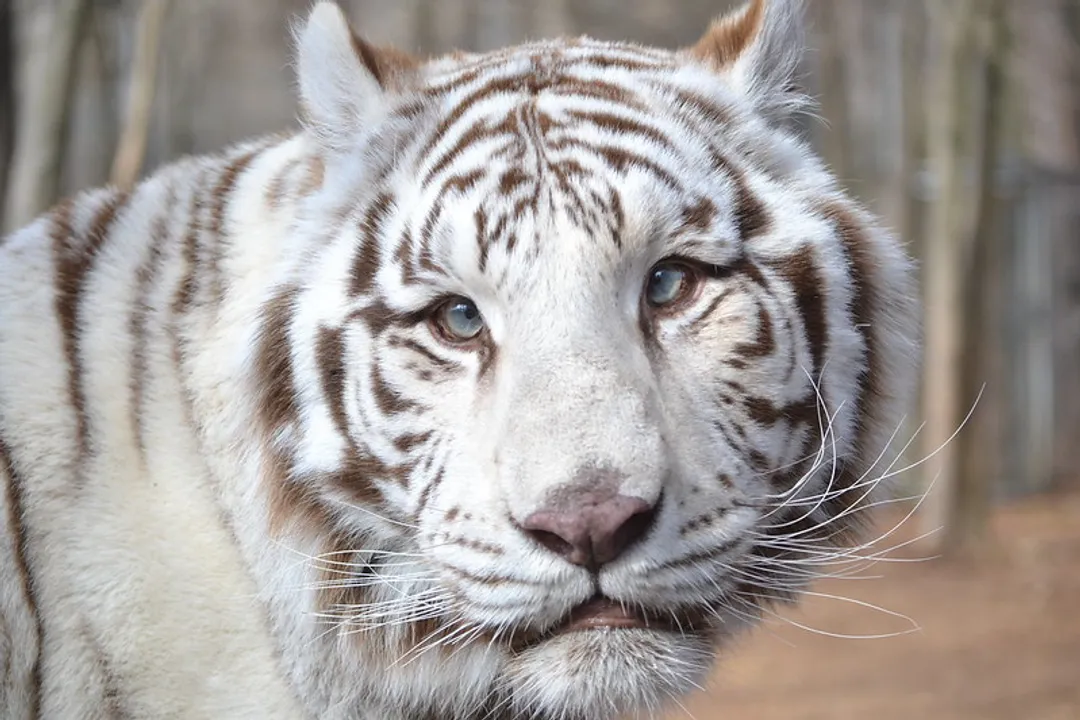
The striking lack of orange pigmentation that defines the white tiger is governed by a single gene, a recessive trait that must be inherited from both parents. If a tiger inherits two copies of the necessary recessive allele, it will be white; if it inherits one copy of the recessive allele and one copy of the dominant allele (the one causing the standard orange coloring), it will look like a normal orange tiger but carry the hidden gene.
The specific gene identified as responsible for this coloration is SLC45A2, which is also known by other names in genetic literature. This gene plays a critical role in regulating the production of pheomelanin, the pigment responsible for red and yellow hues in fur. In the typical orange tiger, the dominant version of the allele allows for the full expression of pheomelanin, resulting in the classic coloration. In the white tiger, the recessive mutation effectively blocks the full development of this pigment, leaving only eumelanin—the black pigment responsible for the stripes—to show against the white background. A helpful way to frame this is to consider that the white tiger carries a built-in 'off switch' for its orange coloration, which only activates when two copies of the switch are present. This contrasts sharply with albinism, which involves a total lack of melanin production.
The natural propagation of such a distinctive, visually striking trait is kept in check by the forces of natural selection. In the wild, the intense orange and black patterning of the standard tiger provides excellent camouflage in varied habitats, such as tall grasses or dappled sunlight. A pure white coat, while beautiful to human eyes, stands out significantly against most natural backdrops, making hunting more difficult and potentially increasing the risk of detection by rivals or prey. Consequently, in the wild, tigers carrying the recessive gene that produces a white coat have historically been extremely rare, as the trait does not confer a survival advantage; if anything, it imposes a slight disadvantage.
# Subspecies Status
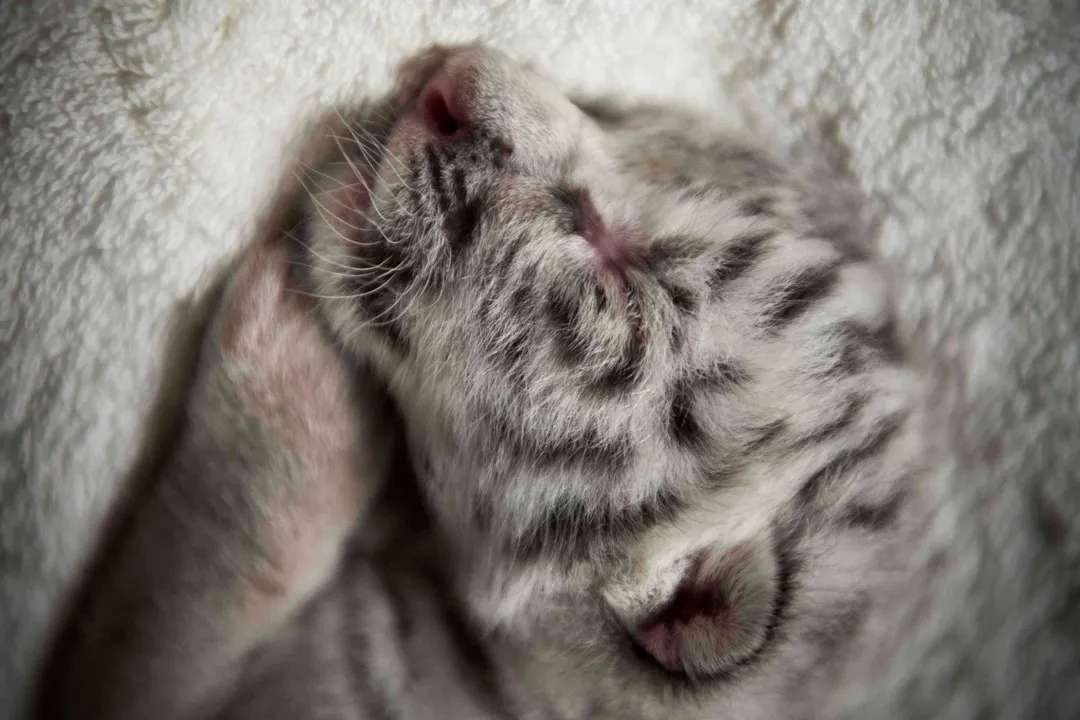
One of the most persistent misconceptions surrounding white tigers is their classification. Despite their dramatic appearance, white tigers are not a separate subspecies of tiger. They are simply Bengal tigers (Panthera tigris tigris) that possess the specific color variation.
Historically, reports of white tigers came almost exclusively from the region of India, particularly the former princely state of Rewa, where the last known wild white tiger was reportedly captured in 1958. This limited geographical origin suggests that the recessive gene may have had a slightly higher frequency in that particular population, but it was never widespread enough to define a separate group. The defining factor in their current population structure is not natural dispersal or speciation but rather deliberate human selection in captivity.
When zoos and private breeders began actively seeking out this rare appearance in the mid-20th century, the evolutionary pressure was entirely inverted. Instead of natural selection favoring camouflage, artificial selection favored the rare, visible trait. This intentional breeding created a feedback loop where only animals expressing or carrying the recessive gene were deemed valuable for breeding programs, thus artificially increasing the frequency of the gene far beyond its natural equilibrium. This focus on aesthetics over genetic diversity is a crucial departure from the slow, environment-driven process we typically associate with biological evolution.

# Inbreeding Cost
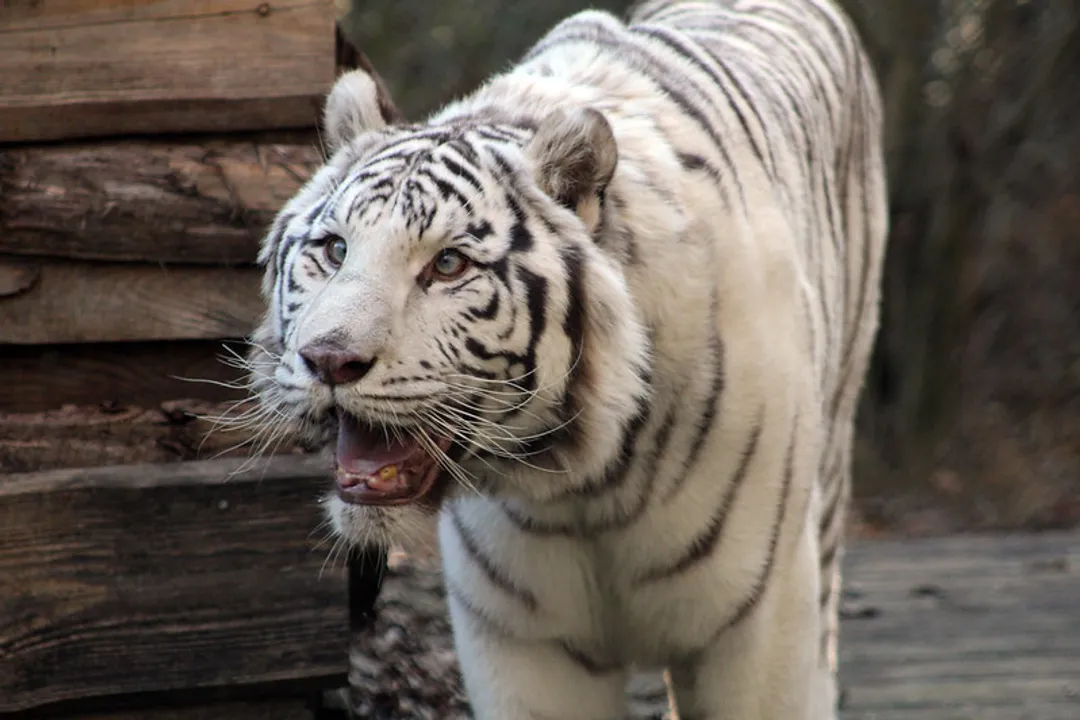
The intense demand for white tigers in the captive breeding market created a severe genetic bottleneck. Because the trait is rare and recessive, the gene pool available to produce white cubs quickly became extremely small. Breeders were forced to repeatedly breed closely related individuals—such as fathers to daughters, mothers to sons, and siblings—to ensure the recessive genes combined to produce the desired white coat.
This intensive inbreeding has led to a documented cluster of serious, non-pigment-related health defects among captive white tigers. These issues are not caused by the white coat gene itself, but by the accumulation of other recessive genetic disorders that are unintentionally passed down when related individuals breed frequently. Common ailments reported include strabismus (crossed or misaligned eyes), compromised immune systems, kidney problems, and skeletal deformities.
It is insightful to compare the genetic pressure here to historical selective breeding in domestic animals. For instance, many purebred dog lines suffer from specific, breed-defining health conditions due to generations of tight breeding practices focused on appearance, like brachycephaly in pugs or hip dysplasia in large breeds. The white tiger situation is an extreme example where the pursuit of a single aesthetic trait—a simple color pattern—has resulted in widespread genetic detriment across the entire captive population exhibiting that trait. The focus shifts entirely from the tiger’s ability to survive in its environment to the keeper’s ability to manage chronic health problems arising from poor breeding practices.
# Natural Selection
To fully appreciate the context of the white tiger, one must contrast its current existence with the pressures acting on wild tigers. Natural selection is a process that favors traits enhancing survival and reproduction within a specific environment. For the orange tiger, this means maximizing cryptic coloration.
If, hypothetically, a white tiger cub were born in the wild today, its chances of reaching maturity and reproducing successfully would likely be lower than its orange siblings, assuming its coat reduces its hunting efficiency or increases its visibility to predators or rivals. The recessive gene responsible for white coats persists in the wild population only because carriers—the orange tigers who possess one copy of the gene—can remain hidden without expressing the trait. In essence, nature keeps the frequency low and balanced.
The situation is a stark illustration of how quickly artificial selection can override natural evolutionary constraints when strong human preference is introduced. The presence of white tigers in zoos is a testament to human fascination overriding ecological logic. While they draw crowds and can sometimes be used in educational settings regarding genetics, their history highlights a failure in conservation ethics—prioritizing a visually appealing anomaly over the health and genetic integrity of the species as a whole. The ongoing existence of white tigers is thus not an example of successful evolutionary adaptation, but rather a consequence of a breeding program that values novelty over viability.
Related Questions
#Citations
White tiger - Wikipedia
The White Tiger Paradox: How a Misunderstood Genetic Oddity Can ...
White Tiger (Evolved Tiger) (Earth-616) | Marvel Database | Fandom
The Truth Behind White Tigers - Carolina Tiger Rescue
2. White Tiger Genetics: The Basics
White Tigers | Big Cat Rescue | Wild cats in the wild
Tiger, Tiger, Burning Bright, Just One Gene To Make It White
The Truth About White Tigers - The Wildcat Sanctuary
The genetic basis of white tigers - PubMed
The strange history of white tigers - Live Science