What geographic feature defines the historical western boundary of White Crappie distribution?
Answer
The eastern slope of the Rockies.
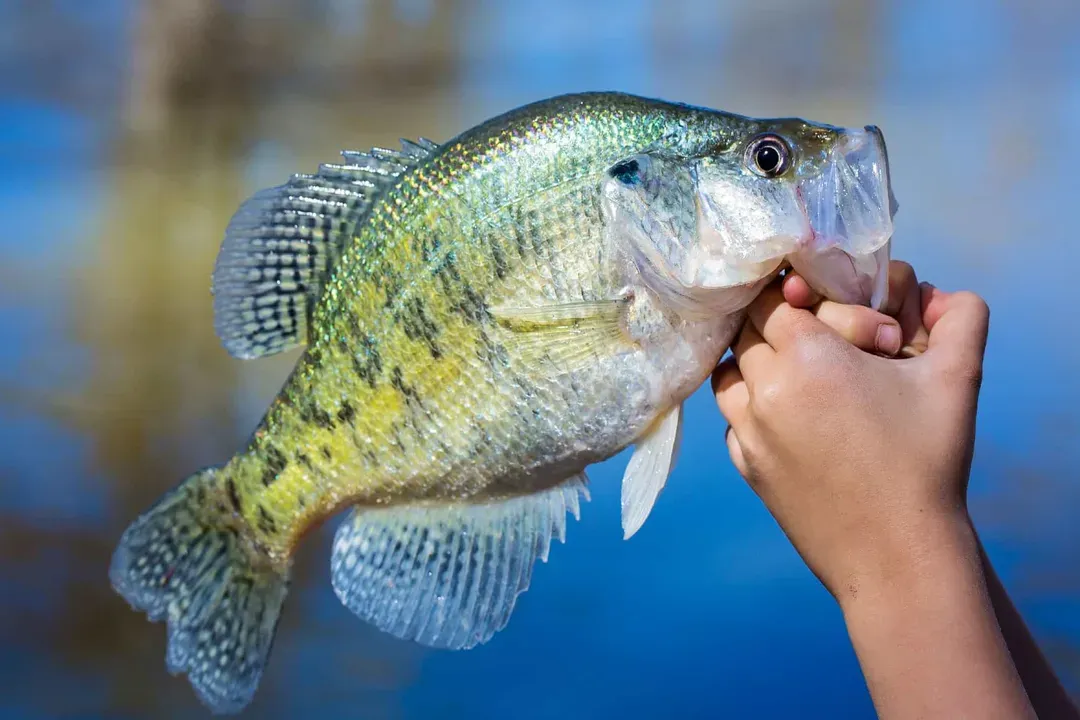
The native geographic range of the White Crappie covers a vast area across the central and eastern United States. Specifically, the distribution extends from the northern boundary established by the Great Lakes drainage system, southward through the Mississippi River Valley down to the Gulf Coast. The text explicitly sets the western limit of this historical native range as terminating along the eastern slope of the Rocky Mountains. While stocking has expanded this range, this geographical feature marks the extent of their natural presence.
#Videos
Hotspot Guide: White Crappie | Call of the Wild: theAngler - YouTube
How to catch a DIAMOND WHITE CRAPPIE | The Angler - YouTube
Related Questions
What water clarity do White Crappie generally favor compared to Black Crappie?What is the typical summer water temperature range reported for White Crappie?Where do non-spawning White Crappie often suspend during the summer months?What geographic feature defines the historical western boundary of White Crappie distribution?What depth range do White Crappie generally move toward when preparing to spawn in the spring?When suspended during the summer, White Crappie often relate to what specific water feature for stable temperature?In winter, where do tightly schooled White Crappie seek the most thermally stable environment?What does the "edge effect" strategy suggest for casting toward submerged structure?What systematic adjustment is recommended when sonar locates White Crappie suspended offshore but strikes are missed?What substrate do White Crappie favor for spawning sites in the spring?