White-Crowned Sparrow Locations
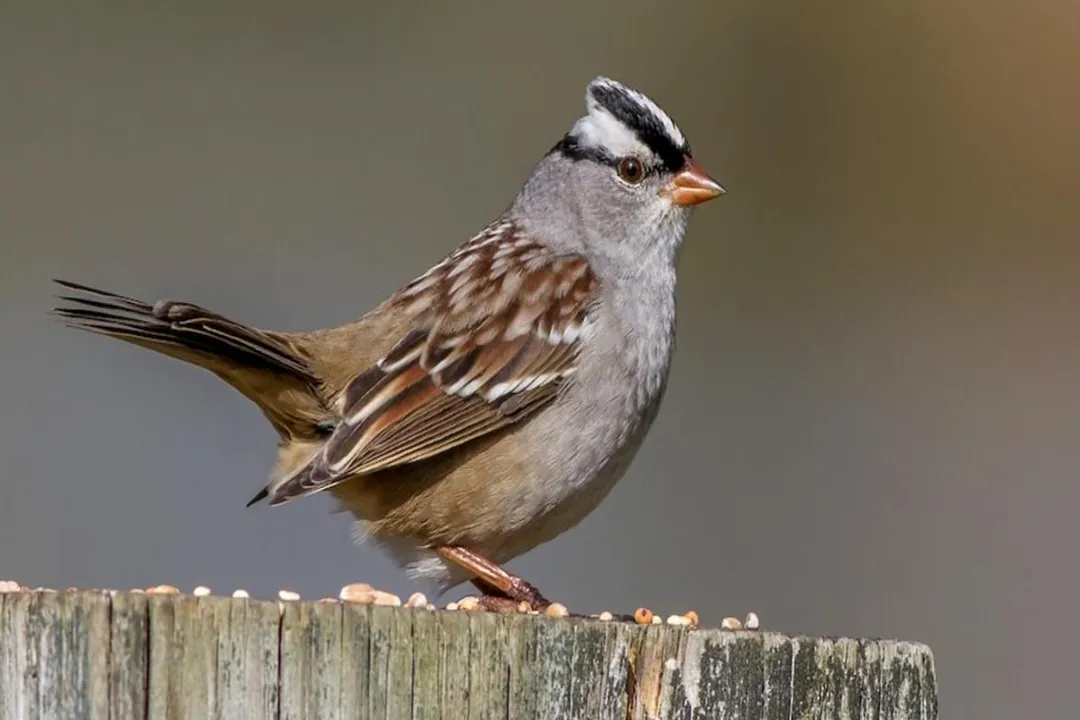
The White-crowned Sparrow, a familiar sight across much of North America, presents an interesting puzzle when tracking its whereabouts. Knowing where this distinct bird spends its year involves understanding its wide migratory movements and the subtle differences between its various subspecies. While many people only encounter them during the colder months, their presence shifts dramatically as the seasons change, making them a rewarding bird to follow throughout the annual cycle. [4][6]
# Geographic Spread
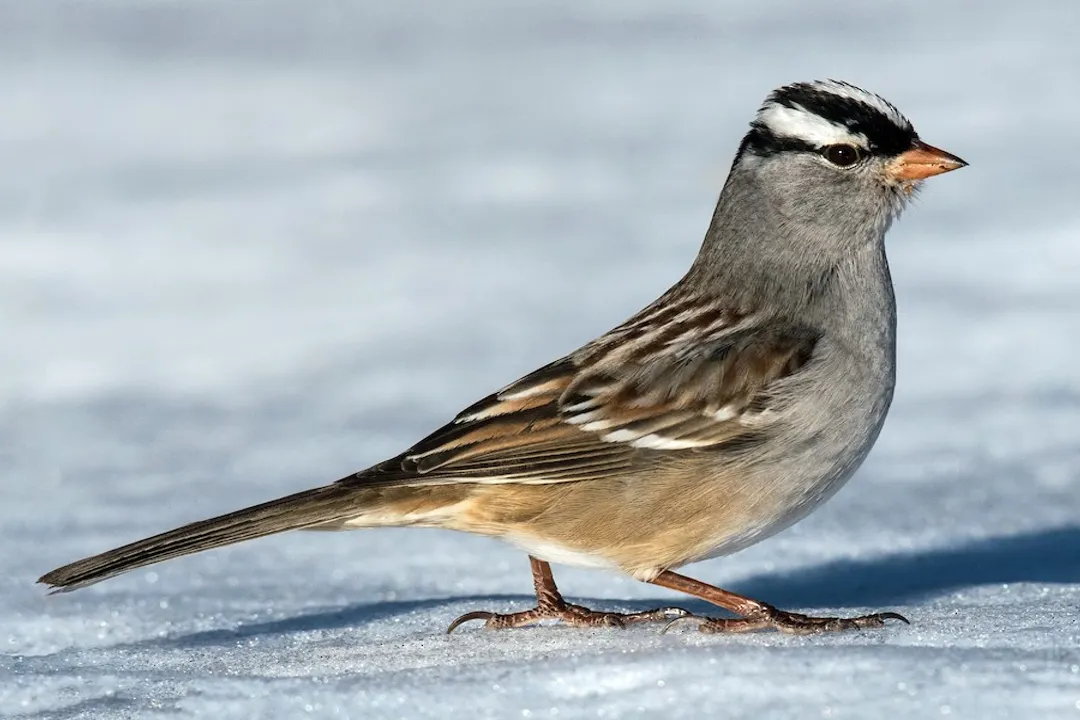
The overall range of the White-crowned Sparrow is extensive, covering a significant portion of the continent. During the breeding season, these birds can be found across the northern reaches of North America, stretching from Alaska and across Canada down into the northern United States. [1][6] However, their wintering grounds pull them significantly southward. Most populations migrate to the southern half of the United States, Mexico, and even down into Central America. [1][9] This means that while a birder in southern Arizona might see them year-round, a person in Minnesota will only host them for a brief period each year. [1]
It is important to note that residency status changes based on location. In the far north, they are strictly summer visitors, arriving to nest and leaving before the first hard frost. Conversely, the Pacific coast often hosts resident populations, particularly in California, where some subspecies might not undertake long migrations at all. [6] This variation in movement patterns means that a bird’s location is heavily dependent on which specific grouping, or subspecies, you happen to be observing. [6][5]
# Breeding Sites
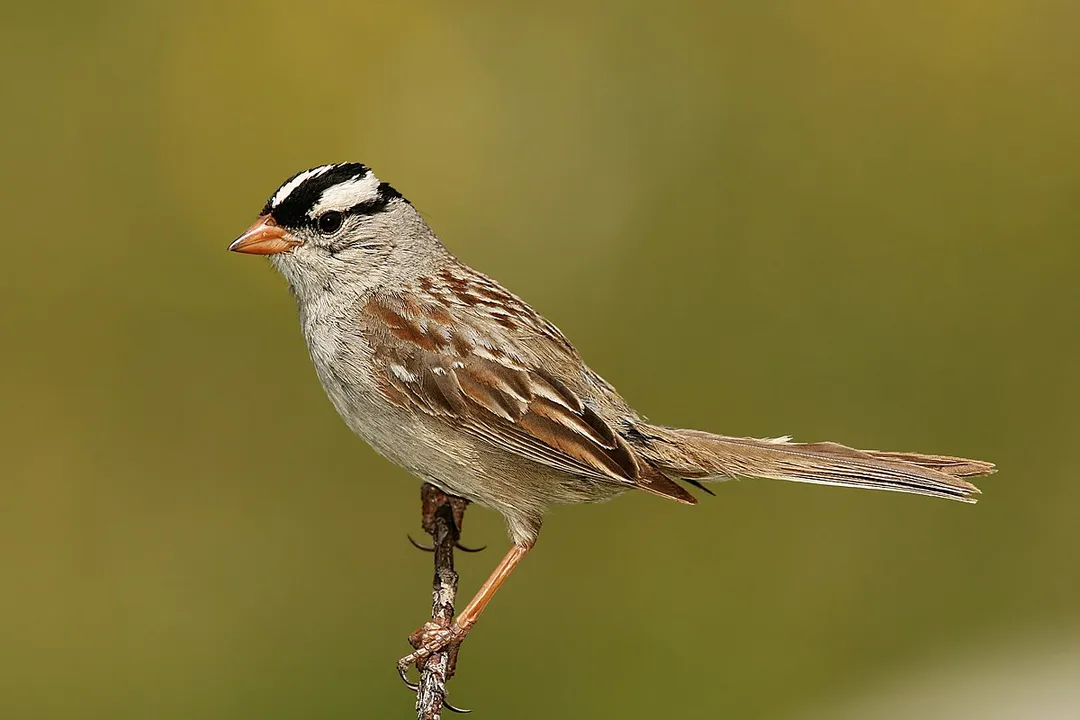
When the urge to nest takes hold, the White-crowned Sparrow seeks out specific, often scrubby, environments. Their breeding range is generally characterized by brushy thickets, shrubby areas, and the edges of woodlands. [4][2] In the northern latitudes, this might mean areas recovering from fire or along the edges of coniferous forests. [3] They favor habitats that provide good cover close to the ground but also offer some elevation for singing males. For example, a patch of dense willows near an open field might be an ideal spot. [4]
The structure of the nest itself is usually a cup shape, built low to the ground, often less than three feet up, nestled in dense shrubs or thickets. [3][4] This preference for dense, low cover is consistent across their breeding range, whether they are in the low scrub of the Canadian prairies or the higher elevation thickets of the Rocky Mountains. [4] A good rule of thumb for identifying potential breeding territory is to look for areas where shrubs are abundant but not entirely closed in, offering a mix of cover and foraging space. [2]
# Wintering Areas
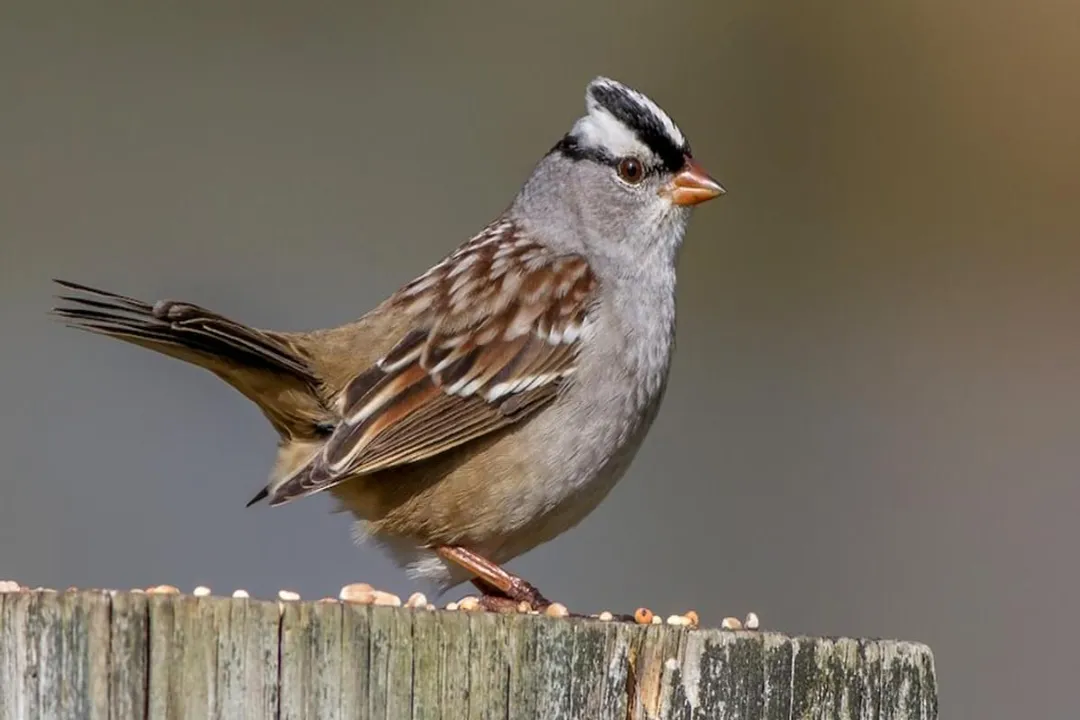
As the days shorten and temperatures drop, the large populations from the north funnel south to their wintering territories. The primary wintering locations include the southern United States—especially the Southwest—Mexico, and parts of Central America. [1][9] These birds are quite adaptable once they reach their winter homes. While they stick to shrubby cover, they become highly conspicuous when foraging near human habitation. [2]
In winter, you are most likely to find them in weedy fields, roadside thickets, parks, suburban yards, and especially around bird feeders that offer ground scatterings. [2][7] Areas that provide dense low cover for immediate escape, combined with easy access to food resources, are magnets for wintering sparrows. [8] For instance, a yard with a large evergreen shrub border next to a lawn where seed has fallen can become a reliable stopover site throughout the cold months. [8]
# Migration Paths

The journey taken by the migrating groups is what connects the northern breeding grounds to the southern wintering areas. This movement isn't a straight shot; it follows established corridors that funnel birds across the continent. [1] Eastern breeders tend to move along paths that bring them through the Mississippi River Valley and the central/eastern US during migration, whereas western populations often stick closer to the mountain ranges or the Pacific coast flyways. [1]
The timing is predictable. Departures from northern breeding grounds typically begin in late summer and early fall, with the main waves moving south in September and October. [6] They then stage their return north starting in late February, peaking in April and May as they move back to their nesting territories. [6][10] Keeping an eye on local birding reports during these transitional months can often reveal a temporary spike in sightings as large flocks pass through an area, even if the species is not a local breeder or winter resident. [9]

# Subspecies Variation
One of the most fascinating aspects of tracking White-crowned Sparrow locations is the impact of subspecies. Zonotrichia leucophrys is divided into several distinct forms, and their geographic separation contributes significantly to where you find them year-round. [5]
The key differences often lie in the crown pattern and the grayness of the face, particularly between the gambelii (Gambel's) and leucophrys (Rocky Mountain/Northern) groups and the coastal oriantha and pugetensis groups. [5][6]
For example, the very recognizable gambelii subspecies, known for its strikingly white forehead and often breeding in the far north of the continent, tends to be the most widespread migrant, traveling the furthest south for the winter. [5][6] Conversely, the subspecies found along the coast of the Pacific Northwest (pugetensis) may show less migration, or be shorter-distance migrants, often remaining in California or the Pacific Northwest year-round, or moving only slightly south along the coast. [5] Observing the subtle differences in the crown stripe—how much white is present relative to the black stripes—can sometimes give you a clue as to whether you are looking at a long-distance migrant or a year-round local resident, which is an excellent piece of field expertise to build over time. [6]
If you are birding in the northern plains during winter, you are very likely to be seeing the gambelii subspecies, whereas a birder in coastal Oregon might be seeing pugetensis even in January. [5][10] This localized variation means that simply knowing "White-crowned Sparrows are here in winter" isn't specific enough; which White-crowned Sparrow is here reveals much about their breeding origin. [5]
# Urban Foraging Strategy
While they prefer wilder, scrubby areas for nesting, when they arrive in populated areas for the winter, they become surprisingly comfortable around human activity, provided the essential element—ground cover—is available. [8][7] White-crowned Sparrows are primarily ground feeders. They scratch at leaf litter and dirt with both feet, kicking debris backward to uncover seeds, insects, or spilled bird food. [2][8]
This behavior means that the locations they choose in suburban settings are usually predictable: underneath platform feeders, beneath dense evergreen hedges, or along the edges of mulched flowerbeds where fallen seed accumulates. [8] They are generally less likely than House Sparrows or Finches to use hanging tube feeders, preferring what is easily accessible on the ground or on a low tray. [8] If you want to attract them, spreading a mix containing millet or cracked corn directly on the ground or on a very low platform in an area adjacent to safe cover will be far more effective than relying on typical hanging feeders. [8] They are shy visitors, so placing the feeding station where they can quickly retreat to a shrub if startled is key to making them regular guests. [7]
A practical approach for consistent winter sightings involves creating a "safe zone" feeding patch. Instead of scattering seed randomly, focus your offerings in a small area sheltered by a dense shrub or thicket, perhaps within ten feet of the cover. This reduces their exposure time while foraging, which is crucial for such a wary species, and this small, predictable food source often becomes a dependable landmark for the visiting flock throughout the winter months. [2][8]
# Sightings in Parks
Public parks and green spaces often serve as crucial waystations or wintering sites for these sparrows, especially when those parks feature diverse habitat layers. A park that only offers mowed lawn provides little attraction. However, a park incorporating overgrown creek beds, brush piles left over from pruning, or edges of ornamental shrubbery near pedestrian walkways becomes prime territory. [4][7]
In urban settings, White-crowned Sparrows are often found foraging in groups, though they may appear solitary if the food source is small. [2] They frequently join mixed-species flocks during the non-breeding season, associating with juncos, other sparrows, and towhees. [7] If you spot a flock of Dark-eyed Juncos kicking up debris under a pine tree, it is always worth pausing to scan the edges of the group for the bold black and white stripes of a White-crowned Sparrow. [7] In some regions, like Nebraska, they are noted as passing through riparian areas along rivers during migration, suggesting that even city parks that border waterways can offer momentary opportunities to spot them during peak movement times. [10]
The relative abundance of the bird in certain areas can also be tracked through citizen science data, which shows distinct differences in reporting rates. For instance, while they are common winter visitors across much of the lower 48 states, the intensity and duration of their presence depend entirely on the local subspecies that happens to pass through or settle there. [9] Monitoring these citizen science portals can help localize your search efforts during migration peaks. [9]
Related Questions
#Citations
White-crowned Sparrow Range Map - All About Birds
White-crowned Sparrow | Audubon Field Guide
White-crowned Sparrow - South Dakota Birds and Birding
Zonotrichia leucophrys (white-crowned sparrow) | INFORMATION
White-crowned sparrow - Wikipedia
White-crowned Sparrow - NH Audubon
White-Crowned Sparrow - Wild Bird Feeder and Accessory Store
White-crowned Sparrow Zonotrichia leucophrys - eBird
WHITE-CROWNED SPARROW - Birds of Nebraska – Online