White Crappie Diet
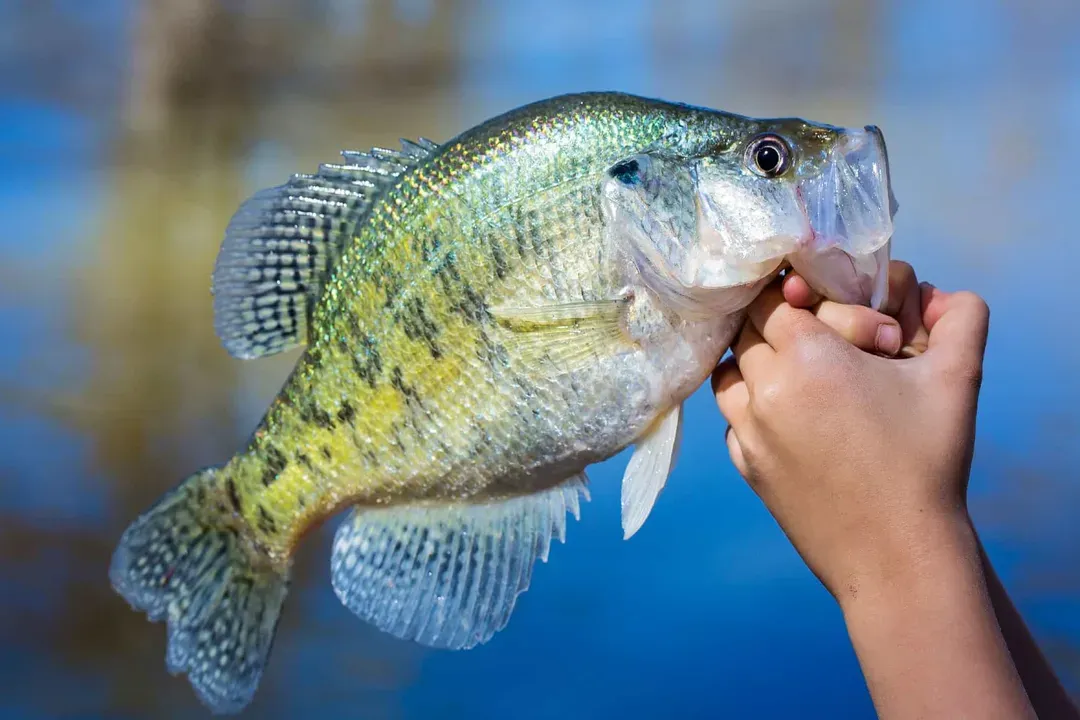
The diet of the white crappie, Pomoxis annularis, is a fascinating subject that dictates everything from where they congregate in a lake to the artificial lures anglers should choose when pursuing them. [2] Understanding what these popular panfish consume throughout their lives is the key to consistently locating and catching them, whether they are schooling near a submerged brush pile or cruising open water. [6][1] It is a spectrum of prey that shifts dramatically as the fish grows from a tiny fry to a mature, foot-long specimen. [5]
# Life Stages
The nutritional requirements and feeding strategy of the white crappie change fundamentally as they mature. Like many fish, their initial diet is micro-focused, gradually expanding to encompass much larger targets over time. [2]
# Fry Diet
When white crappie first hatch, they are incredibly small, often measuring less than an inch in length. At this nascent stage, their diet is entirely dependent on the smallest available food sources in the water column. [5] This initial food source is almost exclusively zooplankton, microscopic animals drifting in the water. [1] Tiny crustaceans like copepods and cladocerans are staples for these young fish. [5] Survival rates are intrinsically linked to the availability and density of this planktonic food base during the first few weeks of life. [2] If the nursery waters are low on these microscopic organisms, large die-offs can occur before the fish ever reach a size worth targeting by anglers. [5]
# Juvenile Switch
As the white crappie grow into their juvenile phase, generally exceeding an inch or so in length, their mouths are larger and their energy demands increase significantly. [5] They are physically capable of tackling larger prey, and this is when they undergo a critical dietary shift away from reliance on pure zooplankton. [2] While they will still consume small invertebrates, they actively begin targeting larger aquatic insects and small crustaceans like aquatic insect larvae and small amphipods or scuds. [1] This transition phase is vital; success here means a rapid growth rate heading into the summer months. [5] They start becoming more predatory in nature during this stage. [2]
# Mature Consumption
Once a white crappie reaches maturity, its menu broadens considerably, focusing on energy-dense prey that sustains their larger body mass. [6] They become opportunistic feeders, but certain categories of prey dominate their intake, especially in reservoirs and large lakes across their range. [2][4]
# Primary Prey Types
The core diet of adult white crappie relies heavily on three categories: insects, crustaceans, and small fish. [1][5]
Aquatic Insects: This group remains incredibly important, even for larger fish. [1] Crappie consume various stages of aquatic insects, including nymphs and larvae that live on the bottom structure or among submerged vegetation. Surface insects that fall into the water are also readily taken. [5] They are not overly selective if the size is right, meaning a high concentration of emerging mayflies or midges can trigger a feeding response. [1]
Crustaceans: Small crayfish, especially the immature ones or molting adults, provide excellent protein. [1] However, their most consistent crustacean intake often comes from freshwater shrimp or scuds that inhabit the deeper, cooler water or structure. [2] The abundance of scuds in a system can be a major factor in producing large crappie populations. [5]
Baitfish: For crappie pushing past eight or ten inches, small forage fish become a major component of their caloric intake. [1][5] They prefer minnows and fry of other species. [2] Common targets include shad, shiners, and the young of species like bluegill or sunfish, depending on what is most numerous in that specific water body. [6] A school of panicked, small baitfish can draw aggressive feeding strikes from larger crappie. [1]
# Diet Composition by Location
The exact breakdown of the white crappie diet is geographically specific. In one large Midwestern reservoir known for its stained water, anglers often find that insects and invertebrates dominate the gut contents year-round, simply because the density of small, sight-feeding baitfish is lower than in clearer systems. [8] Conversely, in clearer southern impoundments where threadfin shad are abundant, larger crappie might have diets consisting of over 60 percent small shad during peak feeding times. [4] This natural variability underscores the need for the angler to assess the immediate local forage base rather than relying on a single "magic" food source. [9]
| Prey Category | Examples | Importance to Adult Crappie | Source Reference |
|---|---|---|---|
| Insects | Midges, Mayflies, Water Bugs | High, year-round staple | [1][5] |
| Crustaceans | Scuds, Small Crayfish | Moderate to High, excellent protein | [1][2] |
| Fish | Minnows, Shad Fry, Bluegill Fingerlings | High caloric intake, preferred by larger fish | [1][5][6] |
| Zooplankton | Copepods, Cladocerans | Primary food for fry only | [5] |
# Environmental Triggers
The white crappie’s feeding behavior is heavily influenced by external conditions, particularly water clarity and light penetration. [2][8]
# Water Clarity
White crappie generally prefer somewhat turbid or stained water compared to their cousin, the black crappie. [8] Turbidity offers them a degree of camouflage, allowing them to ambush prey more effectively. [2] In very clear water, they may retreat deeper or feed more cautiously because they are more visible to both predators and prey. [8] This preference for stained water often means they target food sources that thrive in those conditions, perhaps focusing more on scent- or vibration-based hunting rather than relying solely on eyesight when the water is heavily stained. [2]
When water clarity is high, crappie often become strictly sight feeders, requiring brightly colored or highly reflective lures that contrast well against the bright background, especially when suspended near the surface or suspended over deep basins during the day. [4] If the water is stained, they are often positioned closer to cover, waiting for prey to pass by within striking distance. [8]
# Light and Timing
Light intensity plays a significant role in dictating when the white crappie feed most aggressively. [6] They are often characterized as being most active during low-light periods. [1] Early morning, late evening, and periods of heavy cloud cover often see peak feeding activity. [6] This behavior is likely a combination of two factors: their prey being more active during these times, and the reduced light allowing the crappie to move more confidently out of heavy cover to hunt. [2] During the bright midday sun, they frequently retreat to deeper water or seek the dense shade provided by submerged timber or heavy weed lines. [1][6]
When water temperatures are ideal, typically in the 60s and low 70s Fahrenheit, crappie feed actively throughout the day, though the best bites usually still occur during the low-light windows. [7] In colder water, like early spring or late fall, they become lethargic, and feeding periods might shrink to just a few brief windows around the warmest part of the day. [7]
An interesting observation for those fishing in man-made reservoirs is the interaction between crappie feeding and plankton migration. In many deep, clear systems, zooplankton migrate vertically—rising to the surface at night and dropping deep during the day to avoid predators. [2] White crappie often follow this plankton bloom, meaning that an angler targeting crappie feeding on zooplankton must adjust their depth drastically between dawn and noon. [5]
# Translating Diet to Tactics
For the angler, understanding the white crappie diet is not academic; it is directly actionable in how one approaches fishing for them. [6] If you know what they are eating, you can mimic it or place your bait where they are hunting that specific food item. [10]
# Size Matters
The general rule of thumb holds true: the size of the bait should correspond to the size of the fish you seek. [5] Small crappie, those under six inches, require tiny baits—small jigs tipped with minnows or the smallest plastic trailers, sometimes as small as 1/32nd of an ounce. [10] To target the giants, often called "slabs," anglers should use larger profile baits that imitate larger shiners or mature bluegill, such as 2-inch swimbaits or larger crappie jigs in the 1/8th to 1/4th ounce range. [6] Presenting a massive, 4-inch swimbait to a 10-inch crappie is unlikely to get a strike because it exceeds their comfortable strike zone, even if they are eating minnows. [5]
# Mimicking the Menu
When fishing jigs, matching the color to the prevailing forage is critical, but texture and action can sometimes override perfect color matching, especially in low light. [10] If the system is dominated by shad, using baits that imitate shad—silver, white, or chartreuse patterns—is a solid starting point. [4] If aquatic insects are the primary food source, which is often the case during summer months when baitfish activity slows, smaller, finesse presentations that wobble or flutter subtly, perhaps in black, brown, or olive green, tend to excel. [1][5] A subtle, erratic retrieve that mimics a wounded or struggling insect often triggers a reaction strike when the fish are not aggressively feeding on schooling baitfish.
When an angler observes baitfish schools near the surface or sees insects hatching near lily pads, that is the time to employ topwater or shallow-running lures, directly targeting the exposed food source. [6][10] If the crappie are suspended over a deep breakline, it suggests they are following deep-water crustaceans or baitfish, making a vertical jigging presentation or a slow-trolled deep crankbait the logical choice to intercept their primary energy source. [2] The transition from following plankton to following shad often corresponds with the crappie moving from cover-oriented feeding to suspended offshore feeding patterns in the summer. [2][7]
# Crappie Foraging Ecology
Understanding the hierarchy of their diet allows us to appreciate the ecological niche the white crappie occupies. They are essentially mid-level predators, sitting just above the primary invertebrate consumers and below the true apex sportfish in many systems. [2]
# Opportunism vs. Preference
While white crappie are often described as opportunistic, meaning they will eat almost anything that moves and fits in their mouth, they do exhibit clear preferences based on energy return. [1] A fish expends less energy catching a small zooplankter than a struggling minnow, but the minnow provides significantly more calories, which is crucial for growth and spawning condition. [2] Therefore, as they grow, their threshold for what constitutes an "acceptable" meal shifts upwards in size and caloric density. [5] A fish that might eat 20 small insect larvae to feel full will prefer one medium-sized shad if it is available and accessible. [1]
One way to think about their feeding intensity is to consider water temperature as a throttle on their metabolism. When water temperatures are cool (below 50°F or above 85°F), the energy gained from eating might not justify the energy spent chasing the prey, leading to very slow or nonexistent feeding. [7] During these periods, they become highly selective, sometimes only hitting the most easily accessible, highest-calorie item they encounter, like a slow-sinking nightcrawler segment intended for catfish but accepted by a sluggish crappie. [9]
# The Role of Cover
The proximity of food to structure cannot be overstated for white crappie. [4] Unlike open-water predators that might chase food across long distances, crappie, due to their body shape and typical schooling behavior, prefer to feed near areas that offer immediate ambush points or security cover. [8] This is why brush piles, standing timber, submerged roadbeds, and weed edges are perennial hotspots. [6] The food source—be it an insect swarm or a tight school of minnows—tends to congregate near or over this structure, and the crappie wait there for the meal to arrive. [4] Targeting the edge of the cover where the fish are staging to feed, rather than the deepest, most hidden part, is often the most effective approach when trying to match their feeding habit. [10]
If you are fishing a system known for heavy insect hatches, look for submerged wood that extends up toward the water's surface, as this provides a platform from which the crappie can dart up to snatch falling or emerging insects. [1][5] If you are trying to mimic shad, focus on main lake points or humps where shad might school over open water, as the crappie will suspend nearby to feed on them. [4][6] This link between diet and structure dictates the entire search pattern for the successful crappie angler. [8]
Related Questions
#Citations
White crappie - Facts, Diet, Habitat & Pictures on Animalia.bio
Pomoxis annularis - White crappies - Animal Diversity Web
White Crappie, July 2015, Fish of the Month! - Hook & Hackle
White Crappie - Virginia Department of Wildlife Resources
What Do Crappie Eat? A Complete Guide to Crappie Diet, Prey ...
White crappie | Oregon Department of Fish & Wildlife
Fish - Species - White crappie - SCDNR
White Crappie: Fish Description & Facts - WVDNR
Crappie diet? - Pond Boss Forum
Is this a young white crappie? - Facebook