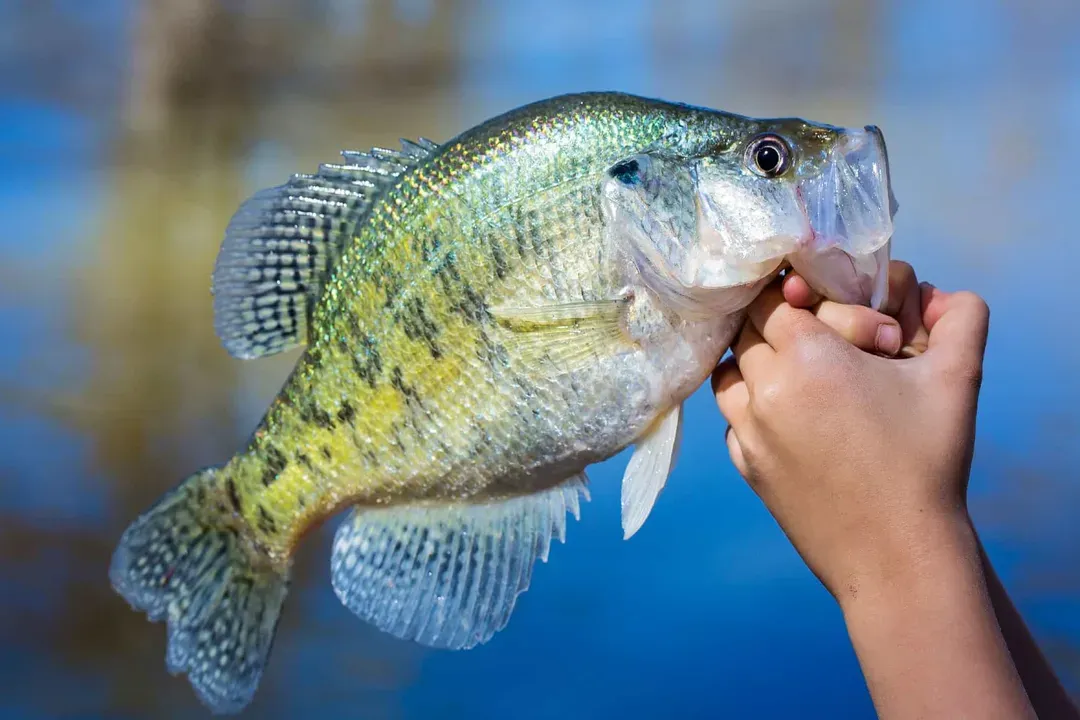
What larger prey do juvenile white crappie actively target during their critical dietary shift?
Small aquatic insects and scuds
As white crappie transition into their juvenile phase, generally surpassing an inch in length, their physical structure allows for the consumption of larger targets, and their energy requirements increase substantially. This growth phase initiates a vital dietary shift, moving them away from a sole reliance on pure zooplankton. They begin to actively seek out bigger prey items, specifically targeting larger aquatic insects, alongside small crustaceans such as aquatic insect larvae and small amphipods, commonly known as scuds. Successfully navigating this transition phase is crucial, as it typically results in a rapid growth rate heading into the summer months, marking the development of a more predatory feeding nature.