White Crappie Facts
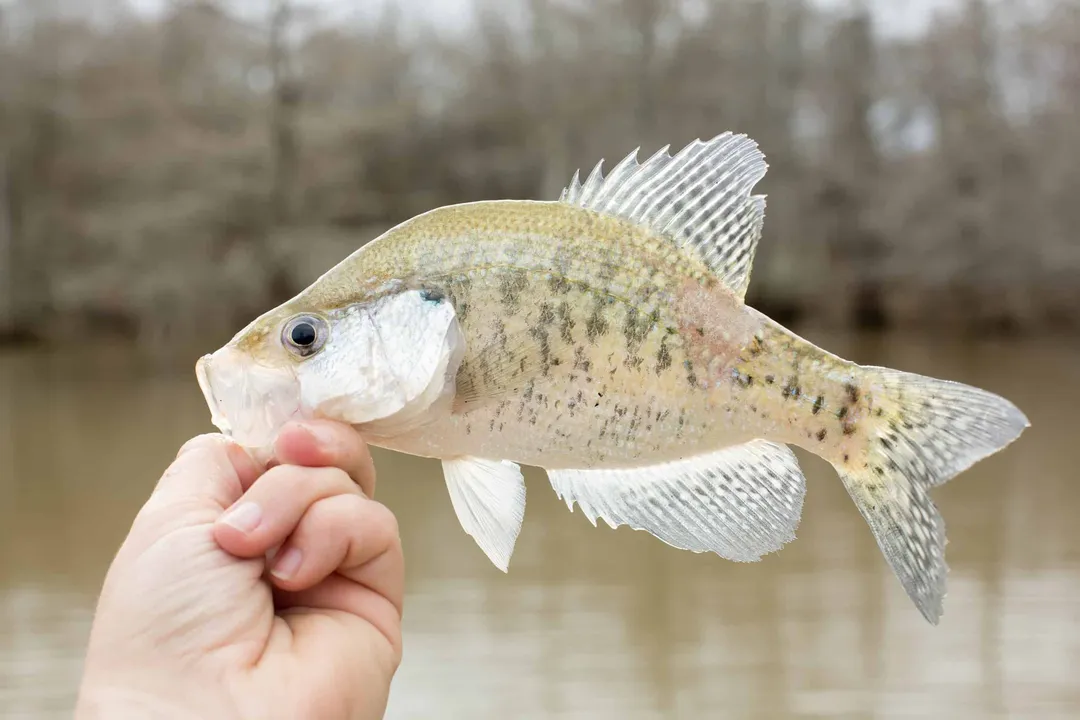
The White Crappie, scientifically designated as Pomoxis annularis, is one of North America's most sought-after panfish, yet it often plays second fiddle in popularity to its close relative, the Black Crappie. [2][10] Understanding this silvery battler requires looking past simple size comparisons and delving into the subtle characteristics that define its existence in the water. [1][5]
# Identity Basics
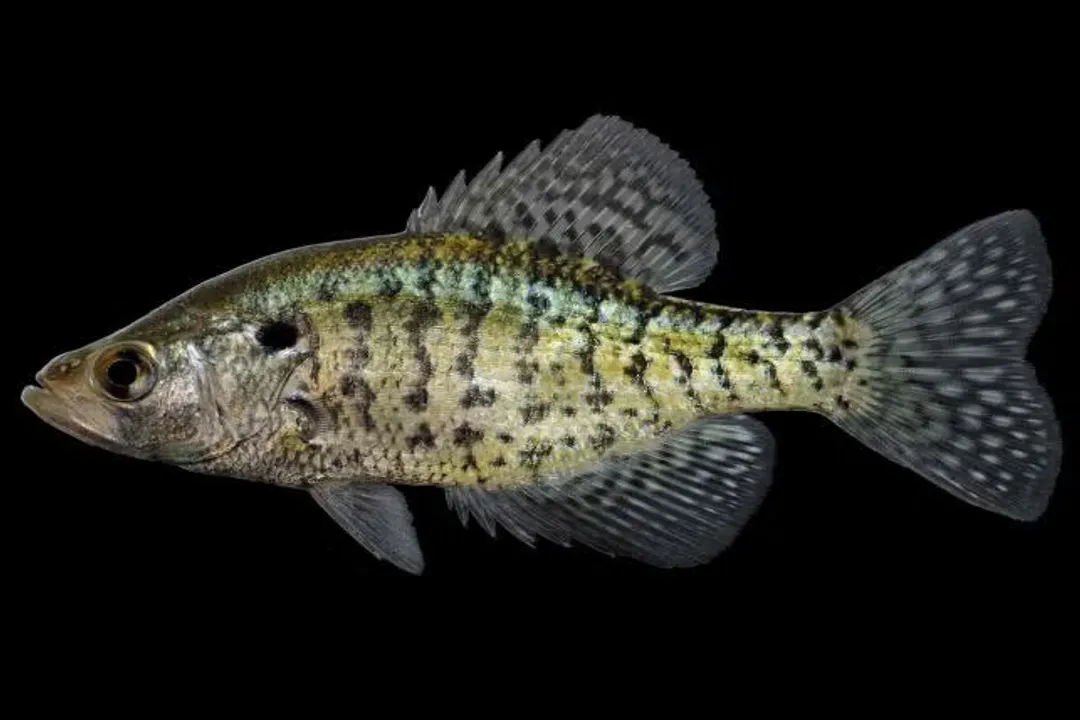
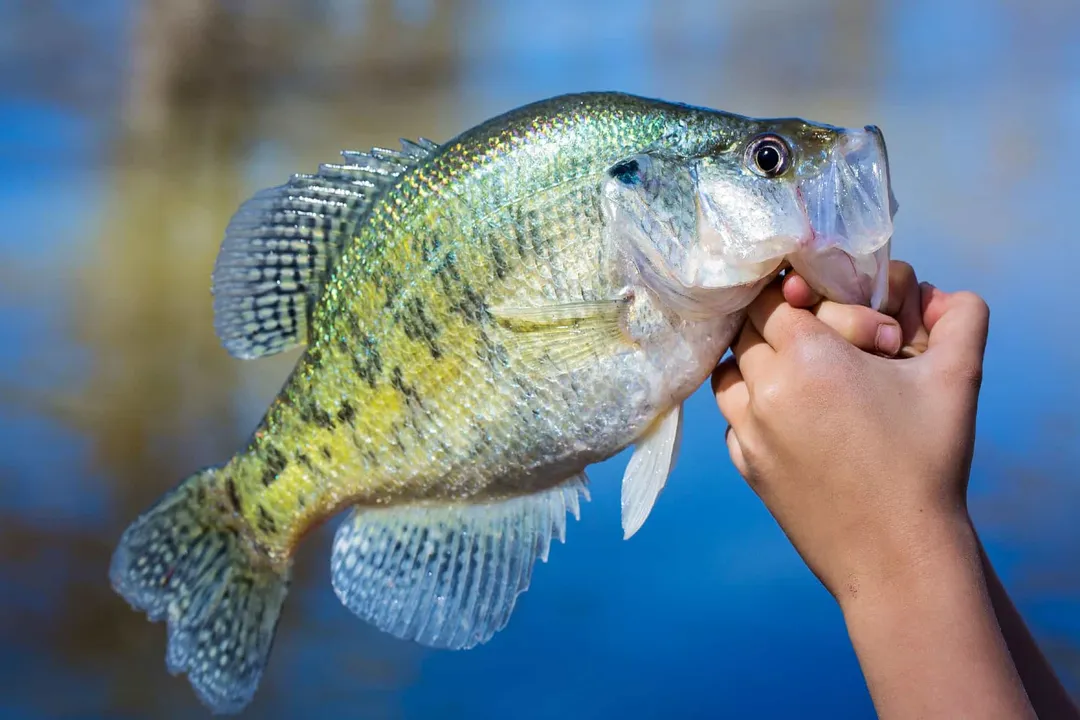
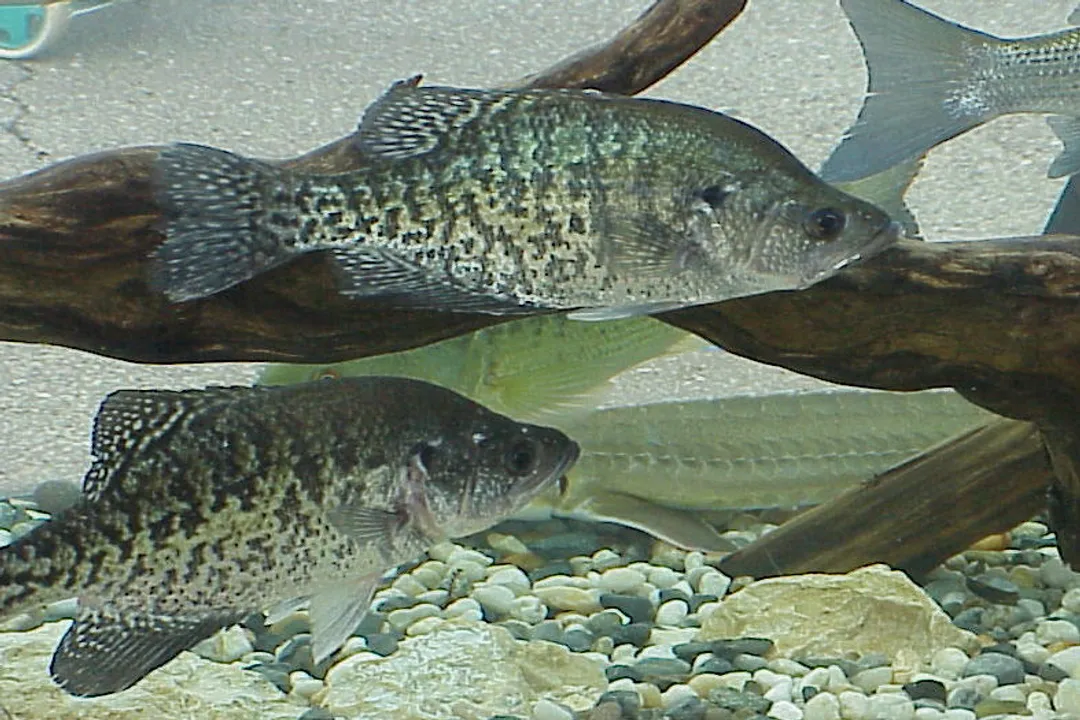
Distinguishing a White Crappie from a Black Crappie can occasionally challenge even seasoned anglers, but there are reliable markers. The most commonly cited field characteristic involves counting the spines on the dorsal fin. [10] White Crappie typically possess six dorsal spines, whereas Black Crappie usually exhibit seven or eight. [1][10] However, nature doesn't always adhere strictly to the rulebook, so combining this spine count with body shape provides a better ID. [10] White Crappie generally have a deeper, more compressed body profile than Black Crappie. [2]
Aesthetically, the White Crappie has a body color that ranges from silvery-white to pale silver. [1][5][9] While they possess markings, they are generally less distinct than those on their black counterpart. Their pattern consists of faint, irregular, vertical bars or mottling across the sides. [1][5][9] If you look closely at the eye, it is often described as having a reddish iris. [9] For someone learning to differentiate the two species quickly on the water, focusing on the body profile—the White Crappie tending toward a taller, more disk-like shape—can be a useful mental shortcut when the spine count is ambiguous or hard to see under low light. [1][2]
# Habitat Needs
White Crappie have a distinct environmental preference that often dictates where anglers find them. Unlike Black Crappie, which generally prefer clearer water, White Crappie show a greater tolerance for turbid or murky conditions. [3][5][9] This tolerance for cloudier water means they can thrive in systems where Black Crappie might struggle, offering a distinct ecological niche within the same watershed. [3] They are naturally inhabitants of the Mississippi River basin, the Great Lakes basin, and the drainages along the Atlantic Gulf slope. [2][4][7][9] These fish are widespread, often found in large river systems. [4]
Their ideal environment includes relatively slow-moving or still water bodies such as large lakes, reservoirs, ponds, and sluggish rivers. [1][5][9] Structure is paramount; White Crappie congregate near submerged cover, which can include brush piles, fallen timber, aquatic vegetation beds, and beneath man-made structures like docks. [1][5][9] They are often found suspended above the bottom, preferring areas that offer protection from predators and a staging point for feeding. [1]
It is worth noting their ecological impact when introduced outside their native range. In some non-native settings, the White Crappie has been classified as an invasive species due to its ability to establish large, self-sustaining populations. [4] This highlights their adaptability, especially when paired with their tolerance for slightly lower water quality compared to other sunfish species. [3][4]
# Feeding Habits
White Crappie are primarily carnivorous, adapting their diet based on what is most abundant in their immediate surroundings. [1][5][6] As juveniles, they rely heavily on plankton, specifically zooplankton, as their main food source. [1][5] As they mature, their diet shifts to encompass larger prey items. [5][6]
The staple adult diet typically includes aquatic insects, small crustaceans like crayfish, and small fish. [1][5][6] Given their schooling nature, they can create localized feeding frenzies when an opportunity arises, often targeting schools of minnows or swarms of insects near the surface or along structure. [1]
An interesting aspect of their feeding strategy is their reliance on visual cues due to their preference for slightly murkier waters compared to Black Crappie. [3] While they rely on sight, their behavior suggests they are effective at finding food even when visibility is limited, pointing to highly developed senses for detecting movement or vibrations in the water column. [5] This makes them efficient predators in the slightly less clear environments they favor. [9]
# Life Cycle
The reproductive cycle of the White Crappie is highly dependent on water temperature, initiating the spawning process typically in late spring or early summer. [1][5] When water temperatures consistently reach the range of 62 to 70 degrees Fahrenheit, they move into the shallows to prepare for nesting. [1][5]
White Crappie exhibit parental care, a trait common among many sunfish. The males take on the primary role of nest construction and defense. [1][5] The nest itself is usually not a meticulously built structure but rather a shallow scrape or depression dug into the substrate, often on gravel or sand, near submerged cover or vegetation. [1][5] Once the female deposits her eggs, the male guards the nest until the eggs hatch. [5]
The resulting fry are small and vulnerable, and their survival rates are significantly influenced by the abundance of available cover and the initial food supply. [1] Size and lifespan are variable based heavily on environmental conditions, including food availability and population density. While they have the potential to reach lengths exceeding 18 inches and weights over five pounds, most individuals caught by anglers will be significantly smaller. [1][5] A typical White Crappie might live for seven to ten years, though under optimal conditions in fertile waters, some individuals can persist for longer periods. [5]
# Fishery Role
The White Crappie is designated as a popular sport fish across many of its native states. [5][10] Their willingness to bite, combined with their strong fight for their size, makes them an exciting catch for recreational anglers. [5] Furthermore, their flavor is highly regarded, often placing them among the preferred table fare available to freshwater anglers. [5]
Management strategies vary slightly from state to state, reflecting local population dynamics and angler demand. [7][10] In places like Illinois, biologists note that White Crappie populations often fluctuate with water quality, sometimes booming in years following high water levels or specific environmental conditions. [3] Because they are prolific breeders, they can sometimes overpopulate in small ponds, leading to stunted growth—a situation where anglers are actually encouraged to harvest more fish to promote better average size for the remaining population. [1][5] Managing these populations involves maintaining a healthy balance between reproduction rates and harvest rates to ensure sustained quality fishing. [7] Their presence in a lake, especially where water clarity is lower, often serves as a strong indicator of a productive, albeit turbid, ecosystem. [3][9]
Related Questions
#Citations
White Crappie Fish Facts - Pomoxis annularis - A-Z Animals
White crappie - Wikipedia
white crappie - Illinois Department of Natural Resources
Pomoxis annularis - Smithsonian Institution
White Crappie: Fish Description & Facts - WVDNR
Pomoxis annularis - White crappies - Animal Diversity Web
White Crappie - Fish Species - Iowa DNR
Species Profile - Pomoxis annularis
White Crappie | Missouri Department of Conservation
White Crappie | NC Wildlife