White Crappie Locations
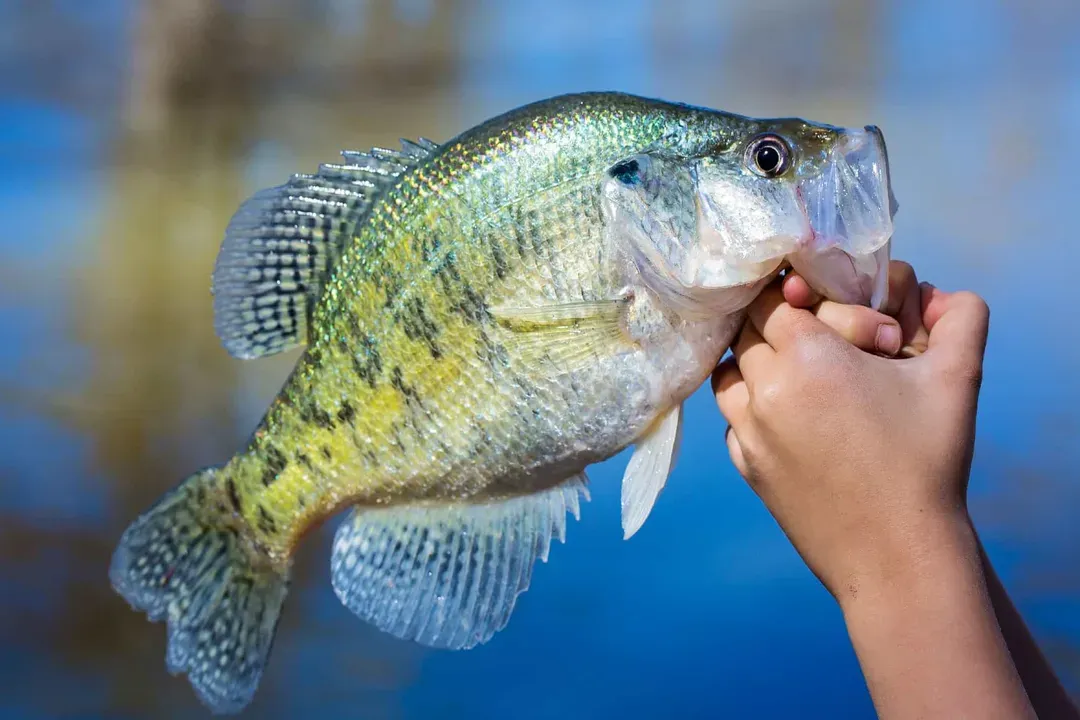
White Crappie, often sought after for their flaky white meat and their tendency to congregate in large schools, present an engaging target for freshwater anglers across their extensive range. Understanding where to find these members of the sunfish family requires moving beyond a single map; it demands an appreciation for their preferred environments, which tend to favor slightly warmer and clearer waters compared to their Black Crappie cousins. Anglers seeking these fish generally concentrate their efforts around structures and cover in moderate to large bodies of water, looking for the conditions that signal a good ambush spot.
# Habitat Preferences
The foundation of locating White Crappie lies in understanding their general environmental needs. The United States Geological Survey (USGS) notes that White Crappie distribution generally spans a significant portion of the central and eastern United States. This wide distribution means that local conditions dictate the exact spot an angler should focus on.
White Crappie favor lentic environments—slow-moving or still waters—like lakes, ponds, and slow sections of rivers. A key differentiator often cited is their tolerance for water clarity. While both crappie species like structure, White Crappie tend to thrive in waters with greater clarity than Black Crappie, although extremely clear, oligotrophic waters might not hold the highest densities. They are known to inhabit water temperatures between and Fahrenheit during the summer months, and their presence is often correlated with vegetation, submerged trees, or artificial structures.
When scouting a new body of water, consider this simple triage:
- Water Clarity: Is the water relatively clear, allowing some light penetration? If yes, White Crappie are a strong possibility.
- Structure Density: Are there standing timber, brush piles, submerged weed lines, or dock pilings? These are critical ambush points.
- Depth Association: During non-spawning periods, they often suspend in open water, hovering over drop-offs or the tops of submerged humps, sometimes hundreds of fish moving as a single unit.
It's worth noting that while they prefer relatively clear conditions, they will move into stained water based on season or immediate food availability, making consistent location scouting vital. Analyzing local conditions—such as recent rainfall affecting turbidity or seasonal thermoclines affecting depth—can significantly refine your search away from generic structure.
# Geographic Presence
The native range of the White Crappie extends from the Great Lakes drainage south through the Mississippi River Valley to the Gulf Coast, and west to the eastern slope of the Rockies. However, stocking efforts have introduced them far beyond this historical boundary, making localized reports valuable.
In states like New York, for instance, the Department of Environmental Conservation (DEC) provides guidance on fishing for crappie, indicating their presence in various lakes and reservoirs across the state. Looking at specific data sources, information compiled for fishing apps highlights areas within New York where anglers report success, such as certain sections of the St. Lawrence River or larger inland reservoirs. This localized data, cross-referenced with general biological distribution maps from agencies like the USGS, shows that while they are biologically equipped for the northern climate, their catchable populations are often concentrated in the larger, deeper, or more thermally stable water bodies within those regions.
A reader browsing data aggregators might see a map showing potential locations, but the real expertise comes from recognizing why those spots hold fish. For example, a section of a lake identified as a "hotspot" might simply be the only area with extensive submerged hardwood debris remaining after initial flooding, offering stable cover that older, larger crappie prefer.
While many sources discuss general distribution, specific community reports, even those potentially tied to virtual angling environments, sometimes point toward specific structures in certain regions. For example, some discussions concerning crappie locations mention specific underwater features or submerged structures within smaller, known fishing areas, suggesting that small, tight cover can hold large numbers of fish even if the lake overall is vast. It requires an angler to translate those generic structural descriptions into real-world coordinates based on local charts.
# Seasonal Shifts
The location of White Crappie is rarely static; it cycles heavily with water temperature and reproductive needs. Understanding this cycle is perhaps the single most important factor for locating them consistently throughout the year.
# Pre-Spawn and Spawning
As spring approaches and water temperatures begin to warm, White Crappie become highly predictable. They move toward shallower water, generally between 5 and 15 feet deep, preparing to spawn. Look for them near shorelines, especially around sheltered bays, coves, or creek channels that warm up faster than the main lake body. They favor spawning sites with firm bottoms, often near visible structure or aquatic vegetation. During this time, they are concentrated and highly susceptible to artificial lures and small jigs.
# Post-Spawn and Summer Hangouts
Following the spawn, the fish scatter but generally retreat to deeper, cooler water or areas offering dense shade during the heat of the day. In summer, anglers often find success targeting offshore structure—submerged humps, creek channel edges, or deep weed lines that offer a stable temperature break.
A good tip for summer scouting involves paying attention to thermoclines if the water body is deep enough. White Crappie often suspend just above this layer where oxygen levels are good and the temperature is stable, even if it means being suspended 20 or 30 feet over 50 feet of water. If you are marking fish on electronics but they are too deep to be effectively targeted with common methods, they are likely suspended over a feature rather than resting directly on the bottom, which is a common mistake when first learning to target them offshore.
# Fall and Winter Concentration
As autumn cools the water, crappie often move back toward deep structure near the main lake basin, grouping up tightly as they prepare for winter. In winter, they seek out the deepest structure available—old river channels, deep brush piles, or established fish cribs—where the water remains the most thermally stable environment in the lake. Finding one cluster in winter usually means finding many, as they school up densely when it is cold.
# Targeting Techniques
While this article focuses on where they are, how you approach that location is intrinsically linked to success. Information on fishing for crappie often highlights jigs and minnows as primary baits, emphasizing that presentation is key once a school is located.
For instance, when targeting fish near vertical cover like dock pilings or standing timber in relatively shallow water, a slow, vertical jig presentation is often recommended. If the fish are suspended offshore, trolling very slowly with multiple lines rigged with jigs or crankbaits set at varying depths can effectively cover water until you encounter a school.
One overlooked aspect of location-based success is the "edge effect." Whether you are fishing a vegetation line or a submerged stump field, the most aggressive fish often position themselves right on the perimeter of the cover, ready to dart out for passing forage. Casting slightly past the structure and retrieving over or through the edge, rather than directly into the center of the thickest cover, often yields better results, especially when water clarity is good and the fish are naturally more wary.
Furthermore, when you locate fish using modern sonar, remember that White Crappie are notorious for relating to specific depths, often within a few feet of each other, even when suspended. If your first few jig drops at, say, 14 feet don't connect, systematically adjust your depth by two feet shallower and two feet deeper. This targeted depth adjustment, rather than just changing lure color, can immediately place your bait in the strike zone, especially when they are grouped tightly in open water during the summer months.
The following table summarizes typical location preferences based on season, drawing from biological understanding and angling reports:
| Season | Typical Depth Range (Feet) | Preferred Structure/Location | Behavior Note |
|---|---|---|---|
| Spring (Pre-Spawn) | 5 - 15 ft | Sheltered bays, shallow creek channels, brush near warming banks | Highly concentrated, moving shallow to spawn |
| Summer | 10 - 40+ ft (Suspended) | Offshore humps, deep weed lines, main lake creek channels | Relate to thermocline, ambush feeders |
| Fall | 10 - 30 ft | Transition zones, deeper cover near main lake areas | Schooling begins, gathering for winter |
| Winter | Deepest available | Standing timber, deep brush piles, creek channel bottoms | Tightly schooled, seeking thermal stability |
When viewing videos that demonstrate specific techniques, notice how the angler adapts the lure size or color based on the structure they are approaching—a shallow brush pile might call for a small, brightly colored jig, whereas a deep, clear-water suspension might demand a subtle presentation or a natural-colored minnow. The location dictates the approach, which in turn dictates the required bait profile. Access to good information, whether official state reports or detailed video analysis, helps translate known habitats into actual catch locations.
#Videos
Hotspot Guide: White Crappie | Call of the Wild: theAngler - YouTube
How to catch a DIAMOND WHITE CRAPPIE | The Angler - YouTube
Related Questions
#Citations
Fishing For Crappie - NYSDEC
Hotspot Guide: White Crappie | Call of the Wild: theAngler - YouTube
White Crappie (Pomoxis annularis) - Species Profile
White Crappie Fishing in New York — Page 2 - Windy.app
White Crappie - Fishing Planet Wiki
White Crappie - Fish Species - COTW - The Angler Wiki
Where are the White Crappie at? : r/COTWTheAngler - Reddit