What genetic outcome occurs if two hairless Xolos, both carrying the recessive allele, reproduce?
Answer
They can produce a coated puppy
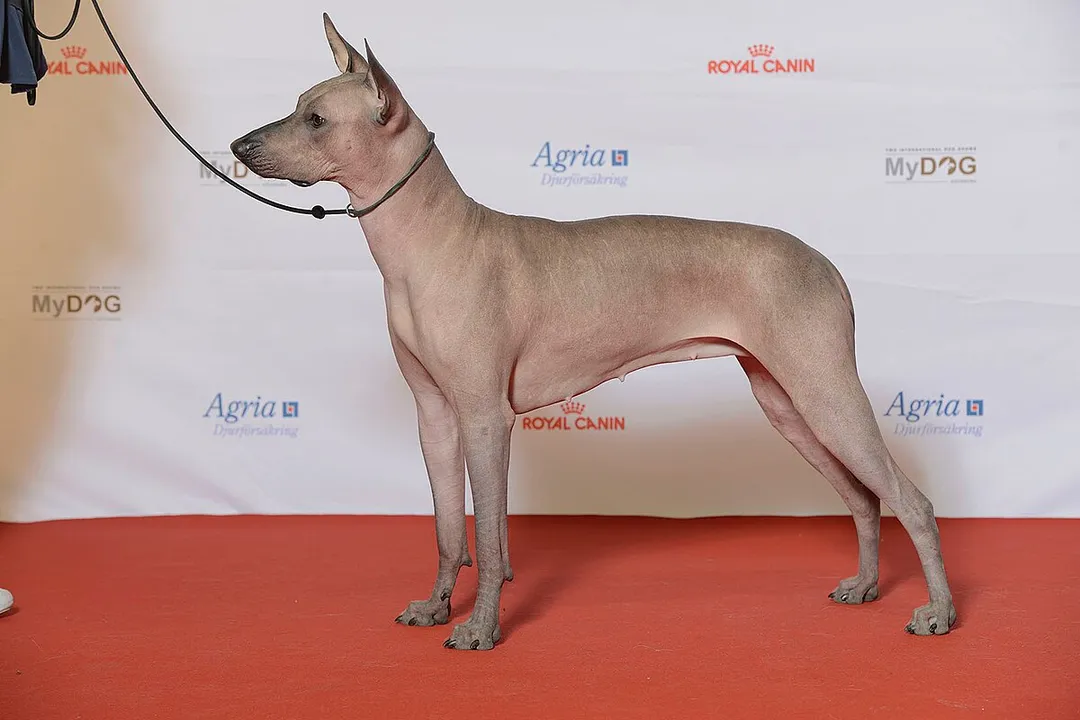
The genetic reality of the Xoloitzcuintli involves one dominant allele responsible for hairlessness and a recessive allele that results in the presence of hair. When both parents are phenotypically hairless, they must still carry the recessive allele for hair in their genotype to maintain the genetic diversity necessary for breed health. If both parents happen to contribute this recessive allele to their offspring, the resulting puppy will inherit two copies of the gene for hair, thus exhibiting the coated phenotype. Therefore, two hairless dogs can indeed produce a puppy with a short, smooth coat over its entire body, demonstrating the recessive nature of the coat trait.
Related Questions
What is the inheritance pattern of the FOXI3 gene variant causing Xolo hairlessness?What dental anomaly is linked to the FOXI3 gene variant in Xolos besides hairlessness?Which Aztec god, associated with lightning and death, is the Xoloitzcuintli named after?What practical, physical ailment did indigenous people use the Xolo's heat retention to alleviate?What happened to the Xoloitzcuintli population following the Spanish Conquest of Mexico?Which instrumental figure helped establish breed standards during the Xolo's 20th-century revival?What are the three distinct size classifications recognized within the modern Xoloitzcuintli breed standard?What genetic outcome occurs if two hairless Xolos, both carrying the recessive allele, reproduce?What is required for hairless Xolos during intense, direct summer sun due to their lack of insulation?According to the comparison table, what was the Primary Ancient Use listed for the Peruvian Inca Orchid?