Xoloitzcuintli Evolution
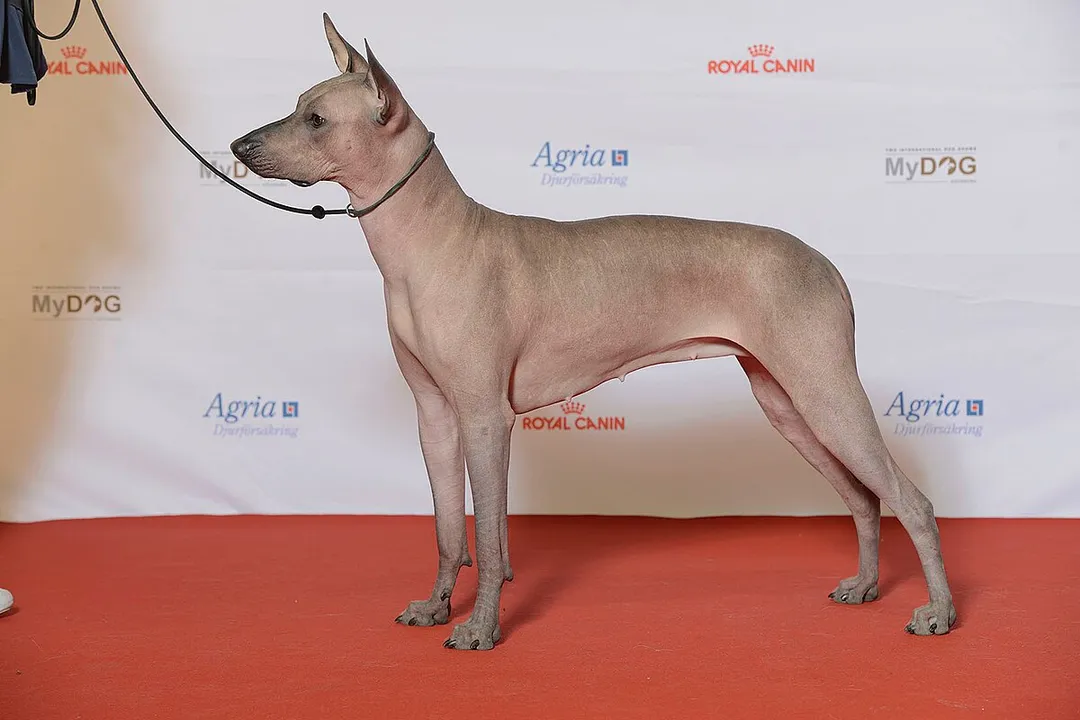
The Xoloitzcuintli, often affectionately called the Xolo, is a living artifact whose evolution spans millennia, deeply intertwined with the civilizations of Mesoamerica. To understand the Xolo is to trace a lineage that predates many established modern dog breeds by thousands of years, making its story not just one of canine biology, but of cultural endurance. [4][8] Its most striking feature, the near-total absence of hair, is the result of a specific, dominant genetic mutation that became fixed in the population across ancient Mexican cultures. [9] This evolutionary path began long before written history was widely recorded, suggesting a domestication event or selective breeding process unique to the region. [1]
# Ancient Origins
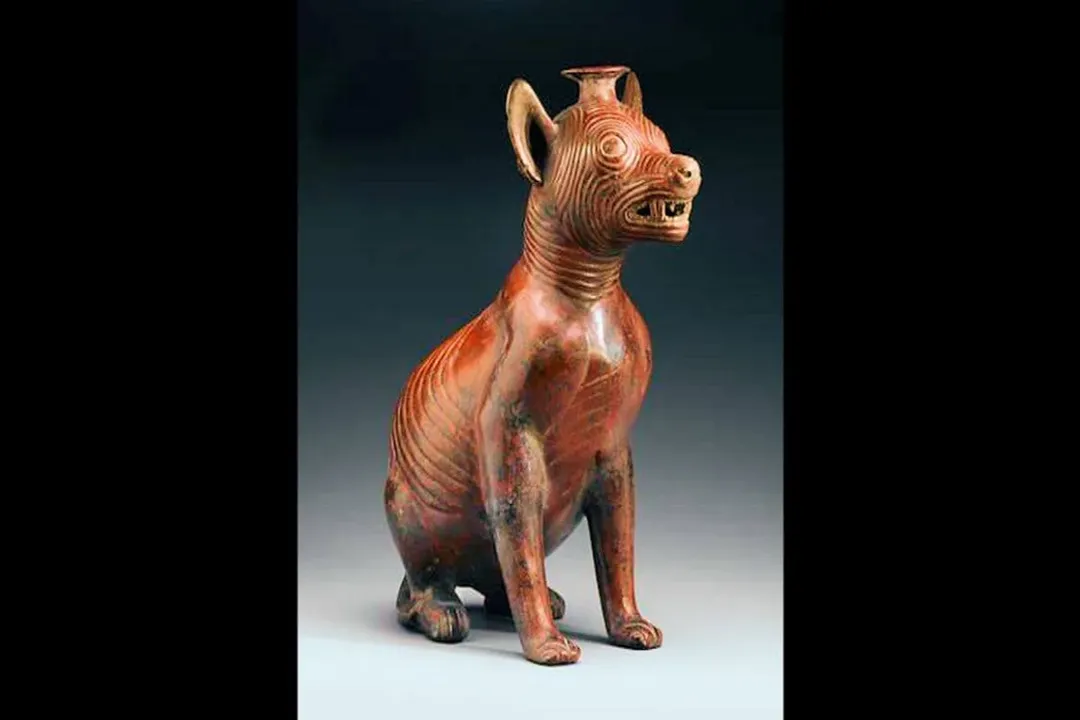
The Xoloitzcuintli’s ancestry stretches back at least 3,000 years, with evidence suggesting connections to Neolithic life in the Americas. [1][8] Archaeological findings, particularly skeletal remains, place these dogs in ancient Mexican burials, indicating their importance extended far beyond mere utility. [2][5] The breed is considered one of the oldest and most indigenous dog types remaining in the world today, with its origins rooted firmly in the cultures that flourished long before European contact. [4][7] Some researchers suggest the Xolo was present in the region as early as 1000 B.C.. [1]
While the exact initial divergence from ancestral wolves remains a subject of scientific study, the Xolo represents an ancient branch of the Canis familiaris tree that developed in isolation within the Americas. [9] Unlike many European breeds whose evolution was often documented through royal kennels or specific agricultural needs, the Xolo’s development seems intrinsically tied to spiritual and practical roles within Aztec and Mayan societies. [5][7]
Comparing the historical context, we see a divergence from many Old World dogs. While dogs in Europe and Asia were often selected for hunting, guarding livestock, or draft work, the Xolo’s selective pressure appears to have heavily favored its unique coat characteristic and perceived mystical properties. [4] This specialization allowed it to persist as a distinct type through major cultural shifts. [8]
# The Genetic Marker
The defining characteristic of the breed, hairlessness, is not a recent development but a core element of its ancient makeup. [1] This trait is caused by a specific genetic anomaly: the presence of the FOXI3 gene variant, which is inherited in an autosomal dominant manner. [9] This means that a dog only needs one copy of the gene from a parent to be hairless. [9]
The genetic mechanism is fascinating because it is not solely responsible for the hairlessness but is also linked to dental anomalies, specifically the absence of certain teeth, which is a common finding in Xolos. [9] The incomplete set of teeth, often including premolars, is characteristic of the breed, although the severity can vary. [2][9] Interestingly, the gene variant that causes the hairlessness is also linked to the condition known as hypodontia (fewer teeth than normal). [9]
The population genetics present a compelling area of study. Since the breed survived for so long in a relatively closed geographic and cultural area, its gene pool experienced periods of severe constriction. This historical bottleneck, intensified by periods of cultural suppression, means the modern Xolo population, even after deliberate re-establishment, carries a very specific and reduced genetic profile compared to breeds with broader global origins. [1][4] This high level of genetic relatedness presents unique challenges and opportunities for breed conservation and health monitoring moving forward.
# Cultural Significance
In ancient Mesoamerica, particularly among the Aztecs, the Xoloitzcuintli was revered, holding a status that transcended that of a simple pet. [5][7] The name itself is derived from the Aztec god of lightning and the god of death, Xolotl. [2][5] The Xolo was believed to possess mystical powers, acting as a spiritual guide for the departed souls through the underworld, Mictlán. [5][7] This spiritual mandate often meant that Xolos were sacrificed and buried with their masters to ensure safe passage into the afterlife. [5]
Beyond the spiritual realm, the breed served practical, albeit unique, purposes. Because of their lack of insulating fur, their skin retains heat, making them highly valued as living heating pads. [5][7] Indigenous people reportedly used them to alleviate the aches and pains of arthritis and rheumatism. [7] This practical application contrasts sharply with the high ceremonial status, demonstrating a duality in their perceived value. [5]
The Xolo also came in two primary forms recognized by the ancient cultures: the hairless variety and the coated variety, though the hairless was generally preferred for its spiritual significance. [8] Even today, the coated Xolo, which carries the same genetic background but expresses the recessive trait for hair, is recognized within the breed standard. [2][3]
Here is a brief summary of the Xolo's historical context compared to another ancient American breed:
| Trait | Xoloitzcuintli | Peruvian Inca Orchid |
|---|---|---|
| Origin Region | Mexico | Peru |
| Primary Ancient Use | Spiritual Guide, Heat Therapy | Possible Companion, Possible Food Source |
| Coat Variation | Hairless (Dominant) and Coated (Recessive) | Hairless (Dominant) and Coated (Recessive) |
| Cultural Association | Aztec God Xolotl | Ancient Peruvian Civilizations |
| Modern Recognition | AKC: Fully Recognized (2011) | FCI: Recognized |
# Near Extinction and Revival
Following the Spanish Conquest of Mexico, the indigenous cultures that revered the Xolo were devastated, and with them, the status and population of the dog declined sharply. [1][8] The breed nearly vanished as its religious significance was suppressed and its numbers dwindled. [1] For centuries, the Xolo existed in small, isolated pockets, often kept by rural and indigenous peoples, away from the major centers of modernization. [4]
The breed’s survival into the modern era is largely attributed to dedicated preservation efforts beginning in the early 20th century. [8] Figures like Frances H. Hernandez were instrumental in collecting, promoting, and documenting the remaining dogs, helping to establish the first breed standards. [1] The American Kennel Club (AKC) officially recognized the Xoloitzcuintli in 2011, placing it in the Non-Sporting Group, a significant milestone for a breed whose existence was once threatened. [1][3] The Xoloitzcuintli Club of America (XCA) plays a vital role in maintaining the integrity of the breed standard through careful breeding and health screening. [3]
This revival process required careful selection to ensure that the dogs used for re-establishing the breed carried the true ancestral markers. [4] The foundation stock had to be sourced from remote regions where the dogs had remained relatively untouched for generations. [8]
# Modern Classification and Types
Today, the Xoloitzcuintli is recognized internationally, though it is still considered relatively rare outside of Mexico and North America. [2] Within breed standards, there are three distinct size classifications for the Xolo: Standard, Miniature, and Toy. [2][3] All three sizes share the same breed characteristics and are judged together, differing only in height. [3]
Furthermore, breeders and enthusiasts must account for the variation in coat type:
- Hairless: The most common and recognized type, possessing smooth, warm skin. [2]
- Coated: Bears a short, smooth coat of hair over the entire body. [2] Genetically, the coated Xolo is simply one that inherited the recessive gene for hair, meaning two hairless Xolos can produce a coated puppy if both carry the recessive allele. [9]
A practical consideration for owners of the hairless variety relates directly to their evolutionary lack of insulation. While their warm skin is beneficial in moderate climates, owners in areas experiencing extreme temperature swings need to be mindful of environmental protection. For instance, intense, direct summer sun requires protective measures, as the skin, unshaded by a coat, can easily suffer sunburn, just as human skin would. [7] Conversely, attempting to keep a Xolo active outdoors during prolonged freezing temperatures without adequate protection risks discomfort and potential harm, as they simply cannot retain core heat effectively without their natural fur layer. [4] This inherent physical difference from the majority of the canine world requires a slight adjustment in husbandry that reflects their unique adaptation.
# Endurance and Identity
The Xoloitzcuintli’s entire evolutionary narrative—from ancient deity companion to near-extinction to modern AKC recognition—speaks to an incredible tenacity. [1][4] Their adaptation to the hot, sometimes harsh, environments of pre-Columbian Mexico resulted in a dog that is hardy in many ways, yet distinctly vulnerable in others due to the very trait that defines it. [7]
The continued dedication of breeders and enthusiasts is focused on preserving the type—the elegant, often aloof, yet deeply loyal temperament—while simultaneously ensuring genetic health and diversity within the recognized sizes and coat varieties. [3] The Xolo stands as a powerful symbol of Mexican heritage, a genuine link to a distant past that continues to walk alongside us today. [5][8] It is a testament to how a single genetic shift, when embraced by a culture, can define a breed's history for thousands of years. [9]
Related Questions
#Citations
Xoloitzcuintli History: From Ancient Aztec Dog to Loving Companion
Xoloitzcuintle - Wikipedia
About Xolos - Xoloitzcuintli Club of America
From Wolves to Wonders: The Enigmatic Evolution of the Xoloitzcuintli
The Xoloitzcuintli: The Beloved Dog of Mexican Culture - Blog Xcaret
Ancient xoloitzcuintli dog breed history - Facebook
Mexico's Legendary Xoloitzcuintli, the Hairless Dog | NMAI Magazine
Origins and History of the Xoloitzcuintli - Showsight Magazine
Pre-Columbian origins of Native American dog breeds, with only ...