What evolutionary purpose does the metallic dark blue or green coloration on the Wahoo's dorsal side serve?
Answer
It serves as effective camouflage in sun-dappled open water
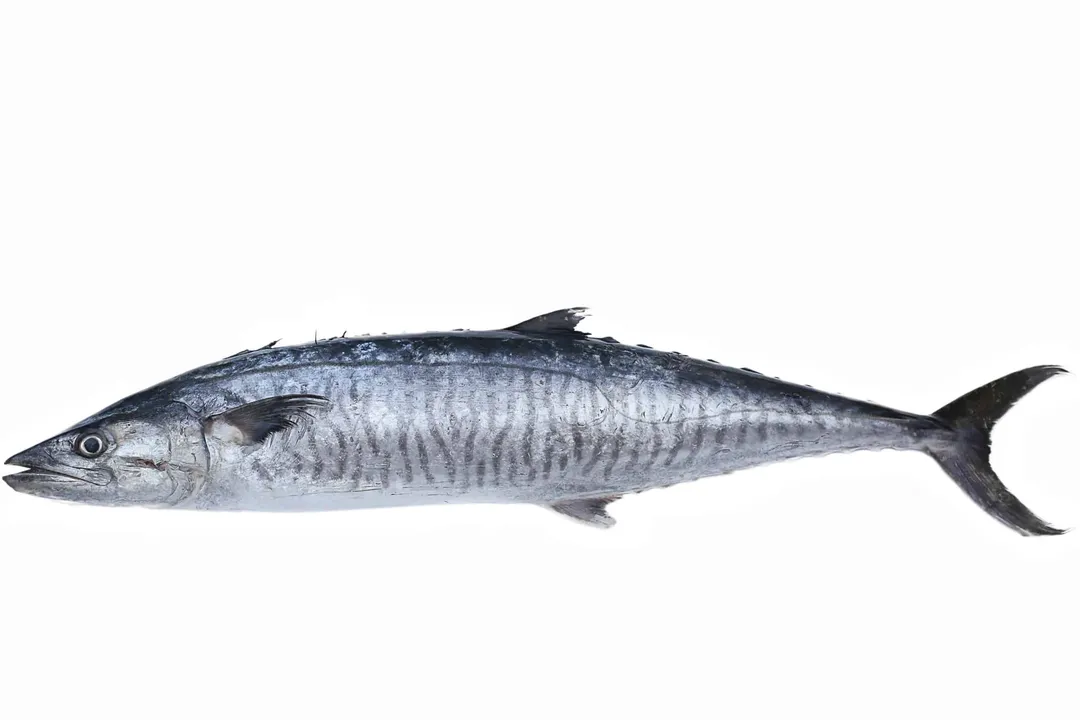
The Wahoo’s coloration, which features metallic dark blue or green on its upper side fading to silver flanks, acts as vital camouflage within the epipelagic zone. In the sun-dappled, shifting light of the open ocean, this coloration helps the fish blend into its surroundings, making it difficult for both prey and larger predators to detect it. This disruptive coloration is a key evolutionary trait for a high-performance predator that operates in the featureless, well-lit surface waters of the ocean, where concealment is essential for successfully ambushing prey and avoiding larger threats.
Related Questions
To which biological family does the Wahoo fish belong?What maximum speed has the Wahoo been reliably clocked at during short sprints?What describes the genetic relationship between Wahoo populations in the Atlantic and Pacific Oceans?What term refers to the elongated body shape of the Wahoo that minimizes water drag?What is the typical lifespan range for a Wahoo?What primary mechanism does the Wahoo use for hunting and defense?How does the body design of the Wahoo compare to that of the King Mackerel?What is the primary function of the Wahoo's sharp teeth?What evolutionary purpose does the metallic dark blue or green coloration on the Wahoo's dorsal side serve?When does the spawning process typically occur for the Wahoo in the open ocean?