Wahoo Fish Facts
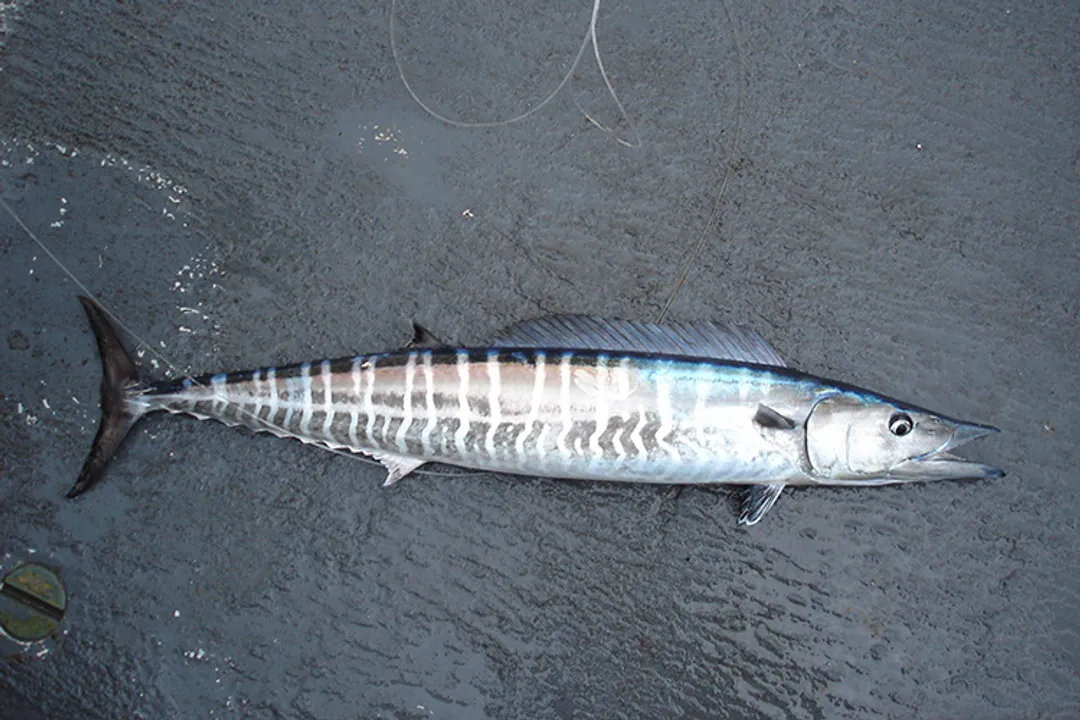
The Acanthocybium solandri, a fish known by many names depending on geography, is instantly recognizable to those who pursue it for sport or cuisine. In the islands of Hawaii, this magnificent creature is called Ono, a word that happily translates to "good to eat". Elsewhere, it might be referred to as Hoo in parts of the United States, Peto in Mexico, or even Queen Fish. Though it shares a family with mackerels and tunas—the Scombridae family—it maintains distinct characteristics that set it apart from its close cousins.
# Physical traits
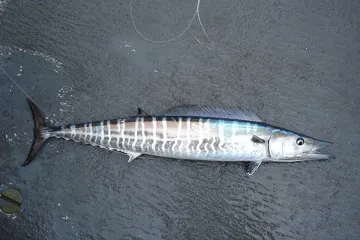
The wahoo possesses a body built for pure, unadulterated speed, often described as elongated or torpedo-shaped. Its coloration is perhaps its most famous visual marker, featuring a shimmering, iridescent blue or green back that contrasts sharply with silvery sides adorned with striking, irregular vertical blue bars, giving it a distinct "zebra-like" pattern. It is important to note that this brilliant camouflage is fleeting; these colors fade rapidly after the fish dies, making immediate care crucial for anyone hoping to document the catch properly. The jaws are noteworthy, forming an almost beak-like snout filled with teeth that are consistently described as razor sharp and serrated, designed for efficiently slicing prey. Unlike the king or Spanish mackerel, the wahoo has a fold of skin that covers its mouth when closed, which serves as a reliable identification feature for anglers. Physiologically, the wahoo is somewhat an outlier among top-tier speedsters; it lacks the ability to regulate its body temperature, relying instead on sheer power and its streamlined structure to achieve remarkable velocity in the open ocean.
# Maximum Velocity
The reputation of the wahoo in the world of sport fishing is heavily tied to its incredible bursts of speed and the hard, long initial run it makes when hooked. It is universally regarded as one of the ocean's fastest inhabitants. While some sources cite speeds up to 60 mph, others offer a slightly more conservative, yet still blistering, average speed of around 48 mph. This speed is backed by its physical form, including blade-like fins that help it power through the water. The necessity of speed is evident in its fishing methods; captains often successfully troll lures at high speeds, sometimes between 10 and 17 knots, to elicit a strike. Considering the sheer mass some wahoo achieve—with specimens recorded over 180 pounds—to achieve even 50 mph requires an immense output of energy and raw muscle mass, especially when compared to smaller, more streamlined fish.
# Habitat Range
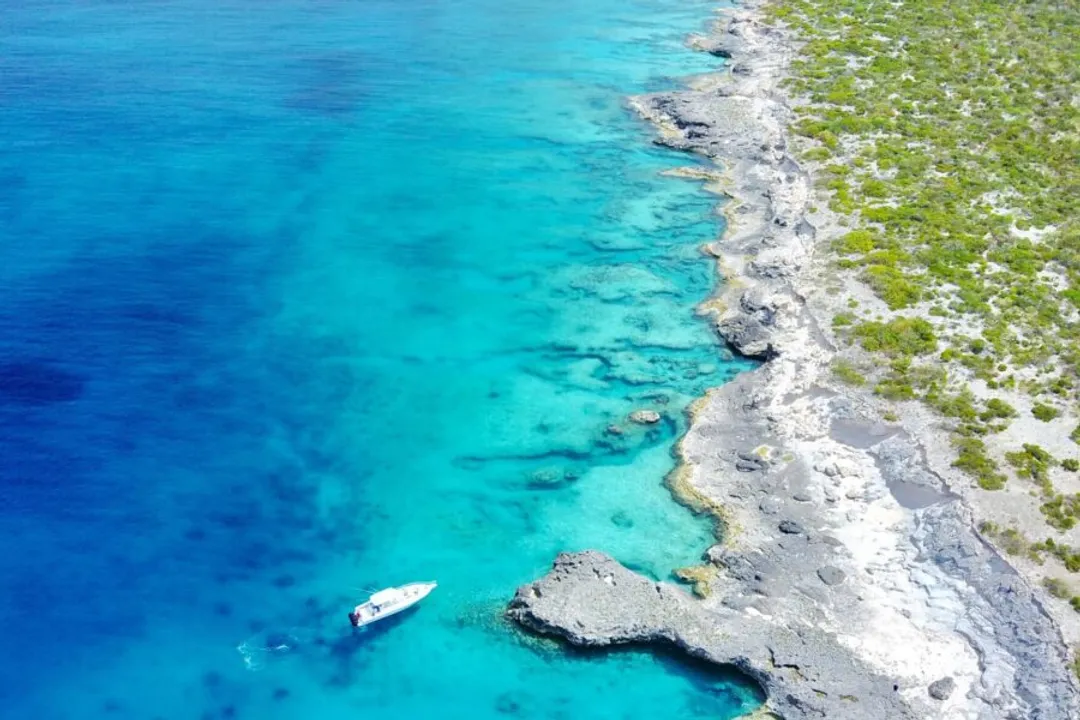
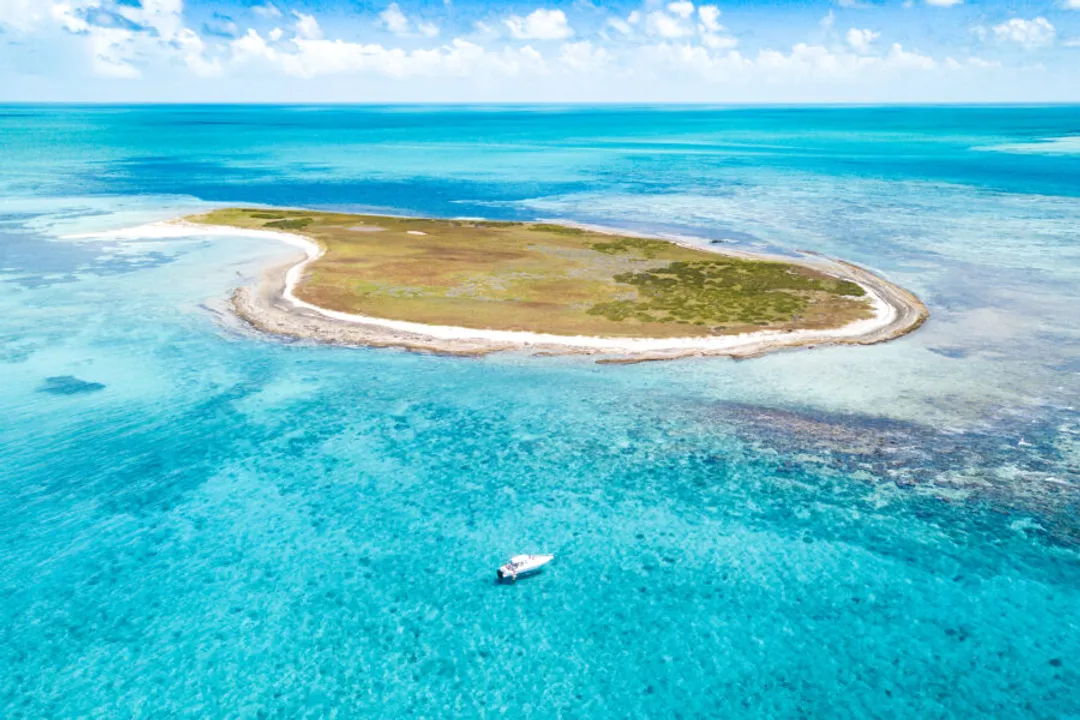
Wahoo have a truly global presence, enjoying a circumtropical distribution that spans the Atlantic, Pacific, and Indian Oceans. They inhabit tropical and subtropical latitudes year-round, but their migratory nature sees them move into temperate waters during the warmer summer months. As a pelagic species, they are creatures of the open ocean. They tend to congregate around structure, often being found near pinnacles, banks, and drifting objects like flotsam or floating debris. In terms of social structure, wahoo are usually solitary or found in very small, loose aggregations of just two or three individuals. However, this changes during spawning periods, when they can form much larger groups or schools numbering a hundred or more. In specific locales, like the Turks and Caicos Islands, they are frequently targeted near the edge of the barrier reef, often in depths around 400 feet, though they can be found down to 650 feet.
# Dietary Habits
The wahoo is an aggressive predator with a highly varied diet, necessitating constant feeding to fuel its high metabolism. Their menu is extensive and consists mainly of other fish and squid or cephalopods. Recorded prey includes various species such as tunas, little tunny, butterfish, porcupinefish, jacks, herrings, pilchards, scads, and lanternfishes. While their diet primarily centers on these larger items, one analysis from the Western and Central Pacific Ocean indicated that cephalopods made up over 14% of their intake, with crustaceans contributing about 1%. A fascinating element of their feeding strategy is that they also consume the eggs and larvae of other fish, and even filter tiny organisms like plankton directly from the water as they swim, highlighting their opportunistic nature. They use their powerful jaws and sharp teeth to bite and shear their prey into manageable pieces.

# Reproduction Cycle
Reproduction in Acanthocybium solandri is characterized by high output, a necessary compensation for the challenges faced by pelagic eggs and larvae. The species engages in broadcast spawning, a method where females release their eggs and males release sperm simultaneously into the water column, increasing fertilization success and perhaps confusing potential egg predators. Females are highly productive, capable of releasing several million buoyant eggs each time they spawn, and they can repeat this process multiple times during the spawning season. Growth is rapid; wahoo can achieve sexual maturity, reaching roughly three feet in length and around 20 pounds, within their very first year of life. The resulting larvae are pelagic, often preferring shallower waters, less than 330 feet deep, though little is known about their very early life history.
# Fishery Status
From a conservation standpoint, the wahoo is classified by the International Union for Conservation of Nature (IUCN) as "Least Concern". This status is supported by their high reproductive rate and fast growth, factors that help buffer the species against declines, even with significant fishing pressure. Wahoo are a commercially important fish, though they are rarely the primary target of large industrial fleets, often being landed as bycatch in fisheries pursuing tuna, billfish, or mahi-mahi. The U.S. recreational sector, particularly in the Atlantic, reports higher landings than the commercial sector.
Management of Atlantic wahoo is complex, involving NOAA Fisheries and several regional councils. There are four recognized Atlantic stocks, and while management measures and catch limits are in place, population assessments are not always complete. For instance, some stocks were found not subject to overfishing based on 2022 data, even though population sizes were unknown. In Hawaii, the local population is fished sustainably, with most wahoo caught by trollers and longliners, and is most abundant from May through October.
# Maximum Size Comparison
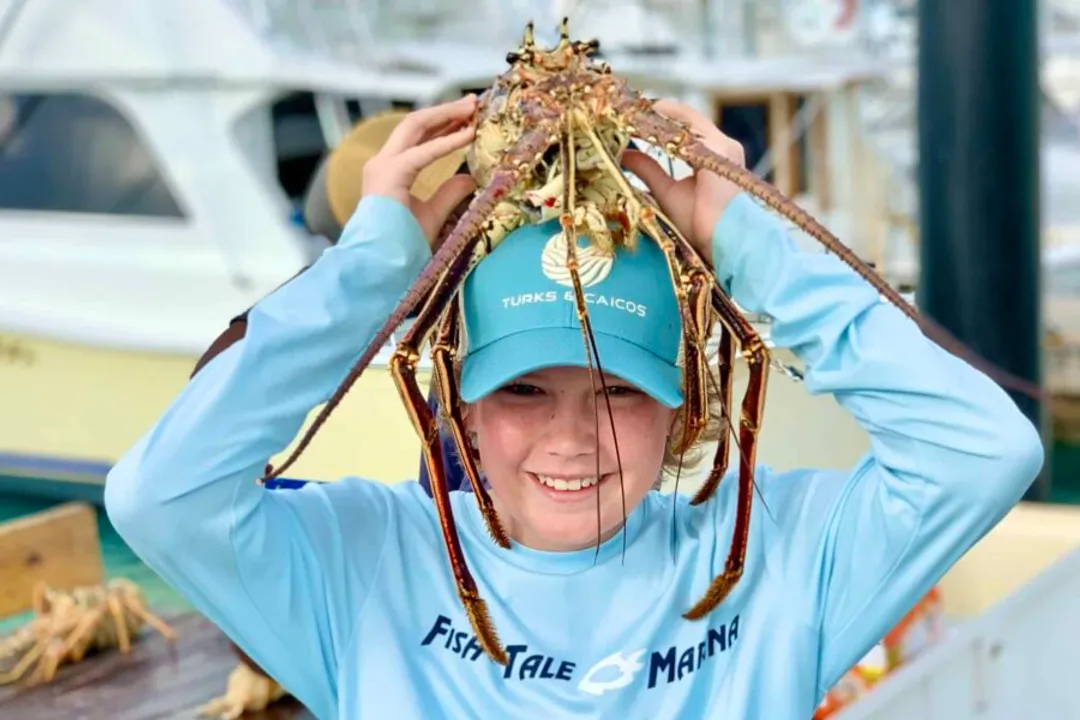
When assessing the potential size of this species, there is a notable difference between recorded specimens and general catch statistics. While the maximum recorded length hovers around 9 feet and weights approach 183 pounds, typical sport catches are far smaller. For example, average catches in Hawaii tend to fall between 8 and 30 pounds. In the Turks and Caicos, the typical size ranges from 15 to 60 pounds, with 100-pounders being a significant event.
| Location/Record | Typical Weight Range | Maximum Recorded Weight |
|---|---|---|
| Hawaii Sport Catch | 8 – 30 lbs | Over 100 lbs |
| Turks and Caicos Catch | 15 – 60 lbs | Over 100 lbs |
| IGFA All-Tackle Record | N/A | 184 lbs |
| General Maximum Size | 39 – 66 in. (Length) | 183 lbs |
Note: The IGFA record of 184 lbs was caught in Mexico in 2005. The Florida Museum reports a maximum total length of 98 inches (about 8.17 feet) and 182 lbs.
# Culinary Profile
The wahoo's high standing as a food item is rooted in its mild, sweet flavor and firm, flaky white meat, which sets it apart from the oilier flesh associated with many mackerel species. Its low-oil content makes it versatile for cooking methods that can dry out fattier fish, yet it requires gentle handling on the heat.
| Characteristic | Description | Suggested Preparation |
|---|---|---|
| Flavor | Mild, sweet | Grilled, Broiled, Blackened |
| Texture | Firm, Flaky, Delicate | Sautéed, Poached, Tempura |
| Fat Content | Low / Extra Lean | Excellent for sashimi/ceviche |
The flesh is so highly regarded that its Hawaiian name, Ono, signifies its delicious quality. Due to its lean nature, anglers must be mindful of cook times; overcooking can easily render the meat dry. This same leanness, however, makes it an excellent canvas for raw consumption, where it is prized for sushi and sashimi, offering a mild entry point for those new to raw fish preparations. A persistent consideration, however, is the potential link to ciguatera poisoning from consuming flesh in certain regions.
If you are focusing on preserving the quality for consumption immediately after a long day on the water, remember that the flesh texture relies heavily on immediate chilling, as the high quality can degrade quickly, and the visual appeal (those zebra stripes) vanishes moments after the fish expires. Furthermore, while a parasite, the Hirudinella ventricosa stomach worm, is frequently present, it is known not to impact the flesh intended for human consumption, nor does it appear to physically harm the host fish. This makes the primary concern for post-catch quality temperature control rather than parasite worry in the meat itself.
Related Questions
#Citations
Wahoo | Oceana
Atlantic Wahoo | NOAA Fisheries
Wahoo - Wikipedia
Fun Wahoo Facts! - Blue Reef Adventures
Wahoo | Fish Facts | Custom Rods - Fisherman's Outfitter
Wahoo Fish Facts | Turks and Caicos Fishing
Wahoo – Discover Fishes - Florida Museum of Natural History
Wahoo (Ono) - Hawaii-Seafood.org
Learn About the Wahoo Fish - Guidesly
All About Wahoo - Florida Keys Wahoo Facts