How are wahoo classified in terms of their ecological role and hunting behavior?
Answer
Fast, pelagic predators
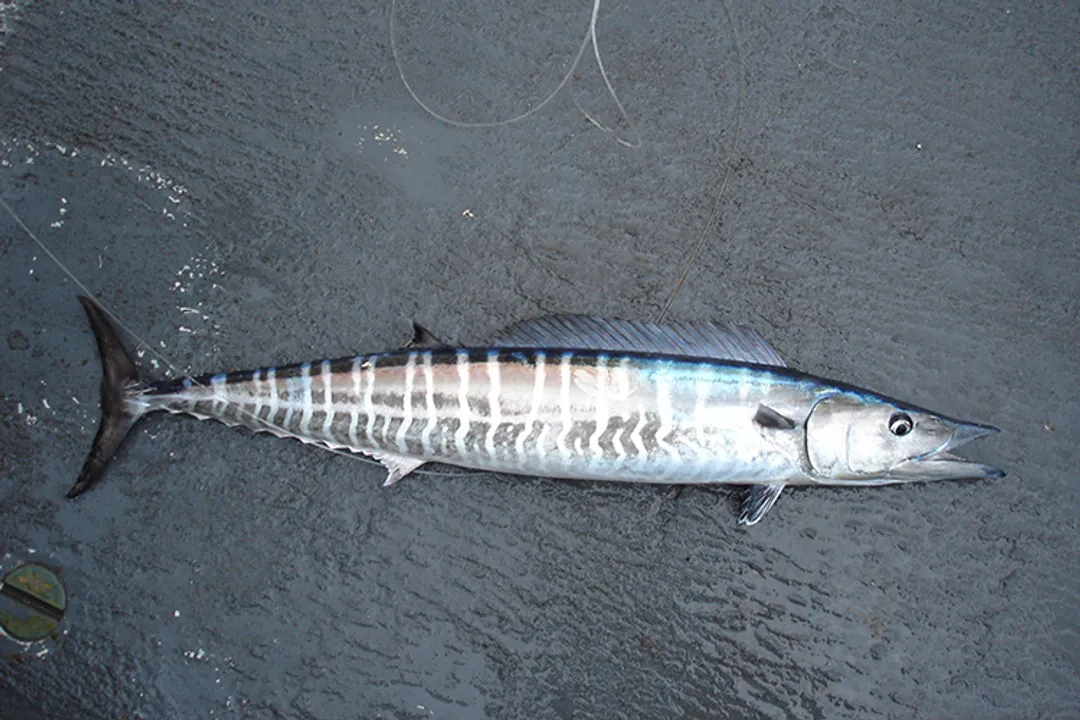
Wahoo are categorized as fast, pelagic predators. Unlike bottom-feeders that scavenge or ambush predators that remain stationary, wahoo operate in the upper water column and rely on constant movement and high-speed hunting tactics to sustain their significant metabolic demands.
Related Questions
What is the Hawaiian name often used to refer to the fish known globally as the wahoo?Which physical body shape characterizes the wahoo and supports its ability to perform rapid pursuits?How are wahoo classified in terms of their ecological role and hunting behavior?What are the two primary categories of prey that constitute the core diet of the wahoo?Which specific fish species are commonly identified as prey for the Pacific wahoo?Why is the wahoo's tendency to target schooling bait considered an energetically efficient strategy?What characteristic should an artificial lure mimic to be most effective when fishing for wahoo?How does the hunting style of the wahoo contrast with that of a bottom-dwelling grouper?How does the wahoo population adapt its diet when preferred prey species like sardines or mackerel fluctuate in availability?What is the primary reason the specific species of prey consumed by wahoo differ between Atlantic and Pacific populations?