Wahoo Fish Scientific Classification
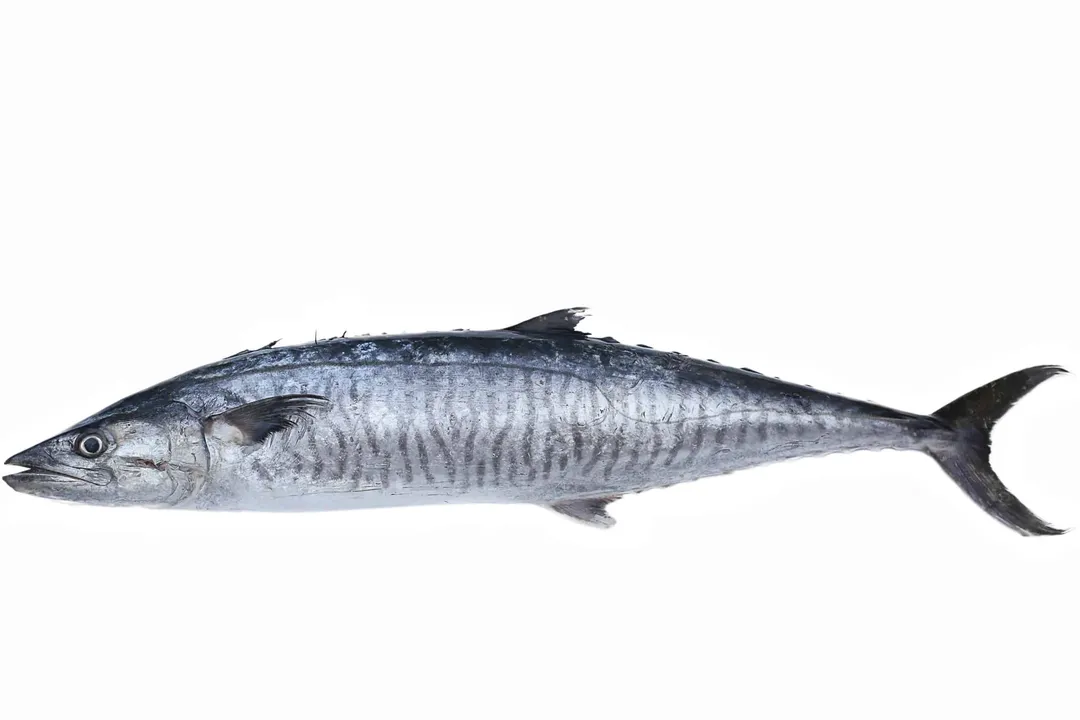
The Wahoo, that lightning-fast predator of the open ocean, commands respect not just for its speed and fighting spirit but also for its precise placement within the grand taxonomy of life. Understanding where this magnificent fish fits—its scientific classification—offers a window into its evolutionary history, its closest relatives, and the physical traits that define it as a pelagic powerhouse. [3][4]
# Animal Kingdom
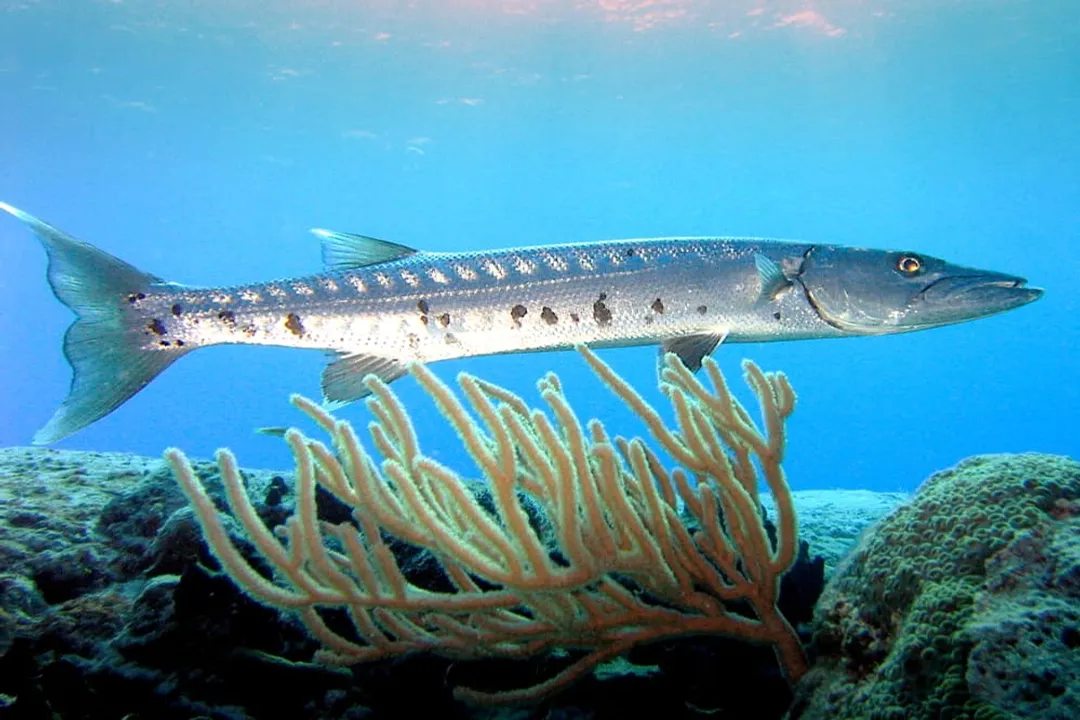
Every living thing on Earth starts its journey in the highest organizational rank, the Kingdom. The Wahoo is firmly placed within Animalia. [1][2][8] This classification signifies that it is a multicellular, eukaryotic organism that obtains nutrition by ingesting other organisms—a hunter, not a self-feeder like a plant. It belongs to the vast assembly of creatures that move and react to their environment, which sets the stage for its later placement among the vertebrates. [1]
# Phylum Chordata
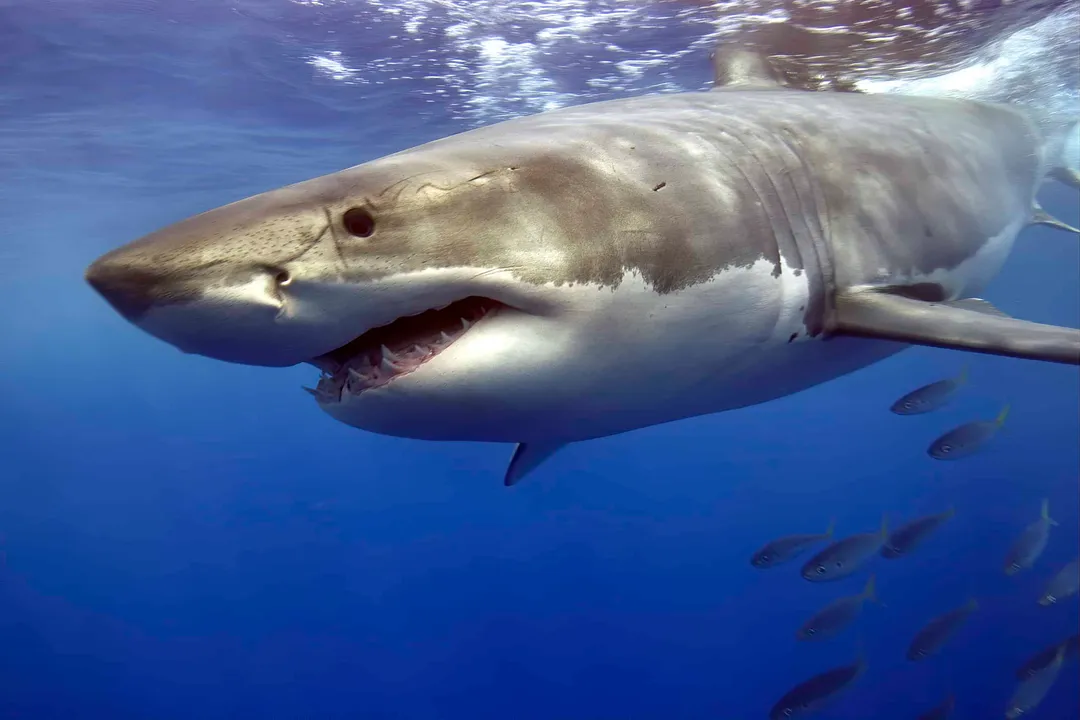
Moving down one level, the Wahoo belongs to the Phylum Chordata. [1][2][8] This group is defined by having, at some point in their development, a notochord, a dorsal hollow nerve cord, pharyngeal slits, and a post-anal tail. [1] While adult fish look quite different from the basic chordate blueprint, they possess the underlying structures that place them here. This phylum is the gateway to the backbone, linking the Wahoo to sharks, amphibians, birds, and mammals. [1]
# Class Ray Fins
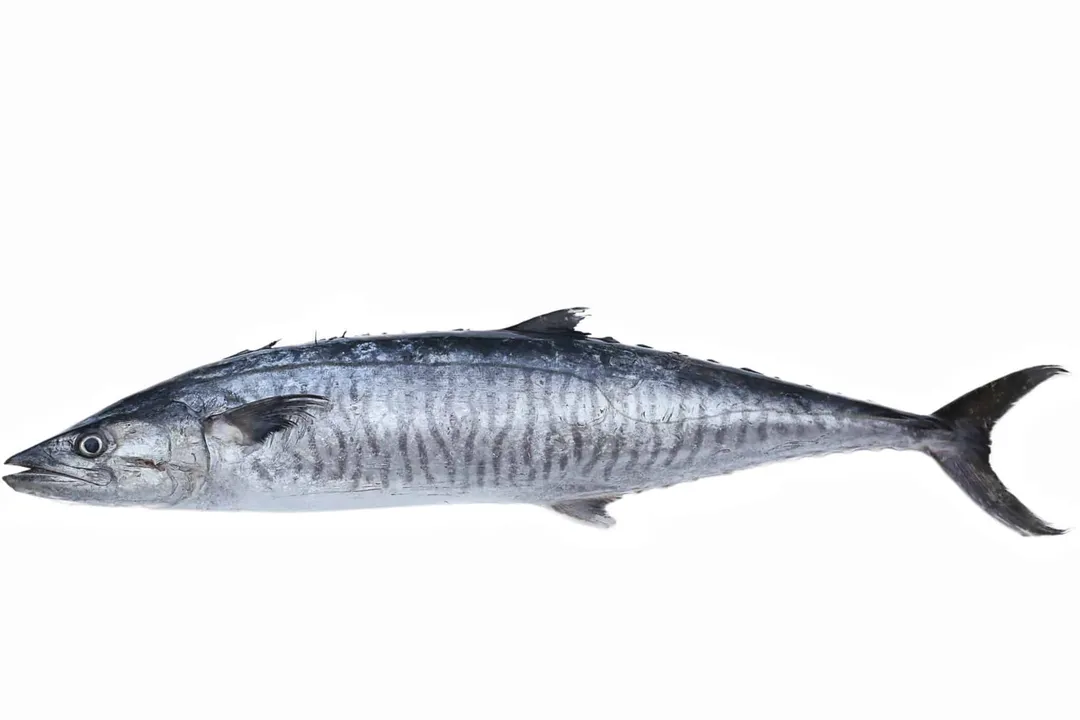
The next step narrows the focus considerably to the Class Actinopterygii, commonly known as the ray-finned fishes. [1][2] This is the largest class of vertebrates, encompassing most fish species we recognize today. [1] Their defining characteristic is the structure of their fins: they are supported by bony spines or rays, contrasting sharply with the fleshy, lobe-like fins of Sarcopterygii (which includes lungfish and, ultimately, land vertebrates). [1] The Wahoo’s streamlined form and predatory lifestyle are built upon this highly successful skeletal design.
# Order Placement
The placement within the Order has seen some refinement over the years, which is common in ichthyology as new genetic and morphological data emerge. Older classifications often grouped the Wahoo into the Order Perciformes. [1] However, more modern systems, reflecting deeper evolutionary understanding, often place it within the Order Scombriformes. [2][8] The Scombriformes group is highly specialized and includes the tuna and mackerel families, indicating a closer relationship to these fast-swimming, oceanic hunters than to the broader array of perch-like fishes. [2][3][5] Recognizing this placement within Scombriformes helps us appreciate the Wahoo’s specialized adaptations for high-speed, offshore existence. [2]
# Family Scombridae
This is where the Wahoo finds its immediate, recognizable neighborhood. It resides in the Family Scombridae, the group containing the mackerels and tunas. [1][2][3][5][6] Members of Scombridae share features like being streamlined, fast swimmers, often possessing finlets along their backs and undersides, and inhabiting warm or temperate waters worldwide. [3][5] When considering the Wahoo alongside a Skipjack Tuna or a King Mackerel, you can see the shared architectural blueprints for life in the blue water columns of the world’s oceans. [3][5]
# Genus and Species
The final steps of classification isolate the Wahoo to its unique species designation. It is the sole member of the Genus Acanthocybium. [1][2][8] The genus name itself hints at its distinctiveness—Acanthos meaning spine and Cybium being a name often applied to related fish, suggesting a spiny or distinct type of mackerel-like fish. [8]
The species name is Acanthocybium solandri. [1][2][3][8] The specific epithet, solandri, honors Daniel Solander, an 18th-century Swedish naturalist and student of Carl Linnaeus. [4][7] This dedication speaks to the early scientific cataloging efforts that sought to organize the planet's biodiversity. [4]
In short, the full scientific address is:
| Rank | Classification |
|---|---|
| Kingdom | Animalia |
| Phylum | Chordata |
| Class | Actinopterygii |
| Order | Scombriformes (often cited as Perciformes) |
| Family | Scombridae |
| Genus | Acanthocybium |
| Species | A. solandri |
| [1][2][8] |
It is quite fascinating to observe how the naming structure reflects the fish's characteristics. While Acanthocybium clearly ties it to the mackerel tribe (Scombridae), its monotypic genus status—being the only species within its genus—highlights a significant evolutionary divergence from its closest relatives, the tunas and other mackerels. [2] While species like Cybium solandr appear in historical synonym lists, [2][5] the current consensus locks it into Acanthocybium solandri, reflecting a contemporary scientific agreement on its genetic isolation. [8]
# The Naming Convention Versus Local Identity
While scientists rely on the formal Latin binomial A. solandri, local fishing communities across the globe have distinct, colorful names for this creature, reflecting its prominence in their waters. [2][7] In Hawaii, the Wahoo is famously known as Ono. [3][7] This Hawaiian name, meaning "delicious," speaks directly to the fish's culinary value—a pragmatic descriptor rooted in generations of direct experience with the species. [7] Considering the global, cosmopolitan distribution of the Wahoo across tropical and subtropical waters, [4][5][7] you find a rich vocabulary describing the same biological entity: Aguajon in parts of the Americas, Peto, or Malahoo. [2] It serves as a neat illustration: the scientific classification provides universal understanding, whereas regional common names often encode cultural or gustatory information relevant to those who interact with it most frequently. [7]
# Distinguishing the Genus
What precisely elevates A. solandri out of the general Scombridae family and into its own genus, Acanthocybium? The answer lies in its unique morphology, especially its mouth structure. The Wahoo is renowned for its elongated, narrow jaws, giving it a distinctive, almost sword-like head profile, even though it is not a billfish. [3][4] Its teeth are razor-sharp, unlike the conical teeth found in many true tunas. [5] This specialized jaw structure is crucial for its hunting technique—it often slices through schools of prey, taking large chunks rather than engulfing them whole like a tuna might. [3][5] If you were to place a Wahoo next to a Bluefin Tuna, you would immediately notice the difference in head shape; the Wahoo's profile is slender and optimized for quick, precise strikes, whereas the tuna's head is built for sustained, high-speed pursuit. This morphological difference is a primary driver for maintaining Acanthocybium as a separate genus from Thunnus (tunas) or Scomber (mackerels). [5]
# A Note on Historical Classification
When looking at older scientific literature or specific database entries, one might encounter names like Cybium solandr listed as a synonym. [2][5] The genus Cybium was used historically for certain mackerel-like fishes. [5] The shift from Cybium to Acanthocybium demonstrates the ongoing process of taxonomic revision. As scientists gain better data—whether through fossil evidence, geographic range studies, or modern DNA sequencing—they refine the evolutionary tree. [8] The Marine Species database confirms Cybium solander as a synonym, but A. solandri remains the accepted current name. [8] This acceptance of A. solandri signifies an authoritative status within the scientific community, indicating that this classification best reflects the known genetic and morphological relationships today. [1]
The Wahoo's classification journey, from Kingdom Animalia down to its unique species epithet, tells a story of adaptation. It belongs to the fast-swimming marine hunters (Scombridae) but possesses enough unique physical traits, particularly its jawline, to warrant its own dedicated genus, Acanthocybium. This precise labeling helps marine biologists, fishery managers, and sport fishermen worldwide communicate clearly about this globally distributed, high-value oceanic species. [2][7]
Related Questions
#Citations
Wahoo - Wikipedia
Acanthocybium solandri, Wahoo : fisheries, gamefish - FishBase
Wahoo – Discover Fishes - Florida Museum of Natural History
Wahoo Fish - Acanthocybium solandri - A-Z Animals
SPECIES PROFILE: THE RAZOR-JAWED WAHOO - Pelagic
Wahoo, Acanthocybium solandri (Cuvier 1832) - Fishes of Australia
Wahoo (Ono) - Hawaii-Seafood.org
Acanthocybium solandri (Cuvier, 1832) - WoRMS
Species: Acanthocybium solandri, the Wahoo