Wahoo Fish Locations
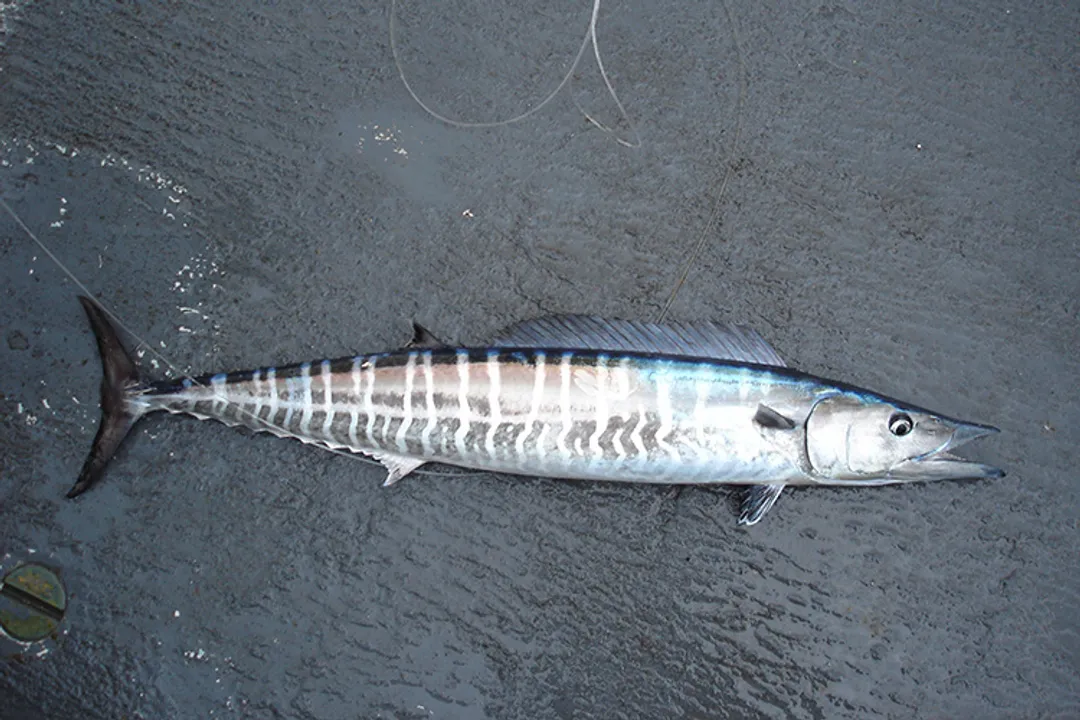
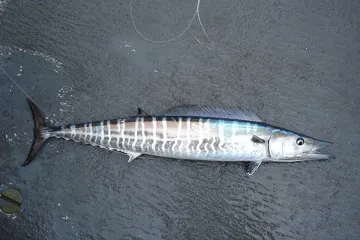
Wahoo, or Ono as they are affectionately called in Hawaii, [4] command a special status among offshore anglers. Their legendary speed and strength, capable of taking massive amounts of line in a single scorching run, make the pursuit irresistible. [7] These torpedo-shaped predators, adorned with iridescent blue backs and silvery sides marked by irregular vertical blue bars, [3] are not confined to one corner of the globe. In fact, they possess a circumtropical distribution, thriving across the tropical and subtropical waters of the Atlantic, Pacific, and Indian Oceans. [3][4] This wide oceanic range means that experiencing the thrill of battling a ‘Hoo can be a year-round endeavor, provided you know precisely where the currents and structure converge to hold them. [7]
# Global Spread
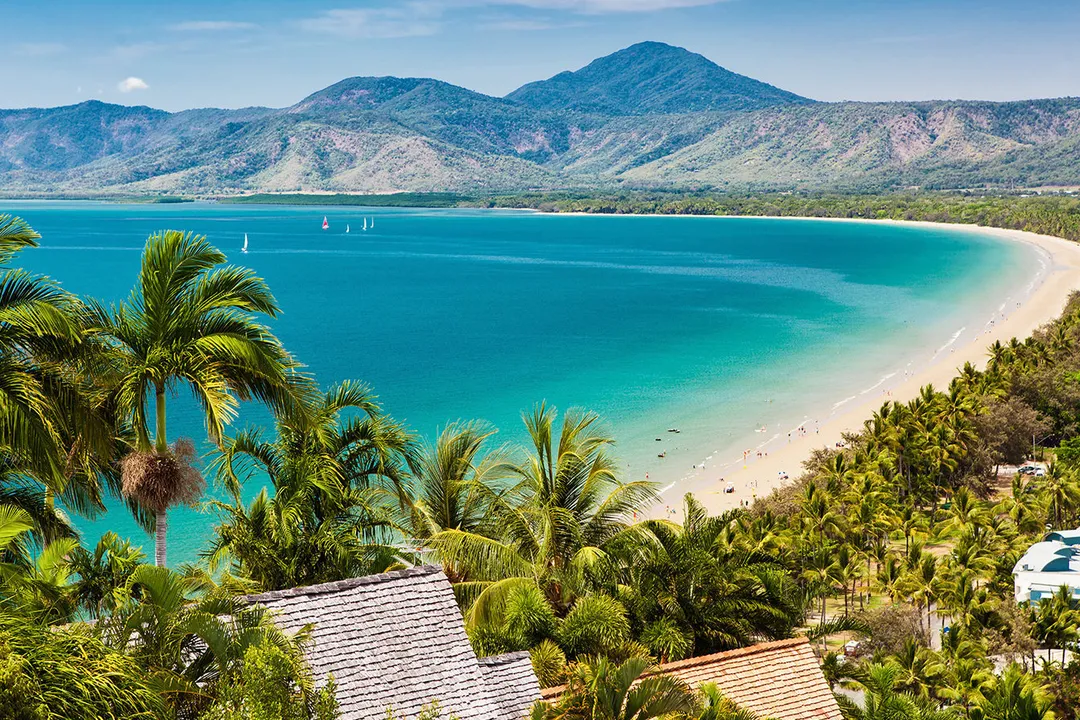
The wahoo population exhibits a broad distribution, primarily inhabiting warmer regions. [4] Genomic research suggests that while there are differences between the Atlantic and Indo-Pacific stocks, there is still a degree of migration and gene flow between them. [3] This global presence means prime fishing grounds exist from the western Pacific near Australia to the eastern shores of the Americas. [7] Although they generally favor warmer climes, occasional sightings occur much further north in the Atlantic, proving their adaptability, though these instances remain rare for Northeastern US fishermen. [4] The concentration of large specimens, however, is consistently found where deep, food-rich water meets shallower shelves or specific underwater features. [5]
# United States Angling
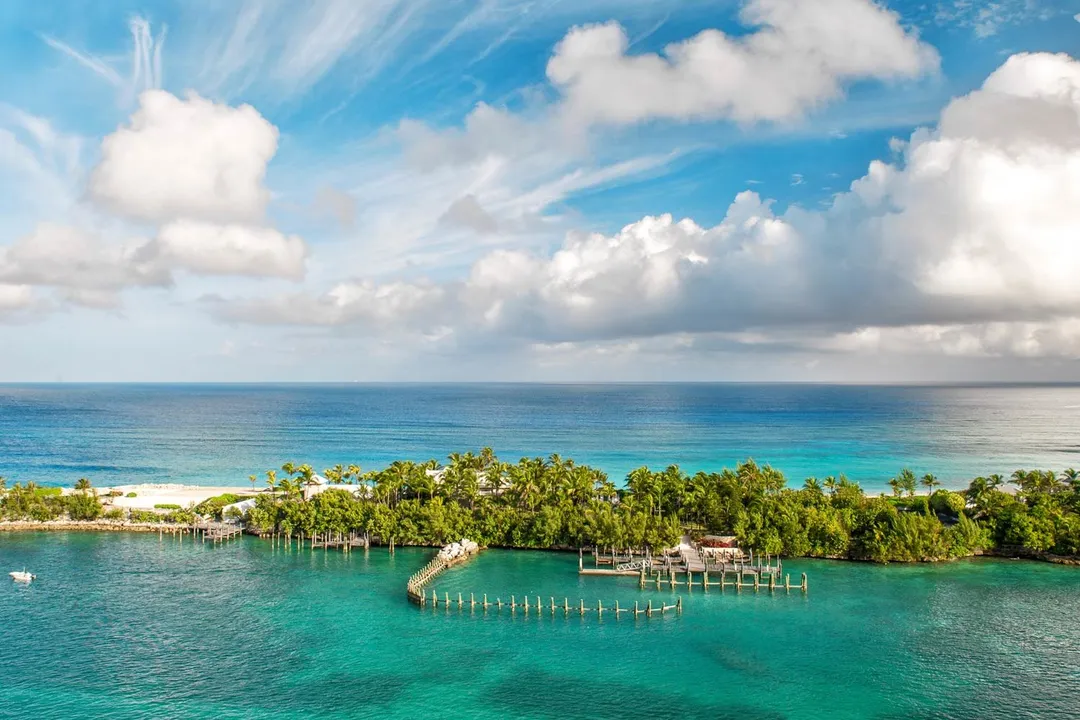
The USA offers substantial opportunities across its Atlantic, Gulf, and Pacific coastlines. [7]
# Florida Focus
In Florida, the subtropical environment is conducive to year-round wahoo action. [7] Key West sits perfectly where the Atlantic meets the Gulf of Mexico, offering deep water access where the fish can be targeted at any time. The pursuit often tightens up between November and February as they move closer to the local reef systems. [7] Further north along the Atlantic coast, the action picks up as spring transitions into late summer, especially near Miami, which benefits from direct access to the Gulf Stream channel just a few miles offshore. [7] Even further north, a deep-water ledge located roughly 70 miles offshore from areas like St. Augustine and Jacksonville hosts large wahoo, with the peak season typically running from January through April, hitting its apex in February and March. [8]
# Gulf Structure
The Northern Gulf of Mexico, particularly near Louisiana, presents a distinct seasonal pattern centered around man-made structure. [6][7] Venice, Louisiana, is a recognized hotspot due to the abundance of deep waters and offshore oil rigs, which the wahoo utilize as excellent structure year-round. [7] While they stick close to these rigs ten to thirty miles from shore, the most intense action is often reported between January and March. [7] Interestingly, wintertime is cited as the best period in this region, with fish aggregating at offshore pinnacles like the East and West Flower Gardens and Stetson Rock near Galveston. [6] Anglers here must often be ready to capitalize on short "weather windows" following cold fronts to reach these far-off spots. [6]
# Hawaiian Presence
In the Pacific, Hawaii is another essential destination, particularly Oahu, where the fish are known locally as Ono. [4][7] While present year-round, the best angling typically occurs between March and September. [7] It is worth noting that over 95 percent of the total U.S. wahoo harvest, both commercial and recreational, originates from the Pacific, largely driven by the fisheries around Hawaii. [5]
# Mexico Waters
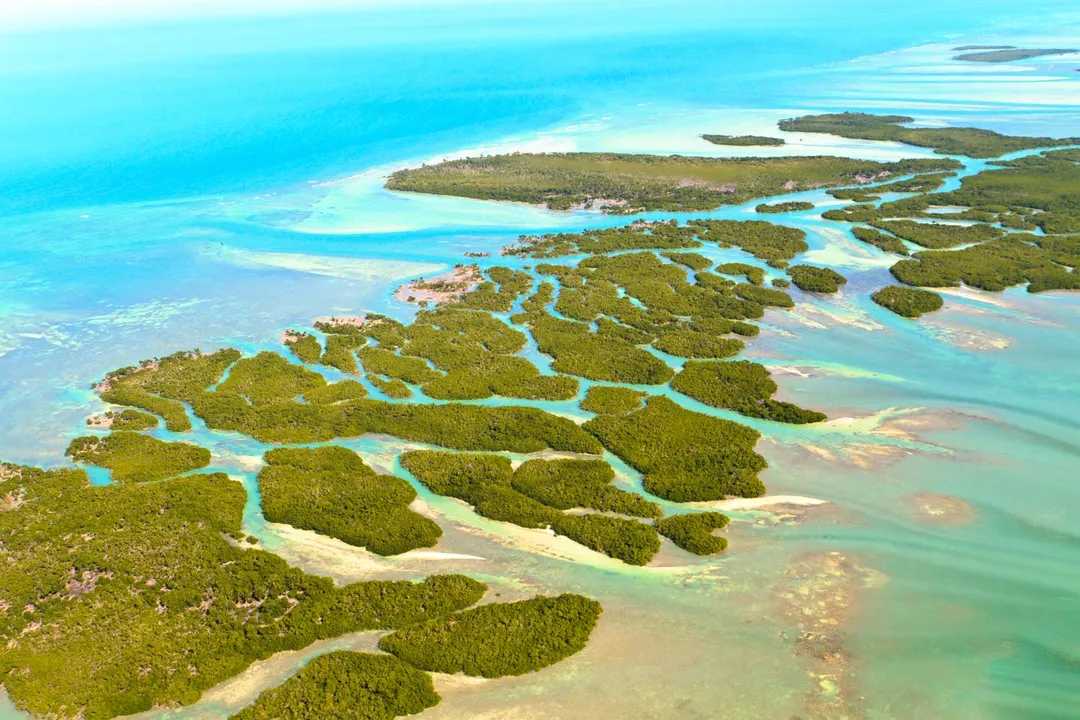
Mexico is geographically blessed, bordered by both the Pacific Ocean and the Gulf of Mexico, meaning plentiful wahoo habitat on both sides. [7]
# Baja Fishing
Cabo San Lucas, situated on the southern tip of the Baja California Peninsula, grants immediate access to the Pacific’s deep waters. [7] Here, anglers can reach prime hotspots quickly, and the fish are especially abundant during the summer and fall months. [7]
# Caribbean Access
Cancún offers a unique intersection, sitting where the Gulf of Mexico meets the Caribbean Sea. [7] The desirable depths for wahoo start almost immediately upon leaving the dock, with the peak fishing season generally falling between March and June. [7]
# Caribbean Islands
The Caribbean Archipelago is a renowned sportfishing mecca with thousands of islands providing deep, reef-packed waters. [7]
The Bahamas are famous for winter wahoo migrations, making November through March the prime targeting window. [7] San Salvador is often cited as the best island for this pursuit, where finding wahoo exceeding 100 pounds is fairly common, especially around a seamount that rises sharply from 4,000 feet to about 180 feet of water, only ten miles offshore. [6] While islands closer to Florida, like Grand Bahama and the Abacos, have hosted major winter tournaments, they have faced challenges related to storm recovery. [6] Nassau serves as a popular departure point due to the extensive charter operations available. [7]
Other key island locations include Aruba, where excellent fishing is possible year-round, though March through September offers optimal conditions due to deep water accessible close to shore. [7] Roatan, located among Honduras' Bay Islands, also offers year-round action; the depth near this small island plunges to 1,000 feet only five miles out, ensuring immediate bluewater battles. [7] Furthermore, St. Croix in the U.S. Virgin Islands has been highlighted as a world-class destination, where successful trips often employ trolling with planers.
# Southern Hemisphere Sites
The Pacific side extends to Australia, a country ringed by the warm waters of the Pacific, Indian, and Southern Oceans, providing ideal habitat complemented by features like the Great Barrier Reef. [7] In Queensland, the Coral Sea attracts large numbers, particularly off the southeastern part of the state, with December through April being the best timeframe. [7] For the Indian Ocean side, anglers might focus their efforts around the Rowley Shoals off Western Australia, utilizing coastal towns like Exmouth as a base. [7]
# Structure and Conditions
Locating wahoo is often more challenging than catching them, as they favor solitary travel or small groups of two or three, making them hard to pinpoint outside of seasonal aggregations. [4][7] Successful anglers look beyond mere coordinates and instead search for specific environmental clues. [7] Modern technology, such as satellite charts, helps anglers intersect these critical features. [2] Wahoo favor the edges of drop-offs, ledges, and canyons, especially where distinct breaks occur. [2][5]
The ideal environmental overlap for targeting wahoo involves several factors:
| Condition | Ideal Range | Notes |
|---|---|---|
| Sea Surface Temperature (SST) | 73–78°F (23–26°C) | The broader acceptable range is 70–85°F. [2] |
| Water Color (Chlorophyll) | 0.01–1.0 mg/m3 | Clean purple-blue to off blue; look near color changes. [2] |
| Bathymetry (Depth) | 20–60 fathoms | Targeting the top of drop-offs or ledges in this range is best. [2] |
The best results occur when a sharp temperature break, defined by clean offshore water color, overlaps precisely with the top of a steep drop-off or canyon edge. [2] Beyond geological features, they are known to congregate around offshore oil platforms and any floating debris, such as logs, weed lines, or fish aggregation devices (FADs). [2][5] Tracking these environmental indicators allows an angler to focus effort, moving from broad offshore areas to highly specific holding spots near submerged structure. [2] When targeting these features, particularly in the Gulf, high-speed trolling near salt domes or canyon edges where current compresses bait is a noted strategy. [6]
# Winter Tactics Analysis
The seasonal movements dictate the location strategy. For instance, the Gulf of Mexico's winter concentration near offshore rigs and seamounts contrasts with the prime seasons in other areas. In the Bahamas, the winter months bring a huge migration. [6][7] This seasonal concentration presents a tactical advantage: instead of searching vast open water, anglers target known winter hotspots where the fish are schooling up to feed on resident baitfish, such as off San Salvador. [6] Where the fish are moving, the required trolling speed often increases significantly, sometimes reaching 15 to 18 knots in competitive situations, which dictates the necessary heavy-duty tackle and boat stability to maintain that pace effectively. [6][8] Conversely, when live baiting near a rig, a much slower trolling speed is required, showing that 'fast' is relative to the specific fishing scenario and structure being targeted. [6] Understanding the seasonal driver—whether it's seeking warmer winter refuge in the Gulf or following migratory routes in the summer Pacific—is what turns a random offshore trip into a successful wahoo hunt.
#Videos
Best WAHOO FISHING location on the Planet | St. Croix USVI
Related Questions
#Citations
Wahoo Fishing: species guide, charters and destinations
Atlantic Wahoo | NOAA Fisheries
Wahoo - Wikipedia
3 Top Best Places to Catch Wahoo | Excellent wahoo fisheries - BD
Winter's Wahoo - Texas Saltwater Fishing Magazine
How to Fish for Wahoo: The Complete Guide for 2025 - Fishing Booker
How To Catch Wahoo Using SatFish Charts
Best WAHOO FISHING location on the Planet | St. Croix USVI