Wahoo Fish Diet
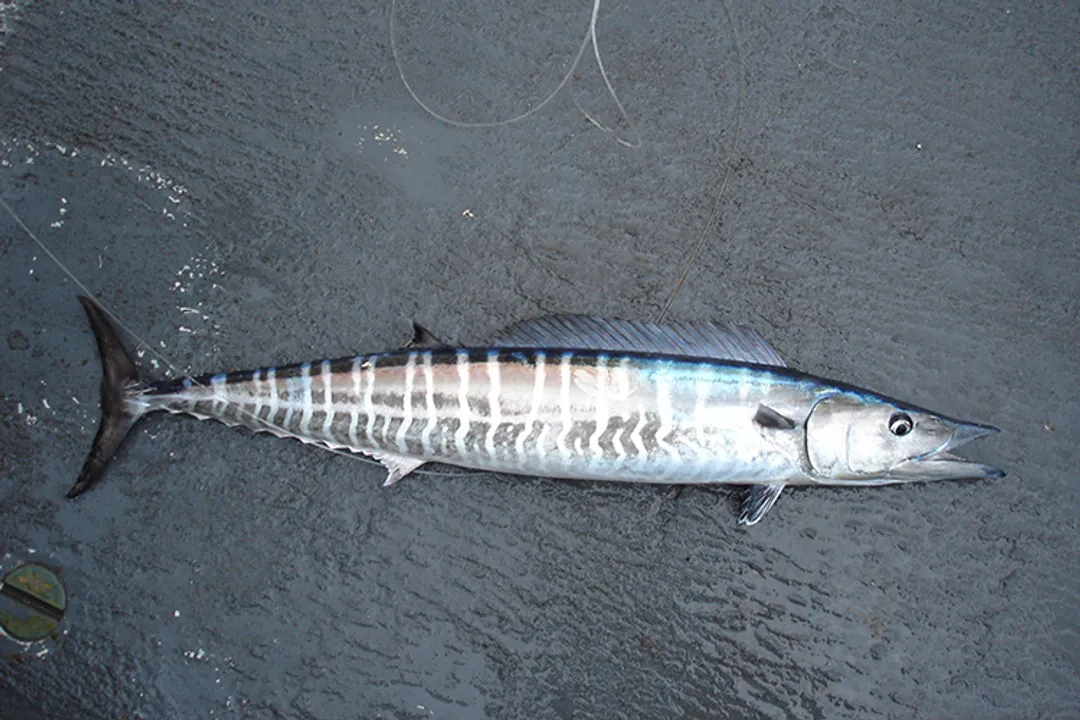
Wahoo, known by the Hawaiian name Ono in some regions, [4] are recognized globally for their incredible speed and sleek, torpedo-shaped bodies built for rapid pursuit in the open ocean. [1][2][6] As highly active, pelagic predators, their entire existence revolves around finding and securing sufficient, high-energy food sources in the vast blue water column. [2][5][10] Understanding what drives this powerful fish to feed gives us a clearer picture of its behavior, movement patterns, and its place in the marine ecosystem. [7]
# Fast Hunters
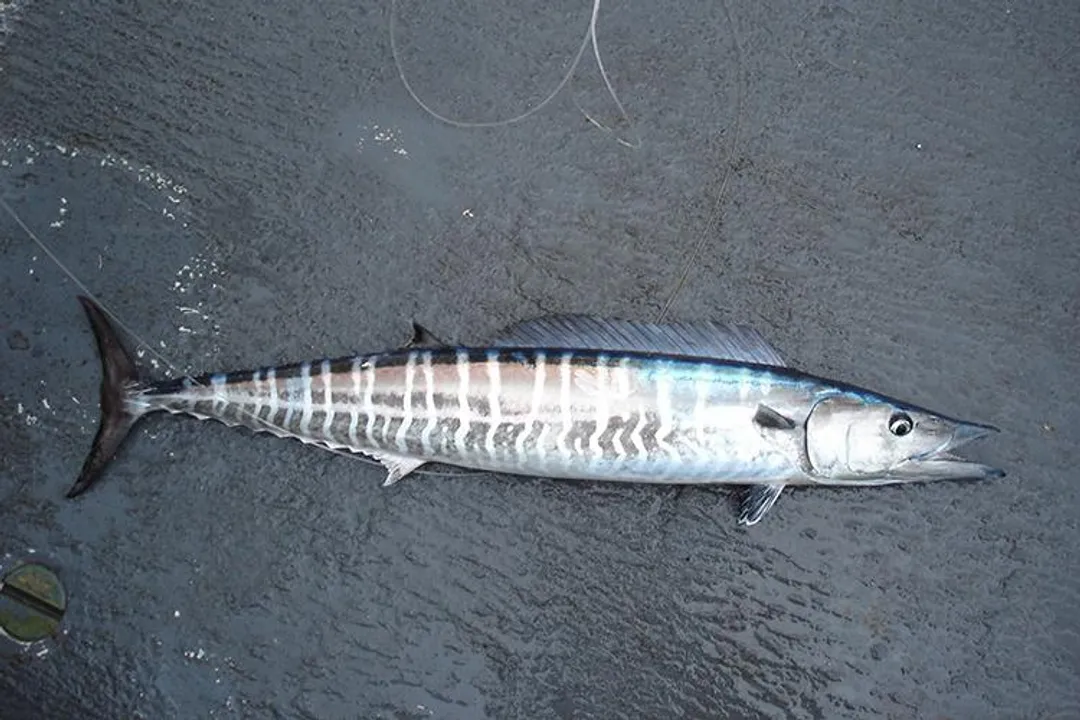
The identity of the wahoo is intrinsically tied to its predatory capabilities. These are not bottom-feeders or opportunistic scavengers; they are specialized hunters operating in the upper water levels where prey is often moving quickly. [2] Their classification as fast, pelagic predators suggests a metabolic demand requiring frequent, substantial meals. [5][6] This constant need for fuel is what makes them such relentless pursuers of schooling baitfish throughout their range, which extends across tropical and subtropical waters in the Atlantic and Pacific Oceans. [1][3]
When we consider how quickly a wahoo must accelerate and maintain top speeds, it becomes clear that their diet must consist of prey that offers a high caloric return for the energy expended during the chase. A scattered meal of single organisms would be inefficient for such an explosive hunter. This physiological requirement naturally steers the wahoo toward denser aggregations of food, which are typically found in the form of moving clouds of small, schooling fish. [3]
# Prey Staples
The core components of the wahoo diet, whether found in the Atlantic or Pacific waters, remain remarkably consistent across their distribution. [1][3][4] The primary targets fall into two major categories: small schooling fish and squid.
In terms of ichthyofauna, wahoo actively target species that gather in large groups near the surface or in the water column. For those observing Pacific wahoo specifically, this menu often includes smaller pelagic species such as:
These smaller fish provide the necessary fat and protein content required by a large, fast-moving predator. [3] Squid represent the second critical element of their intake. Cephalopods are generally rich in protein and are often found moving in the same general habitats as their fish prey, making them an easy and worthwhile target for the wahoo’s sudden bursts of speed. [2][3]
# Schooling Targets
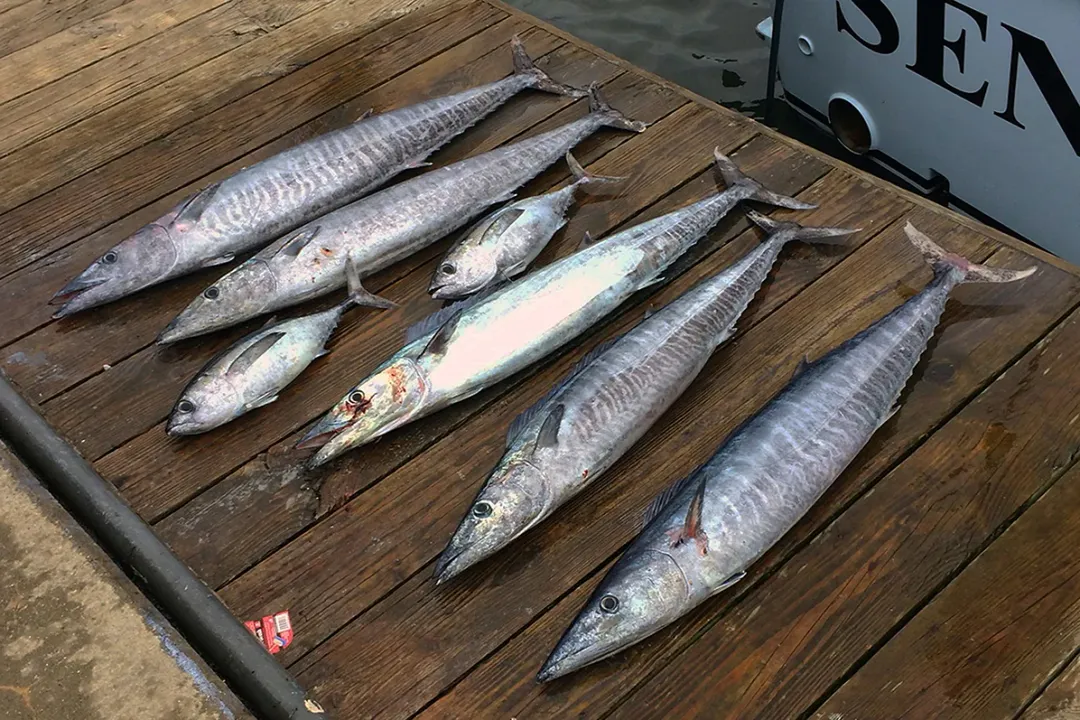
The reliance on schooling bait is a classic strategy in pelagic predator ecology. It allows the wahoo to feed efficiently, much like a cheetah exploiting a herd of antelope rather than chasing a single, isolated runner. This tendency is a shared characteristic among many fast-swimming oceanic predators. [2]
It’s fascinating to observe how the local oceanic conditions dictate the exact composition of the meal. While the type of prey—small fish and squid—is universal, the species listed above are more commonly identified in studies concerning the Pacific Wahoo. [3] Atlantic Wahoo, while sharing the same general feeding pattern of consuming small, schooling organisms, might feature different local baitfish species in their routine consumption patterns. [1][8] The underlying principle, however, remains the same: wahoo are adapted to exploit temporary, dense aggregations of high-energy prey. [7]
If you are fishing for wahoo, understanding their current diet isn't just academic; it's immediately actionable. Since their natural forage often consists of fish measuring in the range of a few inches up to perhaps a foot, matching this profile with artificial presentations is often the key to success. [9] The most effective lures, therefore, frequently mimic the flash, size, and profile of those natural baitfish—think long, slender designs that suggest a fleeing sardine or mackerel, rather than bulky, slow-moving profiles. [3] This direct link between what they hunt in the wild and what we use to catch them highlights how profoundly their diet shapes their behavior toward artificial offerings. [9]
# Hunting Mechanics
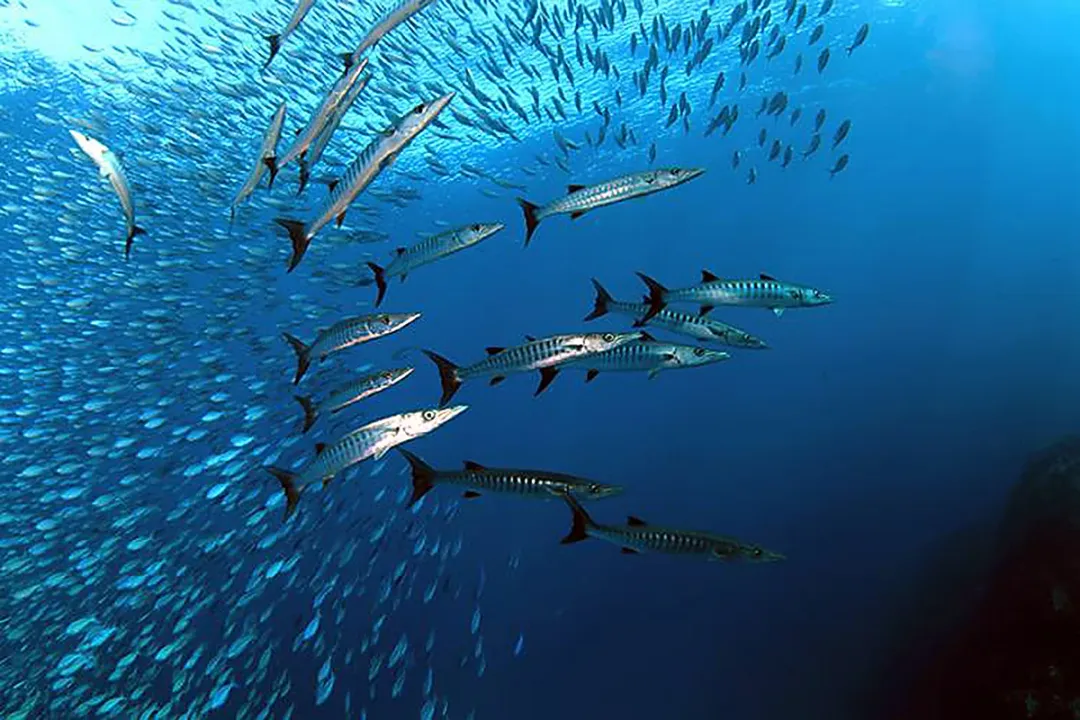
Wahoo feeding is characterized by intense, short-duration attacks. They use their exceptional speed to close the distance rapidly before the bait school can react effectively. [2] While the sources confirm they are swift predators, the very nature of their primary food sources suggests a reliance on ambush or high-speed pursuit tactics rather than lengthy, drawn-out hunts. [1][5]
The contrast between wahoo and slower, ambush-style predators is stark. A grouper might wait patiently for a crab to wander near; a wahoo, however, must move constantly or be positioned perfectly to intercept fast-moving targets like mackerel or herring. [3] This constant activity means that when a wahoo is encountered, it is often feeding or actively searching for prey, which is why sport fishermen frequently find them highly aggressive when presented with a tempting lure. [9]
In certain regions, such as around Hawaii, the local name Ono is used, and while the fish share the same feeding habits—targeting small fish and squid—the sheer volume of available bait dictates the overall success of local fisheries targeting this species. [4] When populations of their preferred prey, like sardines or mackerel, fluctuate due to environmental changes or pressures from other predators, the local wahoo population must adapt its feeding strategy, perhaps shifting focus more heavily toward squid or chasing slightly different species of smaller pelagic fish. [3] This highlights a subtle but important aspect of their diet: it is dynamic, responding to local availability even within the narrow framework of small, schooling organisms. [7] They are opportunists within a specific niche.
# Pacific vs. Atlantic Diets
While the foundational diet of small schooling fish and squid applies to both Atlantic and Pacific Wahoo, geographic separation means the specific species constituting those groups will naturally differ. [1][3] For instance, the North Carolina fishery focuses on the Atlantic stock, [5] where the local baitfish community differs from the ecosystems off the coast of California or Hawaii where Pacific Wahoo are caught. [3][4]
The scientific documentation often provides the most concrete examples for the Pacific stock, listing species like mackerel scad and herring explicitly. [3] While comparable data for the Atlantic stock may be less frequently itemized in general profiles, the biological imperative remains the same: the need to consume dense schools of prey items that match their high-energy lifestyle. [1][8] Therefore, anyone looking to understand the diet of a specific regional population should look toward local fisheries reports identifying the most abundant small pelagic fish available at the time. [5]
Ultimately, the wahoo's diet is a perfect reflection of its specialized physical design. It is the fuel required by one of the ocean’s fastest swimmers, heavily reliant on the abundance of small, tightly packed bait balls moving through the sunlit zones of the open water. [2][7] This dietary specialization dictates where they travel, how fast they grow, and ultimately, how anglers target them in the pursuit of a memorable catch. [4][9]
Related Questions
#Citations
Atlantic Wahoo | NOAA Fisheries
Wahoo - Wikipedia
Pacific wahoo - California Sea Grant
Wahoo (Ono) - Hawaii-Seafood.org
Wahoo | NC DEQ
Finfish | Wahoo - Fortune Fish & Gourmet
Wahoo | Oceana
What's on the line: Atlantic wahoo | Coastal Review
How to Catch More Wahoo Using the Science of Wahoo Fishing
Is Wahoo Good to Eat If You Catch One Wahoo Fishing?