What correlation is suggested between habitat preference and sexual dimorphism in these tanagers?
Answer
Species frequenting human-adjacent habitats tend toward complete similarity.
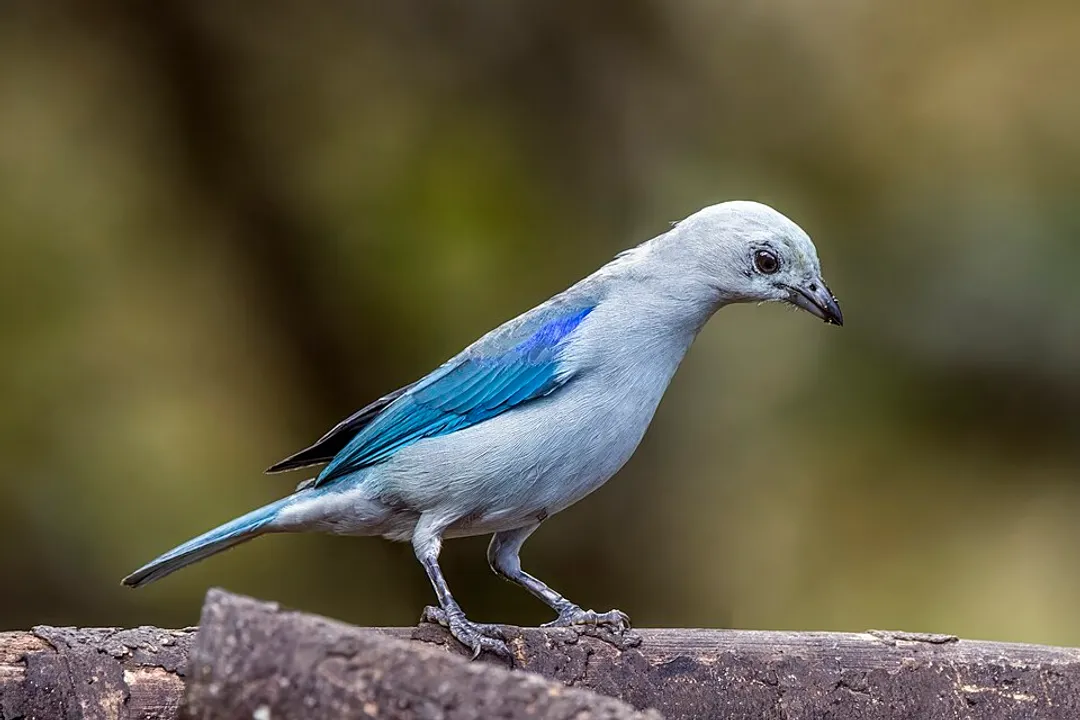
There is an implied relationship where species common in open areas or near human presence, like the Blue-grey and Blue-necked Tanagers, favor visual similarity, potentially reducing the need for elaborate male displays.
Related Questions
Are adult male and female Blue-grey Tanagers typically distinguishable by plumage?How do female Turquoise Tanagers typically differ from males?What is the extent of sexual dimorphism recorded in adult Blue-necked Tanagers?What coloration difference characterizes female Blue-and-Yellow Tanagers compared to males?When comparing the four prominent blue tanager species examined, what is the general rule regarding sexual difference?How does the plumage of immature Blue-grey Tanagers compare to the adults?What identification tip is crucial for birders observing single, highly monomorphic species like the Blue-necked Tanager?What common nickname is sometimes given to the Blue-grey Tanager on islands like Trinidad and Tobago?What mechanism primarily separates the sexes in the Turquoise Tanager?What correlation is suggested between habitat preference and sexual dimorphism in these tanagers?