Do male and female White-crowned Sparrows look the same?
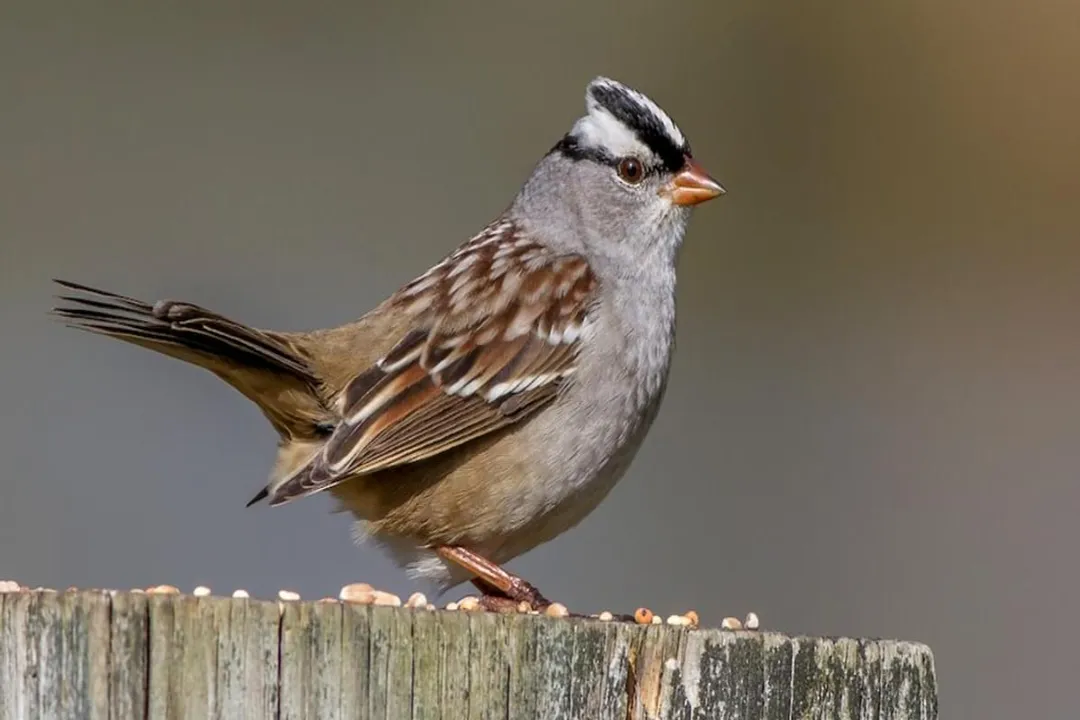
The first impression birders have of the White-crowned Sparrow is usually one of instant recognition: that dashing pattern of black and white stripes adorning the head, contrasting sharply with a plain gray breast. [2] This distinctive look, combined with a relatively small bill that is often pink or yellowish depending on location, makes it one of the most reliably identifiable sparrows across much of North America. However, when a birder starts paying closer attention, the inevitable query arises: Do the male and female White-crowned Sparrows look the same? The short, somewhat frustrating answer for those hoping to separate them at a distance is that, for all practical field purposes, they look the same. [4]
# Shared Plumage
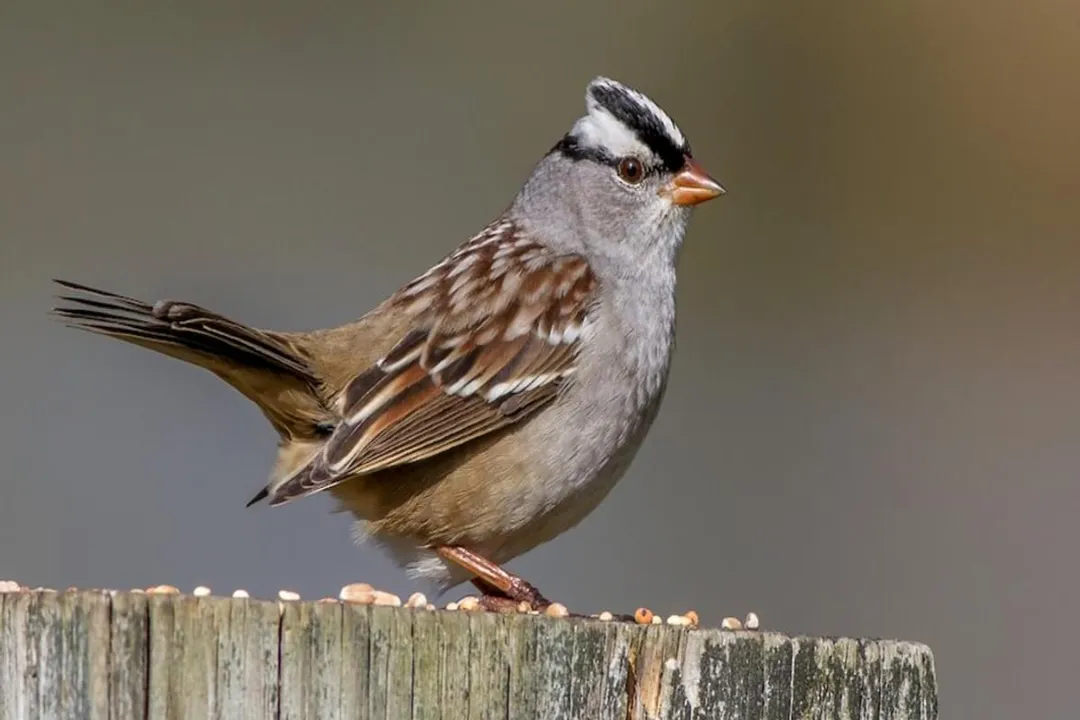
The core plumage that defines this species is shared equally between the sexes. [6] Both the male and the female possess the namesake crown pattern: two bold, dark stripes bordering a central white stripe running from the forehead back over the crown. [1] The body coloration is similarly consistent; they present as a large, grayish sparrow with a long tail and brown, streaked wings that feature two noticeable white wingbars. [2][6] Their overall appearance is quite striking, setting them apart from many of their more drab sparrow cousins. Even the bill color is largely a function of geography—whether it leans toward pink, yellow, or orange—rather than sex. This uniformity in adult plumage is why birders often assume a bird is sexless or immature until they learn the species standard is sexually monomorphic in appearance. [4]
# Subtle Differences

While visual identification based on plumage is generally a dead end for separating the sexes, there are biological distinctions that exist, even if they are too slight to register reliably in a quick field observation. [4]
# Body Mass
The most definitive, though impractical for field work, difference lies in size. Scientific data confirms that the male body mass tends to be slightly higher than the female’s throughout the year. [1] For instance, during the summer, an average male might weigh around 28.27 grams, while the average female is closer to 25.47 grams. [1] That nearly three-gram difference is significant enough for researchers to measure consistently, but it requires having the bird in hand for a precise assessment. [1] Attempting to discern a few grams of difference between two similarly shaped sparrows hopping at a feeder is simply not a viable identification strategy for the average enthusiast.
# Brightness During Breeding
One very slight, potential visual cue mentioned is the male's possibility of exhibiting slightly brighter plumage during the breeding season. [6] This minor enhancement in color saturation, if present, would be highly subjective and difficult to verify against a female counterpart in the field, especially when factoring in variations caused by lighting, feather wear, or individual bird quality. [4] Experienced banders, who handle the birds, sometimes rely on minute differences like the width of the crown or specific eye/bill color characteristics, but these are specialist methods far removed from typical bird watching. [4]
# Age Versus Sex Cues
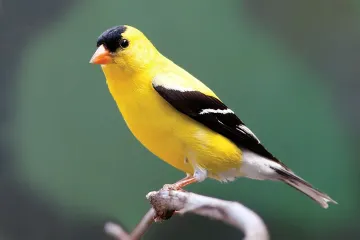
If a birder finds a White-crowned Sparrow that doesn't fit the clean black-and-white adult pattern, they are almost certainly looking at an immature bird, rather than a female. [4] The difference between age classes is far more visually dramatic than the difference between the sexes. [2]
Young birds lack the crisp adult markings. Instead of the definitive black and white crown, first-year birds display head stripes that are a mixture of rusty brown and grayish-tan. [1][2] Furthermore, their overall body plumage tends to be browner and less distinctly marked than the mature gray and brown tones of adults. [1][6] Juveniles, especially those just after leaving the nest (up until about August), show more overall streaking across their bodies. An important takeaway for any observer is to first look past the head stripes and assess the bird's age—determining if you have an adult or an immature bird first—because this distinction provides a much clearer physical variable than trying to separate a male from a female adult.
# Vocal Clues
Since visual field sexing is largely ineffective, an observer must sometimes turn to auditory cues, though even song is not a perfectly reliable separator. White-crowned Sparrows are renowned for their sweet, complex whistle songs, often containing jumbled whistles followed by a buzz or trill. [2]
Generally, the males sing more often. During the breeding season, males are the primary vocalizers, establishing and defending their territories with loud songs. [1] However, females are certainly capable of vocalizing. When a female sings, her song is typically reported as being quieter and more variable than the male's typical performance. This singing behavior in females often occurs specifically when they are contesting breeding territories or actively vying for a winter food source. If you hear a complex song near a territorial dispute, it is statistically more likely to be a male, but hearing any song from a female is not impossible, especially outside of peak breeding displays.
When surveying a new area or seeking to identify a specific bird you see interacting with a mate, understanding these vocal differences can offer a helpful, though tentative, second layer of data. It is the closest many birders will get to sexing a White-crowned Sparrow without specialized equipment.
# Field Priorities
For the average enthusiast watching birds at a backyard feeder or along a trail, the conclusion remains firm: male and female White-crowned Sparrows look virtually the same. [4] Any marginal differences in size or plumage brightness are overshadowed by the much more apparent variations dictated by age and geography.
When trying to identify these beautiful birds, it is much more productive to focus on characteristics that are actually diagnostic. First, confirm the species by noting the bold head stripes, gray chest, and size (they are large for a sparrow). [2] Second, determine the age—are the stripes black and white (adult) or brown and tan (immature)? Finally, use the bill and lore color to identify the subspecies present in your area, as this varies significantly between the Pacific Coast birds, Gambel's, and others. [2] Focusing on these robust markers ensures accurate identification, leaving the subtle, internal differences between the sexes to the ornithologists with nets and scales. For field observation, accept that once you confirm it is an adult, you have identified the species, and the sex remains a delightful mystery until proven otherwise by behavior or song contest. [4]
Related Questions
#Citations
Female white crown sparrow : r/birding - Reddit
White-crowned Sparrow Identification - All About Birds
Sparrow vs White-Crowned Sparrow - Birdbuddy WIKI
Meet the White-crowned Sparrow - Sacramento Audubon Society
Zonotrichia leucophrys (white-crowned sparrow) | INFORMATION