Is there a blue tanager?
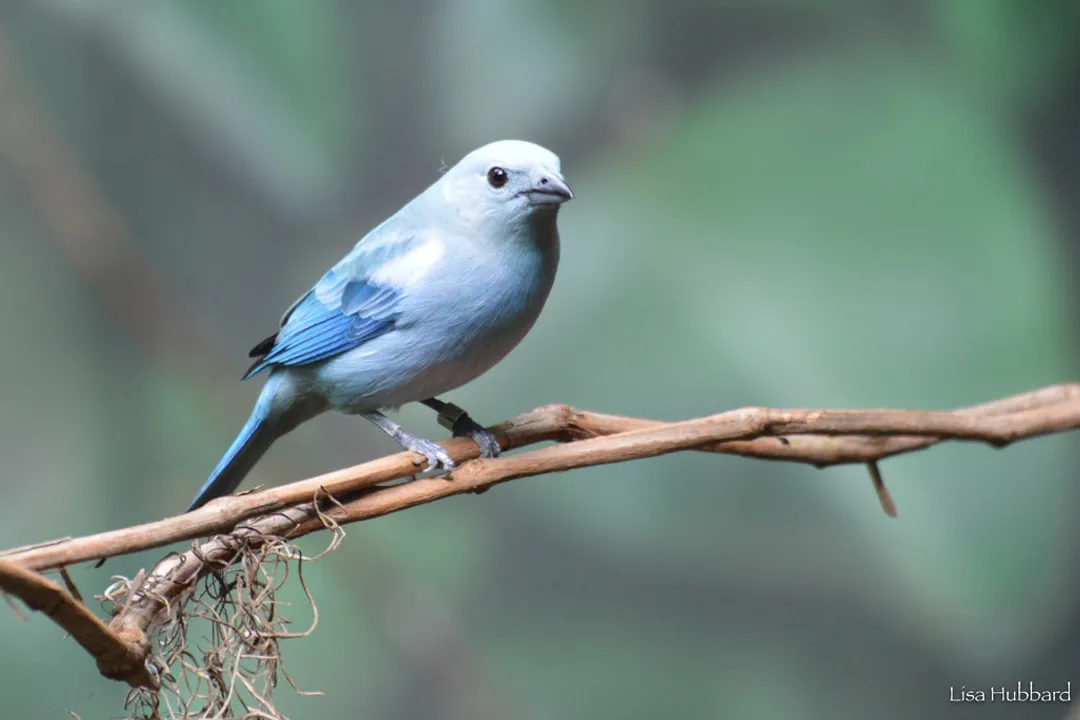
The bird most commonly identified when asking about a "blue tanager" is the Blue-gray Tanager (Thraupis episcopus), a strikingly common and widespread species across the tropical Americas. [1][2][3] This vibrant songbird is not a single, uniform shade of blue but rather exhibits a beautiful, graduated plumage that helps it blend surprisingly well into its varied surroundings, despite its name. [1][3] For many birdwatchers in its range, spotting this species is often an entry point into the world of neotropical avian life, given its comfort around human habitation. [3][7]
# Plumage Description
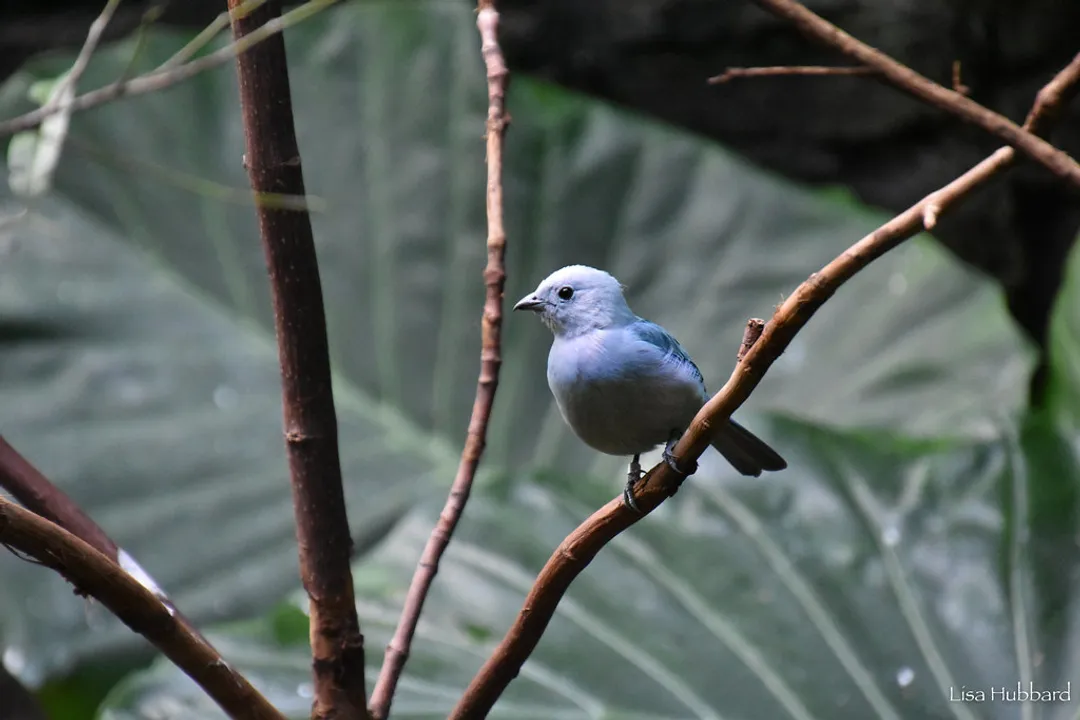
The adult Blue-gray Tanager presents a relatively understated yet elegant appearance when contrasted with some of its more vividly colored tanager relatives. [1] The body is generally a soft, pale blue-gray, which lends the bird its name. [1][3] However, looking closer reveals subtle variations across its form. The wings and tail feathers are typically darker, often appearing dusky or blackish-blue, creating a contrast with the paler body. [1] Observers have noted that the rump and sometimes the belly can appear even paler than the chest, offering a soft wash of light color. [3]
Size-wise, the Blue-gray Tanager is classified as a medium-sized songbird. [1] While the overall impression is blue-gray, slight geographical variations exist across its extensive range, sometimes leading to slightly different shades or intensity of color depending on the specific subspecies. [1] Juvenile birds often share the general pattern but can appear duller or more muted in tone compared to the adults. [3] For instance, some descriptions note a slightly darker blue wash on the head and mantle, transitioning to a paler blue or grayish-white on the throat and belly. [3] A key field mark, which helps distinguish it from certain similar species, is the often-paler coloration on the lower breast and belly, a detail that can be crucial when viewing the bird from below while it feeds high in the canopy. [3]
# Geographic Range
The sheer breadth of the Blue-gray Tanager's distribution is remarkable, solidifying its status as a familiar sight across much of Central and South America. [1][3] Its historical and current range extends from southern Mexico southwards, covering much of Central America and reaching deep into the northern regions of South America, including countries like Colombia, Venezuela, and down toward northern Argentina and Bolivia. [1][3] This massive distribution covers diverse environments, which speaks volumes about the species' adaptability.
The bird is not restricted to pristine, deep rainforests, which is a common characteristic for many colorful neotropical birds. Instead, it thrives in disturbed areas, open woodlands, forest edges, secondary growth, and perhaps most notably, in areas influenced by people. [1][3] From the perspective of someone living in or visiting one of its native locales, this means the Blue-gray Tanager is a frequent visitor to gardens, parks, agricultural clearings, and even the outskirts of busy towns and cities. [3][7] For instance, in locations like San Ignacio, Belize, this tanager is cited as a common inhabitant of the local scenery, frequently seen near human activity. [7]
# Diet and Foraging Habits
The dietary preferences of the Blue-gray Tanager place it firmly within the frugivorous group, meaning its diet is heavily reliant on fruit. [1][3] This preference for soft, sugary fruits links it directly to seed dispersal, making it an important component of the forest ecosystem wherever it resides. [3] They consume a variety of small fruits found in the middle and lower strata of the forest or in fruiting shrubs in open areas. [1]
However, relying solely on fruit would paint an incomplete picture of its feeding strategy. Like many tanagers, Thraupis episcopus supplements its diet with insects and other small arthropods. [1][3] These protein sources are particularly vital during the breeding season when chicks require more dense nutrients than fruit alone can provide. [3] Observers have documented the tanager foraging actively, often gleaning insects from foliage or catching them in short, acrobatic sallies into the air, known as flycatching. [2][3] This varied diet is a significant factor in its success across different habitats, as it can switch emphasis between fruit and insects depending on seasonal availability. [3] When you see one perched quietly on a wire or a fence post in a suburban garden, it is often scanning the nearby vegetation for that next insect meal or waiting for a specific fruit to ripen. [2]
# Urban Dweller Analysis
The Blue-gray Tanager’s tolerance for human presence is a significant ecological feature worth noting. While many exotic species require deep wilderness buffers to survive, this tanager seems to actively favor environments modified by human activity. [3] This suggests a high degree of behavioral plasticity—the ability to change behavior to match new conditions. It’s not just that they tolerate gardens; they often prefer them over continuous, dense forest. This preference likely stems from the concentrated, reliable food sources often available in manicured landscapes, such as ornamental fruit-bearing shrubs or easily accessible insect populations stimulated by cleared areas. [3]
Consider the difference in foraging opportunities: a dense, closed-canopy primary forest might offer a predictable, diverse fruit supply, but it often requires more effort to find individual insects and may have higher competition. In contrast, a suburban yard, perhaps with bird feeders or consistent flowering plants, offers an artificially concentrated food patch. The Blue-gray Tanager has evolved or adapted to exploit these anthropogenic resources effectively, making it one of the more frequently encountered tanagers in populated zones of its range. [3][7] This adaptability sets a good baseline for understanding why it remains widespread when other, more specialized birds face habitat fragmentation challenges.
# Captive Populations
Beyond the wild, the Blue-gray Tanager is also known in aviculture and in zoological institutions, indicating that its care requirements are relatively well-understood. [4][5] Zoos, such as the Cincinnati Zoo and the Louisville Zoo, have featured this species in their exhibits, often highlighting their colorful diversity of neotropical birds. [4][5] Keeping them in captivity allows for closer study of their behavior and natural history when field observation is difficult. [5] Generally, successful captive management involves providing a diet rich in fruit, supplemented with insect protein, mirroring their natural opportunistic feeding habits. [3]
# Distinguishing Features and Field Tips
For a birdwatcher hoping to confirm they have spotted a Thraupis episcopus, distinguishing it from other similarly colored tanagers or other blue birds is important. [1] Because the name itself is so descriptive, initial identification is often straightforward, but confusion can arise, particularly in regions where multiple blue-hued birds coexist.
One critical area for positive identification involves subtle color cues. While the body is blue-gray, the wings often show darker blue or blackish feather edges, sometimes appearing almost black against the paler body color. [1] Furthermore, the eye-ring is generally inconspicuous or blends in, which can be a point of contrast with other species that have bright yellow or white rings.
Here is a quick field guide comparison, recognizing that exact shade can vary based on light and subspecies:
| Feature | Blue-gray Tanager | Hypothetical Similar Blue Bird |
|---|---|---|
| Body Color | Pale blue-gray | Deep azure or turquoise |
| Wing/Tail | Darker blue/blackish edges | Uniformly blue |
| Underparts | Often slightly paler on the belly/vent | Uniformly colored chest to belly |
| Habitat Preference | Open areas, gardens, towns | Dense, unbroken forest interior |
| [1][3] |
When observing the bird, pay close attention to the wing patch. While not always obvious in poor light, many Blue-gray Tanagers exhibit a faint patch of paler blue or whitish feathers on the lesser or median coverts of the wing, which can flash in flight or sunlight. [1] If you are in a location where the bird is known to occur, such as near San Ignacio in Belize, its general presence in the canopy or perched on prominent wires in open areas is often the first confirmation you need. [7] Unlike some flashier tanagers that stay hidden, the Blue-gray Tanager frequently sings and calls from exposed perches, making observation easier. [2] Their calls are described as simple, clear notes, often heard before the bird is seen, giving you a chance to prepare your binoculars for that telltale blue-gray silhouette against the sky. [2]
#Videos
Stunning Blue-gray Tanager Takes a Bite | September 20, 2023
Related Questions
#Citations
Blue-gray tanager - Wikipedia
Blue-gray Tanager Thraupis episcopus - eBird
Blue-gray Tanager Thraupis episcopus - Birds of the World
Blue-Grey Tanager - Cincinnati Zoo & Botanical Garden
Tanager, Blue-gray - Louisville Zoo
Stunning Blue-gray Tanager Takes a Bite | September 20, 2023
Tanagers | Smithsonian's National Zoo and Conservation Biology ...
Wildlife & Nature feat. Blue-Gray Tanager - San Ignacio Resort Hotel