Do male and female blue tanagers look alike?
The answer to whether male and female blue tanagers look alike is complex, primarily because "blue tanager" is a common descriptor that applies to several distinct species across the Americas, each with its own rules regarding sexual dimorphism. Rather than finding a single, unified standard, an examination of the prominent species—the Blue-grey, Turquoise, Blue-necked, and Blue-and-Yellow Tanagers—reveals a spectrum ranging from near-identical pairs to subtly differentiated duos.
# Blue-grey Simplicity
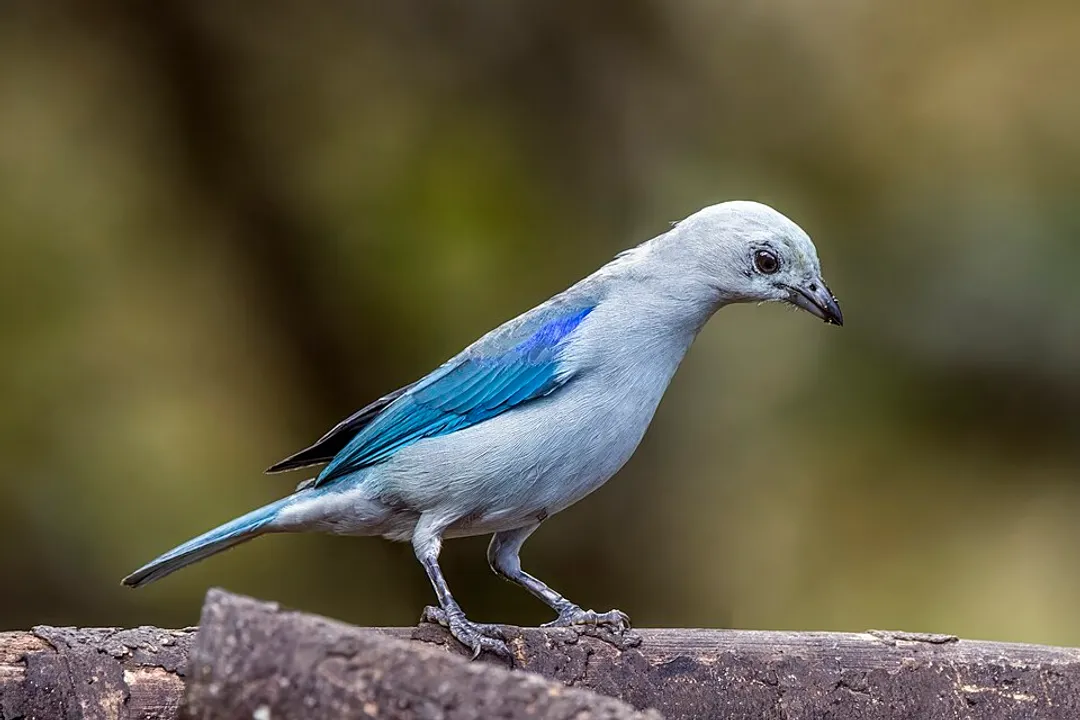
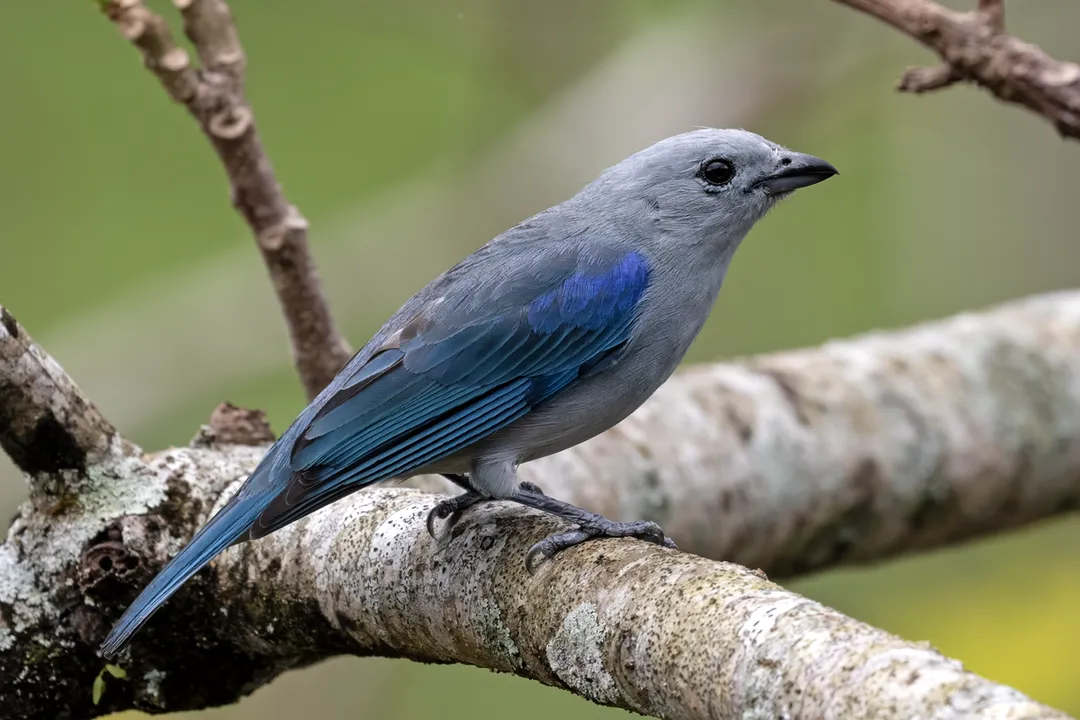
For the Blue-grey Tanager (Thraupis episcopus), the general rule for adults is striking similarity. This bird, which is common across a wide range from Mexico down into the Amazon Basin and has even established a presence in Florida, is often referred to as the "blue jean" on islands like Trinidad and Tobago. When observing mature Blue-grey Tanagers, you will find that the sexes are visually alike. Adults display the characteristic light bluish head and chest transitioning to darker blue upperparts, with the shoulder patch exhibiting a slightly different shade of blue.
However, this similarity is only true for the fully mature birds. The immature plumage is notably duller than that of the adults. A dedicated breeder working with this species noted that while the sexes are very similar, the female’s color might be slightly greyer than the male's, a difference that is exceptionally hard to decipher unless multiple adults are viewed together side-by-side in ideal lighting conditions. This highlights a common theme in bird identification: what is technically dimorphic in one species might be functionally monomorphic in the field.
# Subtle Distinctions
Moving to other vibrant members of the blue-hued group, we encounter species where differentiation is possible, though not always straightforward.
The Turquoise Tanager presents a slight contrast. Both the male and female share that spectacular combination of metallic blue, turquoise, and black plumage. The species has defined features, including blue faces and neck sides, black upper parts and wings, and yellow to pale underbellies. Despite sharing this pattern, the females often exhibit less vivid coloration compared to the males. This is a classic, if subtle, form of sexual dichromatism, where color intensity, rather than pattern or hue, separates the sexes.
The Blue-and-Yellow Tanager also falls into this category of subtle difference. Its vibrant cobalt blue head and back contrast sharply with a bright yellow chest and belly. Here too, the male generally possesses the more vivid coloration, while the females tend toward duller shades and may appear slightly greener in their blue areas. For the casual observer, confusing the sexes requires close observation under good natural light, as the variation is not drastic.
# No Dimorphism
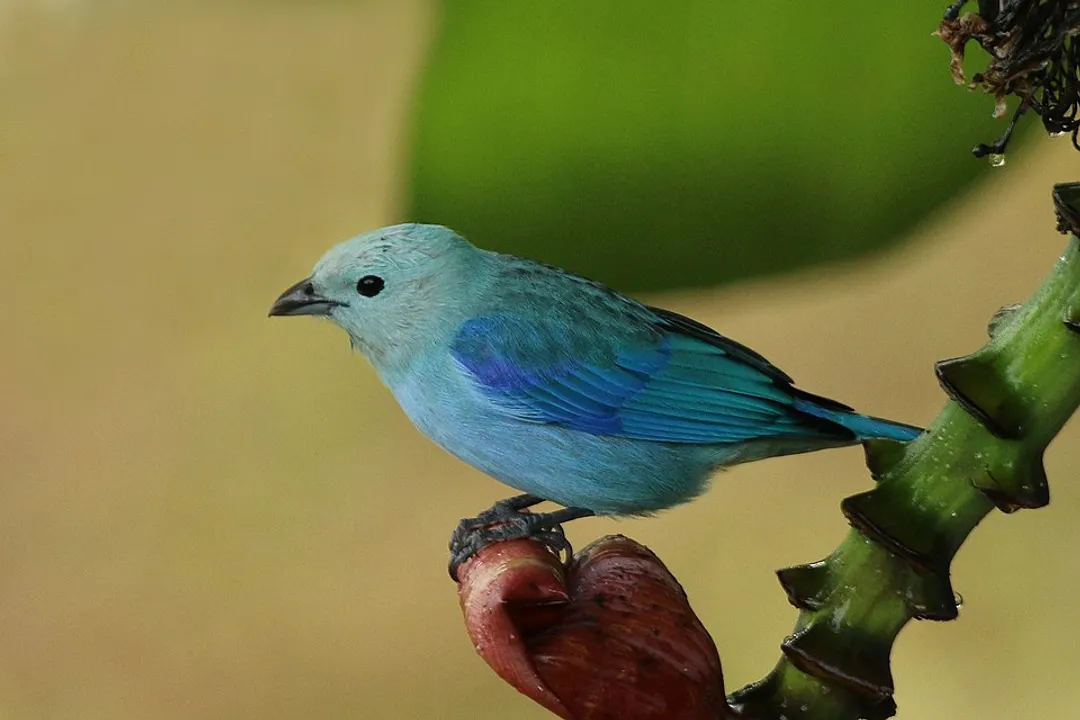
The Blue-necked Tanager offers the clearest case of sexual similarity among the species examined. Its namesake feature—a royal blue throat and chest set against a turquoise and green body—is displayed by both sexes equally. In this case, there is little to no sexual dimorphism recorded, meaning differentiating the male from the female in the wild is exceedingly difficult based on plumage alone. Juveniles are easily separated as they are duller and more green, but once mature, the sexes present as virtually identical.
This presents a practical challenge for field identification. Given that the Blue-grey Tanager is described as having sexes so similar it’s hard to tell them apart unless several are together, a crucial tip for birders is to never rely on minute structural differences like bill length or posture for species known to be highly monomorphic. If you are viewing a single specimen of a species like the Blue-grey or Blue-necked Tanager, the safest assumption, barring plumage differences from age, is that you are seeing both sexes looking the same. The slight color variance in the female Blue-grey Tanager mentioned by one observer is only really apparent under direct comparison, which is a luxury rarely afforded in a fleeting sighting.
# Overall Spectrum
When comparing these four species, a clear pattern emerges: blue tanagers are more often sexually similar than dimorphic. The scale runs from complete likeness, as seen in the Blue-necked Tanager, to subtle difference based on color saturation, as seen in the Turquoise and Blue-and-Yellow species. The Blue-grey Tanager occupies the middle ground, being functionally monomorphic in adults despite potential minor, undetectable color variations.
It is fascinating to consider the ecological pressures that might shape this visual similarity. For instance, the highly adaptable Blue-grey Tanager, thriving in gardens and cultivated areas, and the Blue-necked Tanager, also frequenting gardens, tend toward complete similarity. In contrast, the Blue-and-Yellow Tanager, which prefers forest edges, shows subtle dimorphism. This correlation suggests that in more open, perhaps socially complex, or human-adjacent habitats, the need for elaborate male display feathers—often the source of pronounced sexual dimorphism in other bird families—may be reduced, favoring camouflage or reduced energy expenditure on sex-specific plumage. While this remains an interesting observation based on habitat notes, it implies that the evolutionary driver for appearance is highly dependent on local environment and social structure, rather than just the presence of the color blue in their feathers.
Ultimately, if the bird you are observing is an adult Blue-grey, Blue-necked, or Turquoise Tanager, the odds are high that the male and female look nearly identical, or at least similar enough to cause considerable field confusion. Only by obtaining excellent views of the subtle shading difference in the Blue-and-Yellow Tanager might an observer confidently sex an individual without behavioral cues.
Related Questions
#Citations
Turquoise tanager - National Zoo
Blue-Necked Tanager vs Blue-and-Yellow Tanager - Birdbuddy WIKI
Breeding Blue-grey Tanagers - AFA Watchbird
Blue-gray tanager - Wikipedia
Blue tanager | bird - Britannica
Blue-grey Tanager | Lincoln Park Zoo