How is the genus *Grus* generally distinguished from other crane genera based on physical structure?
Answer
Differences in skull structure and leg morphology
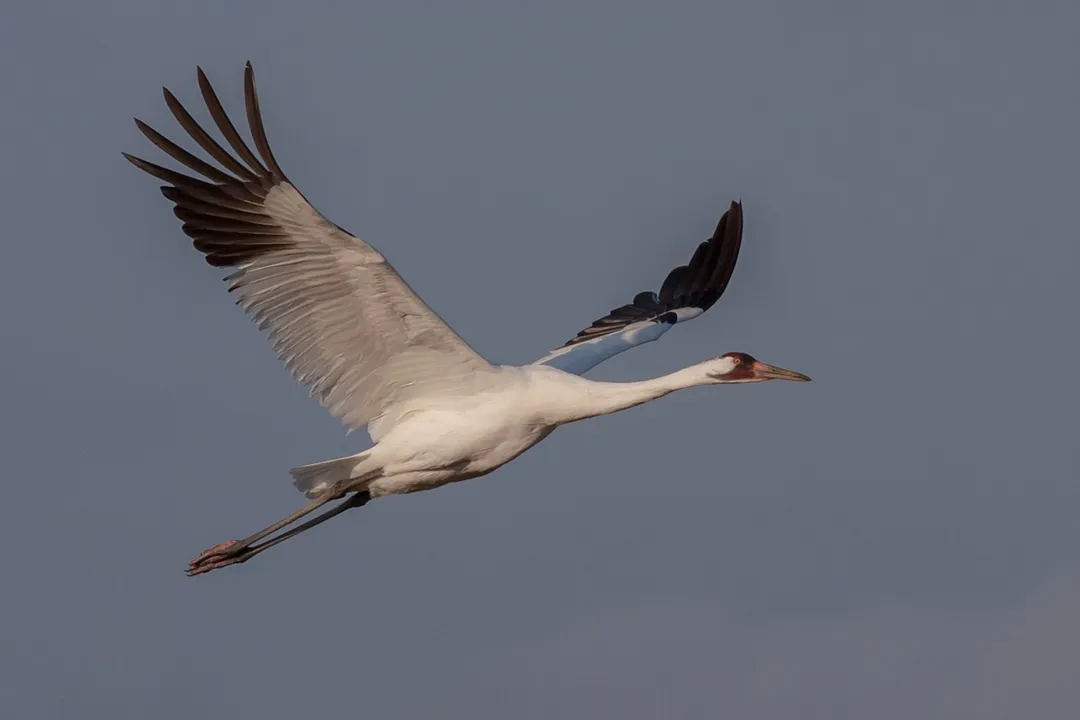
While many cranes share the general body plan of large, long-legged, long-necked birds, the genus *Grus* is specifically delineated from other crane genera through finer morphological details observable in established scientific literature. These distinctions are often based on subtle but consistent variations found in the skull structure and the morphology of the legs. These physical markers, along with slight variations in mating displays and vocalizations, provide the criteria necessary for placing species like the Whooping Crane (*Grus americana*) and the Common Crane (*Grus grus*) into the same genus grouping.
Related Questions
What specialized feature produces the Whooping Crane's trumpeting calls within Family Gruidae?Which combination of traits characterizes the Whooping Crane's placement in Class Aves?What characteristic confirms the Whooping Crane's placement in Phylum Chordata?How is the genus *Grus* generally distinguished from other crane genera based on physical structure?How does the species status of *Grus americana* affect regulatory review for development in states like Idaho or North Dakota?What distinct plumage feature characterizes immature *Grus americana* compared to the striking appearance of the adults?What common physical characteristic defines members typically placed in the Order Gruiformes?What key difference in flight posture separates Family Gruidae from Herons (Ardeidae)?What specific conservation status rank does NatureServe assign to *Grus americana* globally?Which genera, besides *Grus*, were historically suggested for the placement of the Whooping Crane based on older classifications?