Woodpecker Scientific Classification
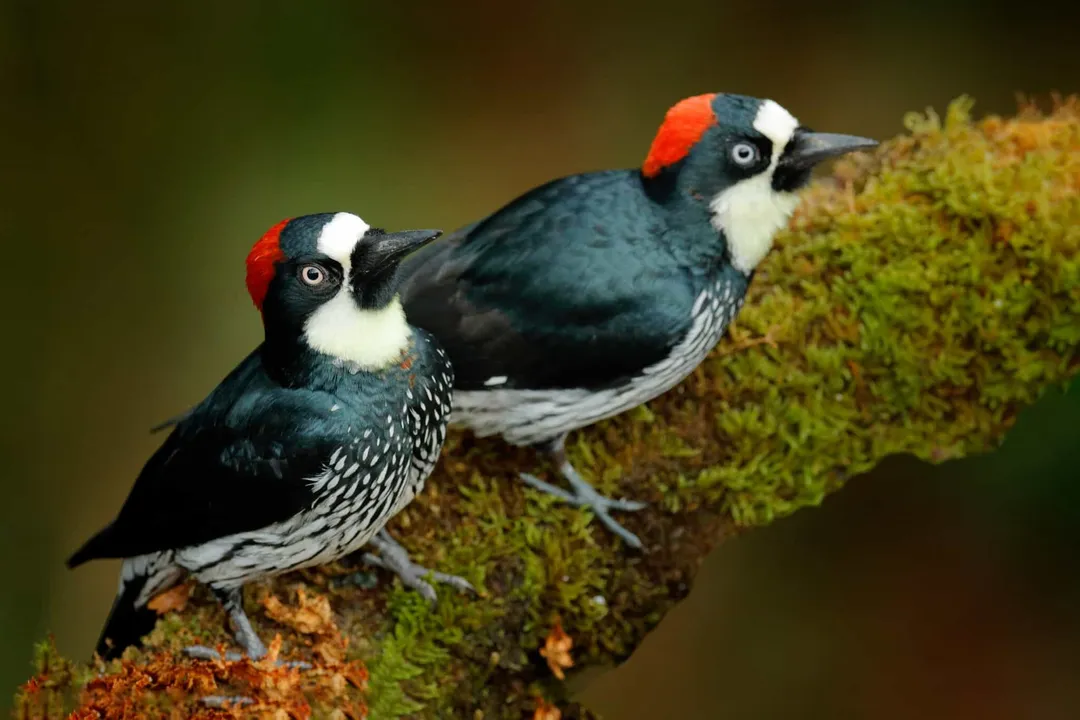
The world of birds is organized into intricate systems of classification, placing every species into a precise biological address. For woodpeckers, these avian specialists known for their rhythmic drumming and powerful drilling, their place in this system reveals much about their evolutionary history and unique adaptations. These birds belong firmly to the order Piciformes. [1][8] This order groups birds that share a common ancestry and fundamental characteristics, and while woodpeckers form the largest and most familiar component, the Piciformes group also contains other distinct families, such as the toucans and barbets. [1][8] Understanding this placement is the first step in appreciating their scientific standing.
# Bird Order
The assignment to Order Piciformes is significant because it separates woodpeckers from birds that might superficially resemble them, like sapsuckers or flickers that sometimes exhibit similar behaviors but sit on different branches of the avian tree. [1] The defining characteristics that unite the Piciformes are often related to skeletal structure and certain developmental traits, although external features like the distinctive bill are more readily observable by the general enthusiast. [8] While the toucans, known for their oversized, colorful bills, share this order, it highlights that classification is not always based on the most obvious visual traits shared between all members. [1]
# Family Rank
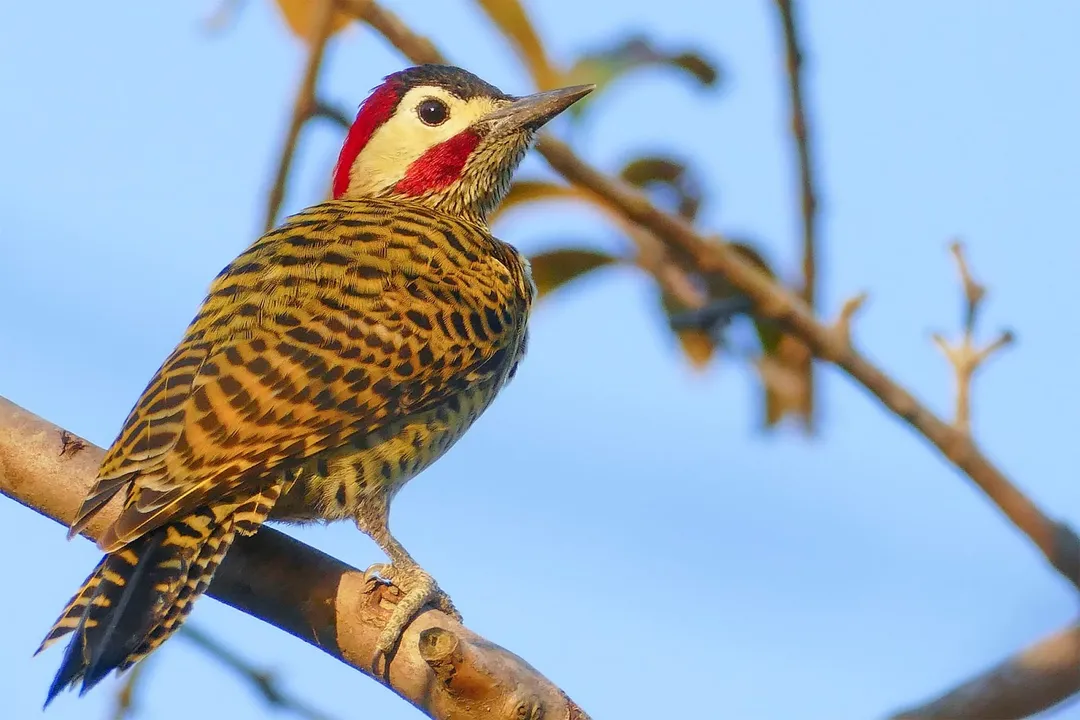
Within Piciformes, woodpeckers occupy the family Picidae. [1][6][9] This family is remarkably successful and widespread, encompassing nearly 200 species found across the globe, except for the most extreme polar regions and some oceanic islands. [1] This substantial number of species means that the Picidae family is itself quite diverse, representing a significant evolutionary radiation from a common ancestor. [9] Birds grouped here share the specialized adaptations necessary for their namesake activity: excavating wood for nesting and foraging. [1][2]
The classification structure within Picidae moves from subfamilies down to genera, reflecting closer and closer relationships between groups of birds. [6] Based on current understanding, the family Picidae is divided into several recognized subfamilies, which helps ornithologists organize the wide array of shapes, sizes, and behaviors observed globally. [1] For instance, the typical woodpeckers, jacamars, and barbets are often separated into different subfamilies, though the primary focus of the term "woodpecker" usually centers on the groups most famous for drumming and drilling. [1][8]
# Subfamily Groups
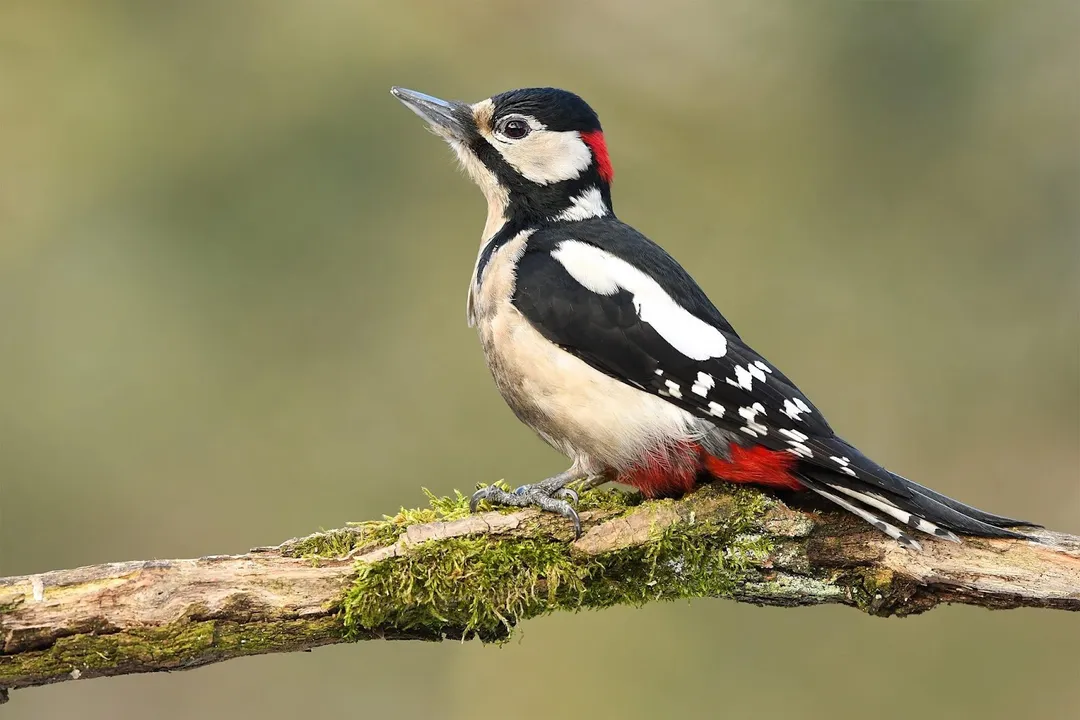
A closer look at the taxonomy reveals how closely related species are grouped. The family Picidae typically includes four main subfamilies: Picinae (the true woodpeckers), Jynginae (the wrynecks), Picumninae (the piculets), and Capitoninae (the barbets), though exact groupings can vary slightly depending on the specific taxonomic viewpoint adopted. [1][6] It is worth noting that some classifications treat the barbets separately or group them differently, underscoring that taxonomy is a dynamic field. [8]
The Picinae subfamily contains the vast majority of what people universally recognize as woodpeckers—the iconic birds with strong bills and stiff tail feathers used as props. [1] Within this large group, further division occurs by genus. For readers focused on North American birds, genera such as Dryocopus (large, powerful excavators like the Pileated Woodpecker) and Melanerpes (like the Red-bellied Woodpecker) represent distinct evolutionary paths within the same subfamily. [5][7] Understanding these familial and subfamilial divisions clarifies why, for example, a small piculet, which forages differently and lacks the stiff tail prop, is still classified as a close relative to a large Pileated Woodpecker—they share core anatomical blueprints established early in their evolutionary divergence within Picidae. [1][9]
# Genus Diversity
The genus level provides an even finer resolution of relationships. For example, the genus Picoides might contain several species of small, often spotted or barred woodpeckers that share very similar foraging strategies and physical dimensions. [6] Contrast this with a genus like Sphyrapicus (the sapsuckers), which, while still in the woodpecker family, exhibit specialized feeding behaviors involving drilling sap wells, warranting their own genus designation due to these unique adaptations. [1][7]
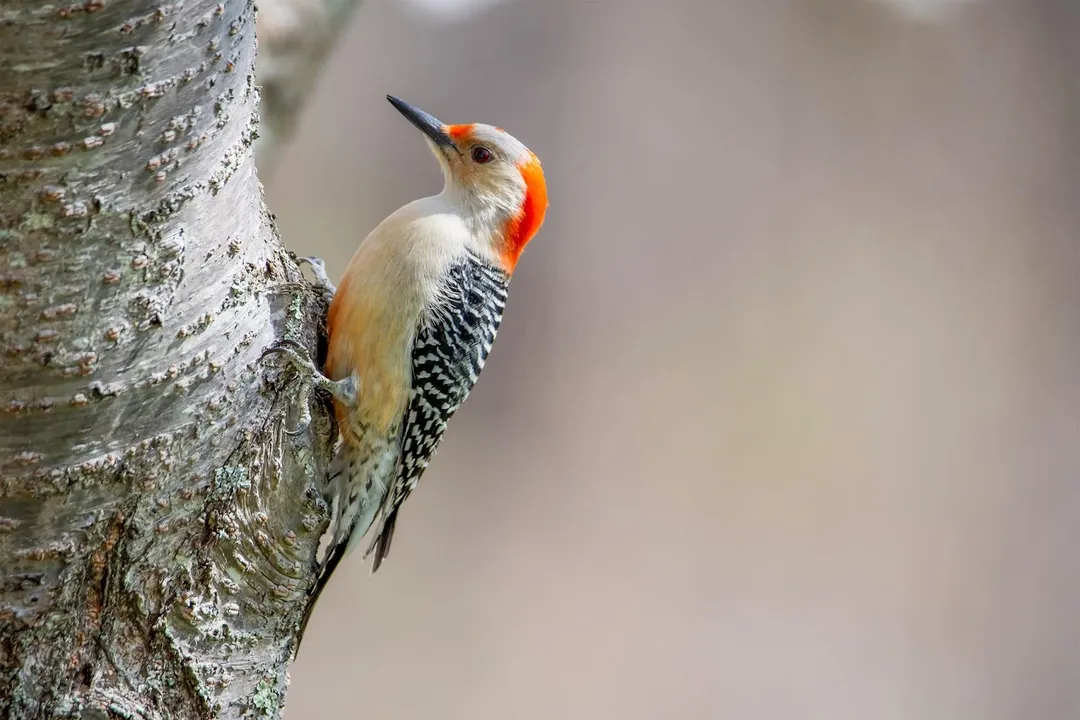
If one were mapping out the Picidae family for a regional study, say focusing just on North America, they would likely encounter genera such as Colaptes (flickers), Dryobates, Melanerpes, and Sphyrapicus. [7] The distinctions between these genera often relate to subtle differences in bill shape, tongue structure, or preferred foraging substrate—differences that are critical to ecologists studying niche partitioning among closely related species in the same habitat. For instance, while a Red-bellied Woodpecker (Melanerpes carolinus) might favor probing crevices in live oaks, a related Flicker might spend more time foraging on the ground for ants, a behavioral difference reflected in their genus classification. [5] Thinking about these genera helps move beyond viewing "woodpecker" as a single concept to appreciating the specialized roles these birds fill based on their taxonomic placement.
# Morphological Basis
The scientific classification of woodpeckers is deeply tied to their unique morphology. The Order Piciformes established a baseline for bird structure, but the Family Picidae refined this for a life spent hammering wood. [8] Key features unifying them include the zygodactyl foot arrangement—two toes pointing forward and two pointing backward—which provides exceptional gripping power on vertical surfaces. [1][9] This is contrasted with the more common four-toes-forward arrangement found in perching birds.
Another fundamental characteristic, vital for their classification within Picidae, is the structure of the tongue and bill. [1][2] The bill acts as a sturdy chisel, and the tongue is incredibly specialized, often being barbed at the tip and very long, allowing them to probe deep into tunnels to extract insects. [1][2] The fact that nearly all species within Picidae share this suite of adaptations—the stiff tail feathers acting as a brace, the specialized feet, and the probing tongue—is what solidifies their placement in this single family, even when visual appearances vary widely between a tiny piculet and a large ivory-billed type (though the latter is now considered extinct). [1][9]
# Classification Examples
To ground the abstract classification, consider a well-known North American resident like the Red-bellied Woodpecker (Melanerpes carolinus). [5] Its specific address places it as:
| Taxonomic Rank | Classification | Source |
|---|---|---|
| Order | Piciformes | [1][8] |
| Family | Picidae | [1][6] |
| Subfamily | Picinae | [1] |
| Genus | Melanerpes | [5][7] |
| Species | carolinus | [5] |
This placement shows how the general characteristics of the Order (Piciformes) are refined into the specific behaviors associated with the Genus (Melanerpes), which often corresponds to distinct habits like being a generalist forager that caches food. [5][7] By comparison, if we looked at a Flicker (Colaptes genus), we would see a bird that retains the Picidae structure but has evolved to spend significantly more time foraging on the ground, a difference important enough for its placement in a separate genus within the same subfamily. [7]
# Geographic Context
The distribution of the Picidae family reflects its evolutionary success. While they are found across vast swathes of the world, their specific taxonomic groupings show regional specialties. [1] For example, while the Picinae subfamily is nearly worldwide, the presence and diversity of specific genera can vary significantly by continent. [1][7] An ornithologist studying birds in, say, the Amazon Basin will encounter genera and species entirely absent from the North American guides, yet these tropical birds share the defining features that place them squarely in Picidae. This global sweep, demonstrated by the numerous genera cataloged across various regions, [6][7] confirms that the challenges of excavating wood for sustenance provided a strong, persistent selective pressure that united these birds evolutionarily, regardless of their local habitat. [2] Observing how different genera have adapted to diverse climates—from the temperate forests of North America to the tropical zones—while retaining the fundamental woodpecker structure offers a real-world testament to the strength of the Family Picidae grouping. [1]
Related Questions
#Citations
Woodpecker - Wikipedia
Woodpecker Bird Facts - A-Z Animals
What is the scientific classification of woodpeckers? - Facebook
Picidae - Woodpeckers - Birds of the World
Red-bellied Woodpecker - Melanerpes carolinus - NatureWorks
Picidae Browse by Family, All About Birds, Cornell Lab of Ornithology
Guide to Woodpeckers of North America - Avian Report
Piciform - Woodpeckers, Toucans, Barbets - Britannica
Woodpeckers - The Science of Birds