How does the plumage of juvenile Blue-gray Tanagers compare to that of adults?
Answer
Juveniles are noticeably duller, often appearing more grayish overall
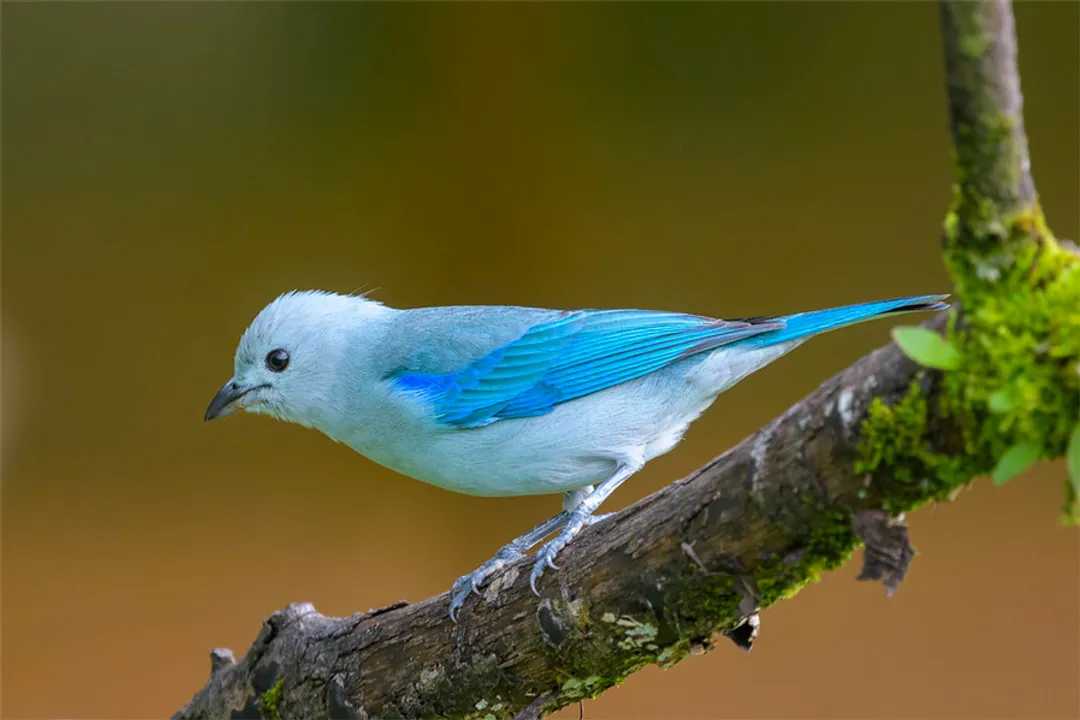
The juvenile plumage is described as noticeably duller, lacking the crispness of the adult blue tones and generally appearing more grayish or washed-out.
Related Questions
What is the crucial field mark for identifying the Blue-gray Tanager even in poor lighting?Which habitat type is the Blue-gray Tanager frequently found thriving in?What is the primary component of the Blue-gray Tanager's diet?How do the plumage appearances of male and female Blue-gray Tanagers compare?Where does the Blue-gray Tanager show a strong preference for nesting?What is the approximate northern geographical limit of the Blue-gray Tanager's distribution mentioned in the text?How are the wings and tail feathers of the adult Blue-gray Tanager typically described?How does the Blue-gray Tanager typically behave around humans in accustomed areas?How is the typical vocalization of the Blue-gray Tanager often described?According to the IUCN, what is the current conservation status of the Blue-gray Tanager?How does the plumage of juvenile Blue-gray Tanagers compare to that of adults?In which canopy layer do Blue-gray Tanagers typically forage for food?