What are the characteristics of the Blue Andalusian?
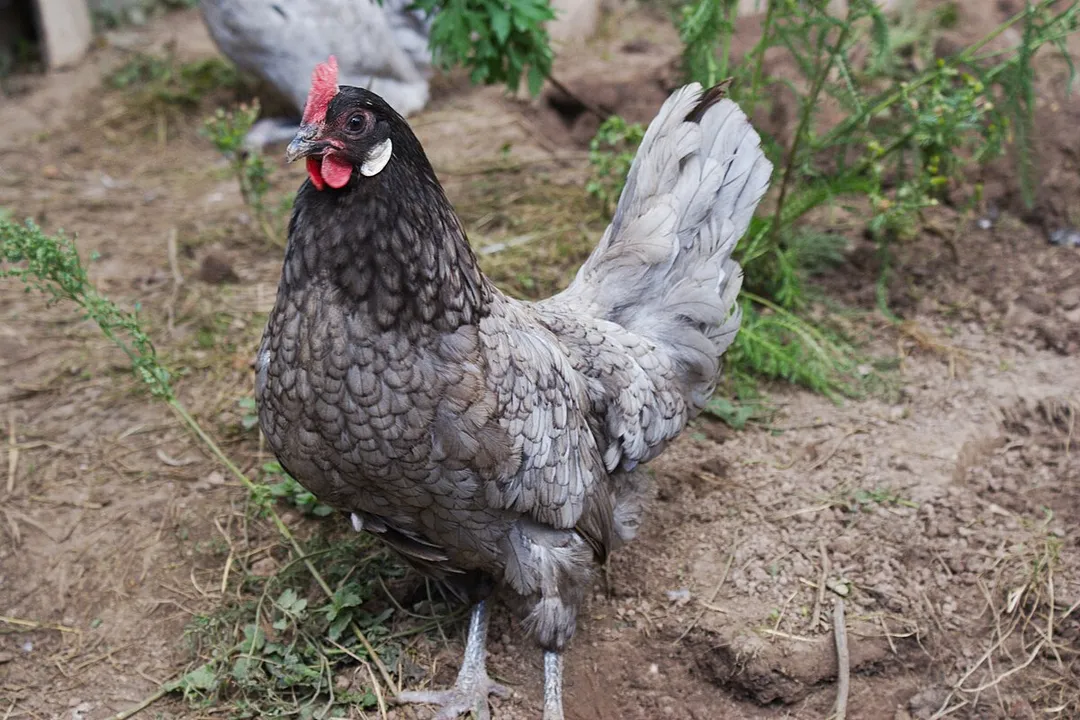
The striking presence of the Blue Andalusian chicken breed is defined almost entirely by its unique slate-blue plumage, setting it apart in any flock. These birds possess an elegant, upright carriage and a refined appearance that speaks to their Mediterranean heritage. While they are a recognized standard breed, their specific characteristics—from their temperament to their less-than-stellar production numbers—make them a distinct choice for poultry keepers who value aesthetics and history over sheer utility.
# Mediterranean Roots
The ancestry of the Blue Andalusian traces back to Andalusia, the southern region of Spain, which gives the breed its name. They were later imported to England, where they were standardized into the form recognized today. In the United States, they were accepted into the American Poultry Association’s Standard of Perfection quite early, appearing on the list by 1874.
Despite their history as domestic fowl, Andalusians are not known for being particularly broody mothers. This trait means that hatching eggs is often a task left to incubators rather than the hens themselves, a characteristic that speaks to their development more as exhibition or ornamental birds rather than heavy farm utility stock.
# Sleek Appearance
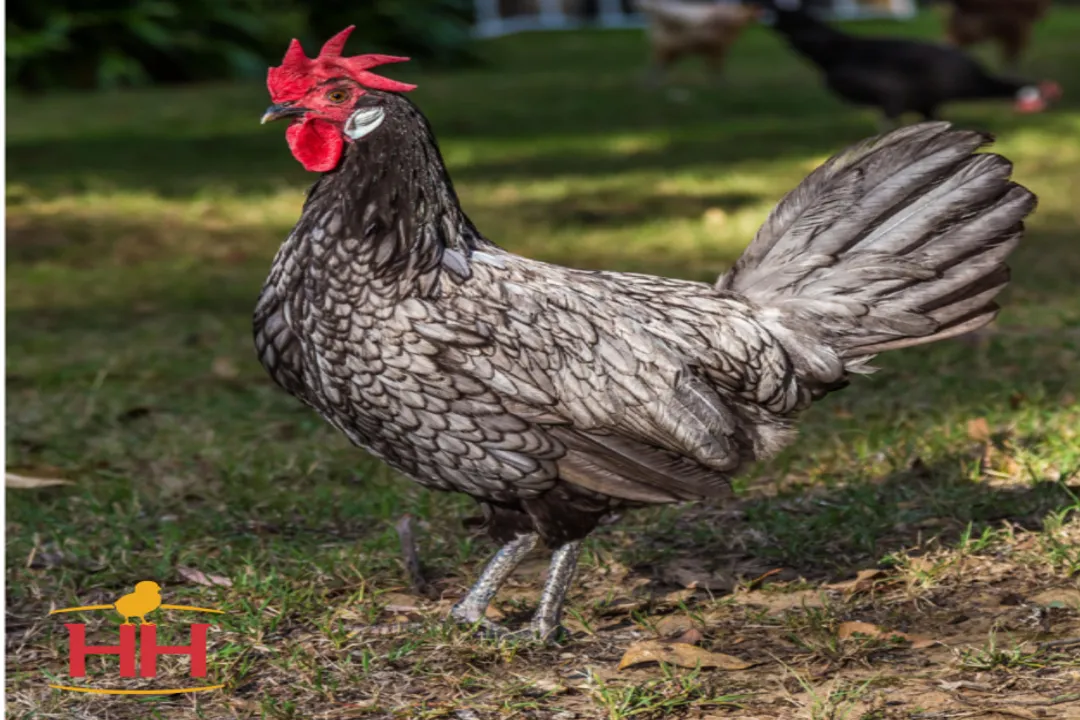
Physically, the Blue Andalusian is a bird of clean lines and delicate structure. They are medium-sized, generally falling into the medium to large weight class for chickens, though they are certainly not bred for meat production. The ideal bird stands alertly with a proud posture.
# Color Genetics
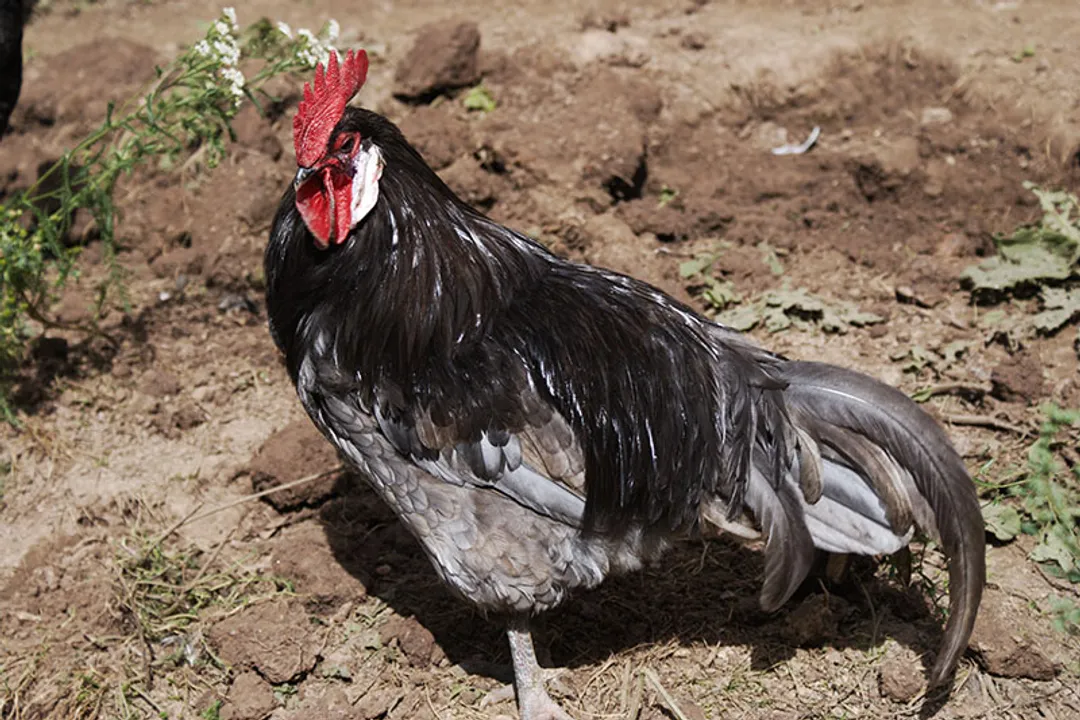
The most defining characteristic is the color: a solid, deep, uniform slate-blue throughout the body plumage. This color is achieved through a specific dilution gene that affects black pigment. However, achieving this true blue is genetically complex. In many cases, breeders may produce chicks that appear white, which are actually "Splashed White" variations carrying the blue gene, or they may see variations in the shade of blue. A truly standard Blue Andalusian requires meticulous breeding to maintain that perfect slate tone across the entire bird.
For the dedicated fancier, understanding the incomplete dominance of the blue gene is essential. If you breed two perfect blues together, you will likely hatch some black birds and some white "splash" birds alongside the desired blue progeny. This genetic reality means that maintaining a flock of pure, standard blues requires continuously culling or managing the off-color offspring, which is a much more involved process than maintaining solid-colored breeds.
# Physical Standards
Beyond the feathers, other physical markers are important for the breed standard. They should possess a single comb, which should be bright red and stand straight up on the head. Their earlobes are a crucial feature; they must be clean white, contrasting sharply with the often-red facial skin and wattles. The legs and feet are another point of distinction: they should be a dark, slate-blue or blackish color, never yellow. The bird should have four toes on each foot.
# Personality Profile
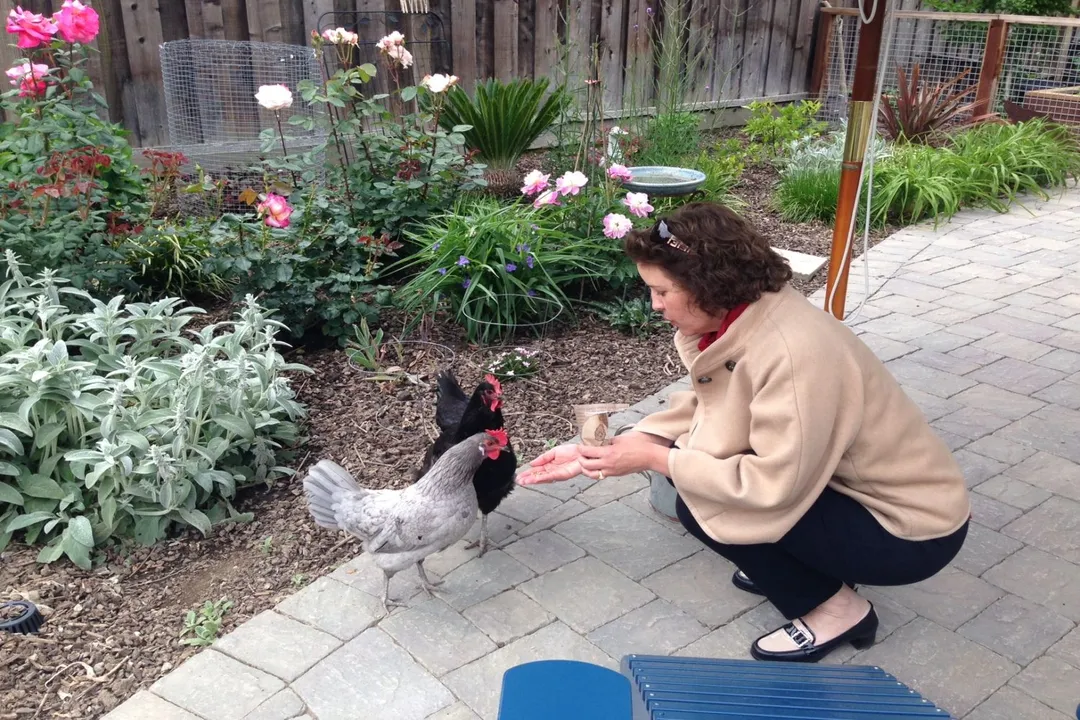
When considering temperament, the Andalusian is often described as active, alert, and intelligent. They are not typically the docile, friendly lap chickens that some backyard keepers prefer. Instead, they tend to be somewhat reserved or even wary of excessive handling, sometimes being described as slightly wild or flighty. They are excellent foragers, which suits their active nature.
This alertness makes them good watch birds, as they notice activity around the coop quickly. However, their flightiness means they require secure enclosures. While they can be kept in large runs, if given the opportunity, they will readily take to the air, necessitating high fences or secure netting over enclosures. They generally do well in mixed flocks, provided they have enough space to avoid constant stressful interaction, but they are not always the breed to choose if the primary goal is daily interaction and cuddling.
# Laying Records
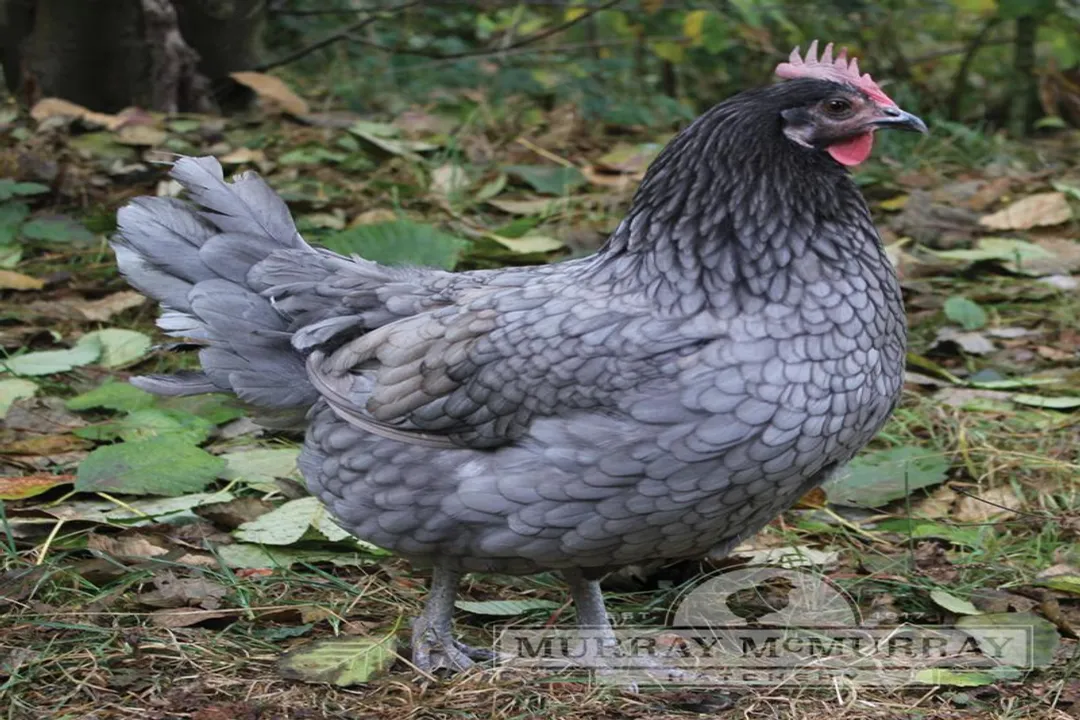
The Blue Andalusian is primarily valued for its egg production and appearance, not its carcass qualities. The eggs they produce are medium to large in size, and crucially, they are always white-shelled.
While they are decent layers, their annual production is moderate compared to modern utility breeds. A typical hen might lay around 100 to 150 eggs per year, sometimes slightly more under ideal conditions.
# Production Comparison
For keepers interested in both aesthetics and production, it's helpful to compare this output against other Mediterranean breeds. For instance, while the Leghorn is famous for high white egg production, the Andalusian lags behind considerably, making the Andalusian a breed chosen more often for show quality than for filling the egg basket.
| Characteristic | Blue Andalusian | Common Utility Layer (e.g., Leghorn) |
|---|---|---|
| Egg Color | White | White |
| Annual Production | 100–150 eggs | 200+ eggs |
| Primary Value | Exhibition/Ornamental | Production |
| Temperament | Alert, Active, Reserved | Active, Curious |
# Climate Needs
The Andalusian’s single comb, while aesthetically pleasing when perfectly formed, presents a practical challenge in colder climates. A large, non-leathery single comb is highly susceptible to frostbite when temperatures drop severely. This susceptibility suggests they thrive best in moderate or warmer environments, aligning with their Spanish origins.
To counteract this, keepers in regions with harsh winters might need to take preventative measures, such as applying an anti-freeze substance like petroleum jelly to the comb on very cold mornings, although this is a management task rather than an inherent strength of the breed. Their active foraging nature means they do require space; densely stocking them can lead to stress, which impacts both their health and their egg output.
# Conservation Note
In terms of breed preservation, the status of the Blue Andalusian can vary depending on the organization tracking it. While they are not as critically endangered as some ancient landraces, maintaining a genetically diverse and standard population is important. The Livestock Conservancy lists the breed, sometimes classifying them as "Watch" or similar categories, indicating that while they are not critically imperiled, monitoring is advised to ensure their continued presence in North America. Supporting breeders who adhere strictly to the recognized standard helps ensure the historical traits of this beautiful blue bird are preserved for future generations of poultry enthusiasts.
Related Questions
#Citations
Andalusian Chicken - The Livestock Conservancy
Blue Andalusians - Murray McMurray Hatchery
Blue Andalusian chickens: Beautiful birds for a big backyard
Introduction to Blue Andalusian Chicken Breed - Facebook
Chicken Breed Focus - Blue Andalusian
Blue Andalusian - Wikipedia
Blue Andalusian | Hoover's Hatchery
blue andalusian - Peninsula Feed Store
Andalusian Chickens | Oklahoma State University