How does the host specificity of the Elm Woolly Aphid differ from *Eriosoma lanigerum*?
Answer
The Elm Woolly Aphid is found specifically on elms
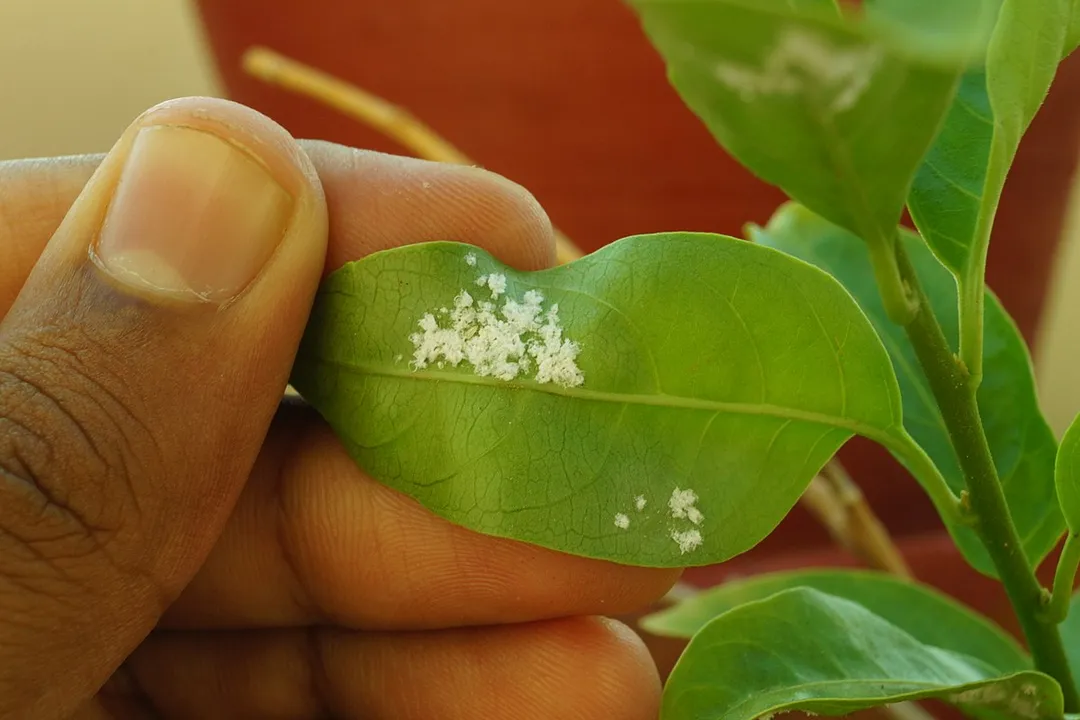
Although both the Woolly Apple Aphid and the Elm Woolly Aphid belong to the same subfamily, Eriosomatinae, their host specificity defines where they are found. *Eriosoma lanigerum* is overwhelmingly associated with the *Malus* genus (apples). In contrast, the Elm Woolly Aphid is a distinct species whose habitat is restricted specifically to elms. This distinction is vital for correct identification and management planning; scouting for *E. lanigerum* in an elm tree would likely be fruitless, just as looking for elm-specific pests in an apple orchard misses the primary target. Both demonstrate high fidelity to their respective tree genera.
Related Questions
What is the primary host genus for the Woolly Apple Aphid (*Eriosoma lanigerum*)?Where do Woolly Apple Aphid colonies frequently cluster on aerial portions of apple trees?What specific type of damage do subterranean Woolly Apple Aphid populations cause to roots?What dispersal stage is the primary driver for woolly aphids establishing colonies on entirely new plants?Besides the white flocculent material, what visible signs might alert a gardener to an active woolly aphid colony?What management method is required to control subterranean Woolly Apple Aphid root populations?What is the specific purpose of applying horticultural oils when treating visible, above-ground woolly aphid sites during dormancy?What functional advantage does the white, waxy, flocculent material provide to the woolly aphid bodies?Where do woolly aphid infestations often begin aggregating, suggesting an exploitation of plant weakness?How does the host specificity of the Elm Woolly Aphid differ from *Eriosoma lanigerum*?How are ants known to inadvertently assist woolly aphid colonies?