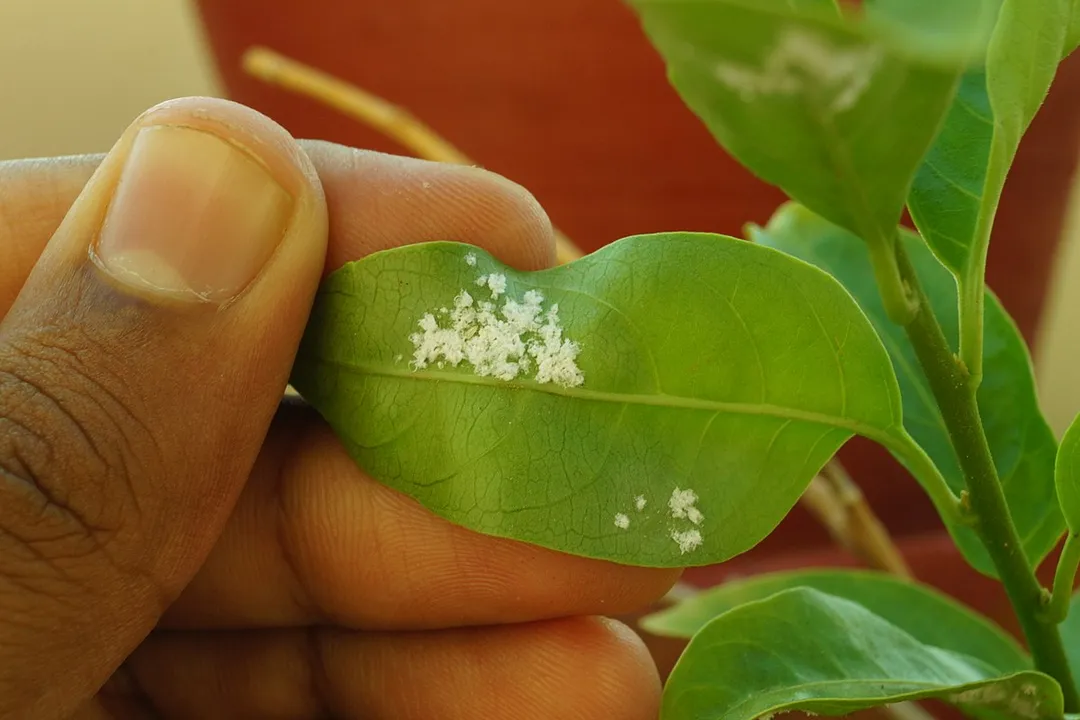
Besides the white flocculent material, what visible signs might alert a gardener to an active woolly aphid colony?
Reddish or purplish leaf discoloration or stunted growth
While the dense white, waxy fluff is the most immediate and obvious indicator of a woolly aphid infestation, the feeding activities of established colonies can manifest in subtle, systemic ways visible on the foliage and overall tree vigor. When the aphids are actively draining sap from the phloem, particularly when feeding near healing tissues or within the root system, the stress transmitted to the canopy can cause observable changes. These changes include the development of discoloration on leaves, which may present as reddish or purplish hues, and a general slowing or stunting of the tree's normal growth rate. These symptoms are crucial to recognize because they can signify an active colony is present, even if the waxy covering is concealing the insects themselves or if the root infestation is the primary source of the damage.