What specific biome dictated the historical distribution of Mammuthus primigenius across continents?
Answer
The mammoth steppe
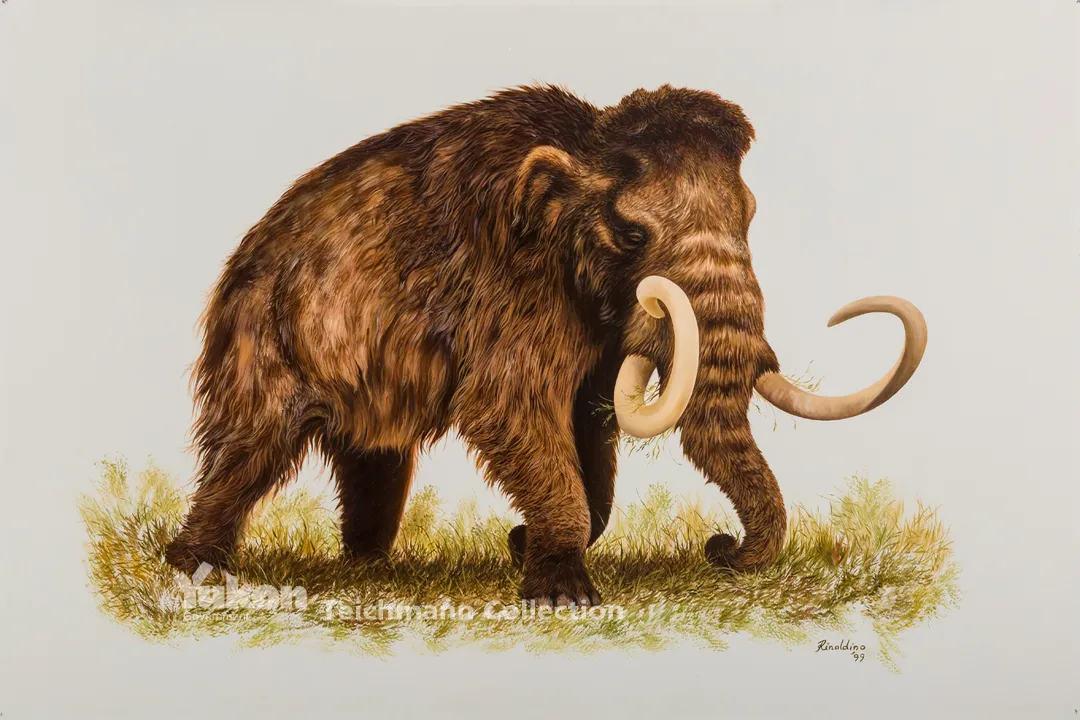
The historical presence and widespread distribution of the woolly mammoth, *Mammuthus primigenius*, were intrinsically linked to the cold grasslands environment known as the mammoth steppe. This ecosystem provided the necessary forage, consisting mainly of grasses and sedges, which constituted the bulk of their diet. The extent of this cold grassland directly defined where the mammoths could maintain viable populations across Eurasia and North America.
Related Questions
Which continents comprised the immense geographical area of the woolly mammoth's ancient domain?What specific biome dictated the historical distribution of Mammuthus primigenius across continents?Which US state location yielded woolly mammoth remains in a gravel pit, indicating southern roaming?Where were woolly mammoth remains recovered submerged off the coasts of Oregon and California?What landmass, connecting Siberia and Alaska, was the core heartland of the woolly mammoth population?What island served as the most famous final stronghold where small woolly mammoth populations persisted?Until approximately how many years ago did woolly mammoths survive on the isolated Wrangel Island refuge?How does the high-resolution data from Mishka's remains contrast with the evidence from Hot Springs, South Dakota?What paleontological feature, growing incrementally, is analyzed to map out vast seasonal movements across Siberia and Alaska?What combination of pressures likely caused the final extinction event after mainland populations vanished?What primary food sources characterized the diet of mammoths inhabiting the cold grasslands of Beringia?