How do the plumage characteristics of juvenile *Xema sabini* differ from fully mature adults?
Answer
Juvenile birds display mottled patterns, less stark than the adults.
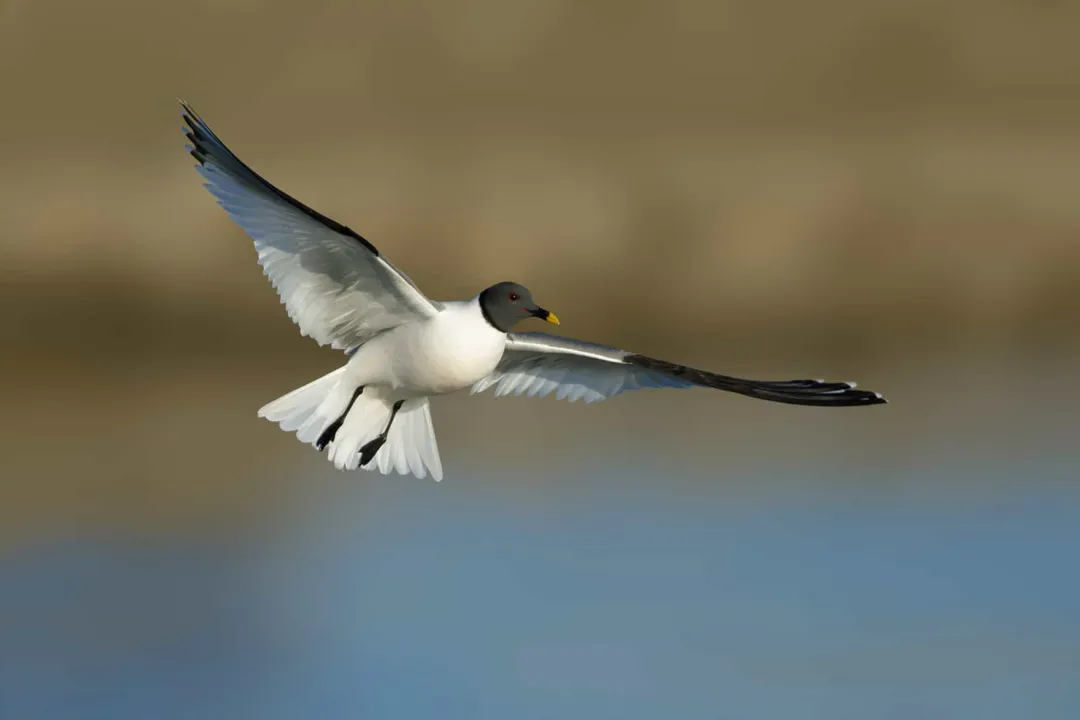
The plumage development of the Sabine’s Gull is progressive, reflecting different priorities during various life stages. Immature birds do not immediately exhibit the stark contrast seen in adults; instead, they possess less defined coloration, often manifesting as mottled patterns across their bodies. This less conspicuous appearance suggests that the full, high-contrast breeding colors are a late-stage feature, likely subject to sexual selection, which is only fully expressed once the bird has gained the necessary physiological maturity and experience to survive the arduous initial migrations.
Related Questions
What makes the Sabine’s Gull scientifically unique regarding its genus classification?Where does the Sabine’s Gull exclusively breed in the high Arctic tundra?How is the striking adult breeding plumage of the Xeme instantly recognizable?What morphological trait of the Xeme is adapted for tundra maneuvering rather than deep wading?Which two distant global regions are mentioned as potential wintering grounds for migrating Sabine’s Gulls?What describes the pelagic existence of the Sabine’s Gull during the non-breeding season?How do the plumage characteristics of juvenile *Xema sabini* differ from fully mature adults?What is the specific diagnostic feature of the Sabine’s Gull tail that matures in immature birds?What pattern defines the successful evolutionary strategy balancing Arctic breeding and global migration?How did the Xeme’s habitat partitioning promote its distinct evolutionary pathway?