Xeme (Sabine’s Gull) Diet
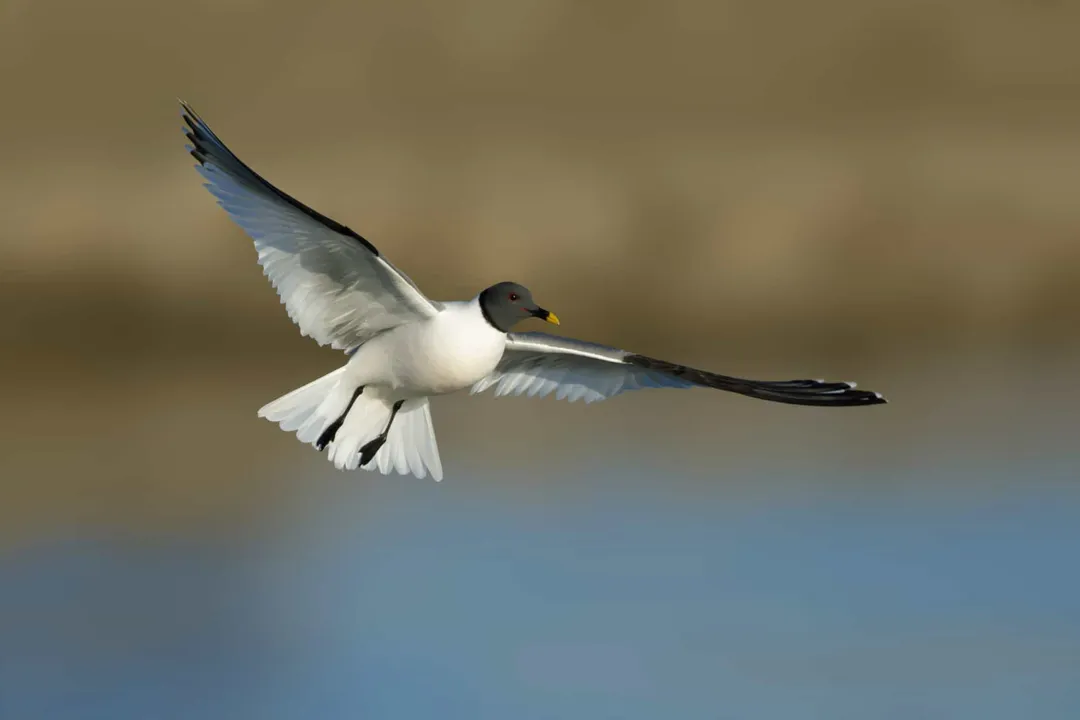
The Xeme, often better known by its more common name, Sabine's Gull (Xema sabini), presents a fascinating case study in avian dietary adaptation, its food habits shifting dramatically with its seasonal location. [3][5] This small, elegant gull, recognizable by its striking black-and-white-and-gray wing pattern, spends the majority of its life far from human view, either on the remote Arctic breeding grounds or far offshore in the Southern Hemisphere's rich ocean currents. [1][3] Its diet reflects this bipolar existence, changing from a reliance on small terrestrial and freshwater life in the summer to marine resources in the vast expanses of the ocean during migration and winter. [5][6]
# Seasonal Contrast
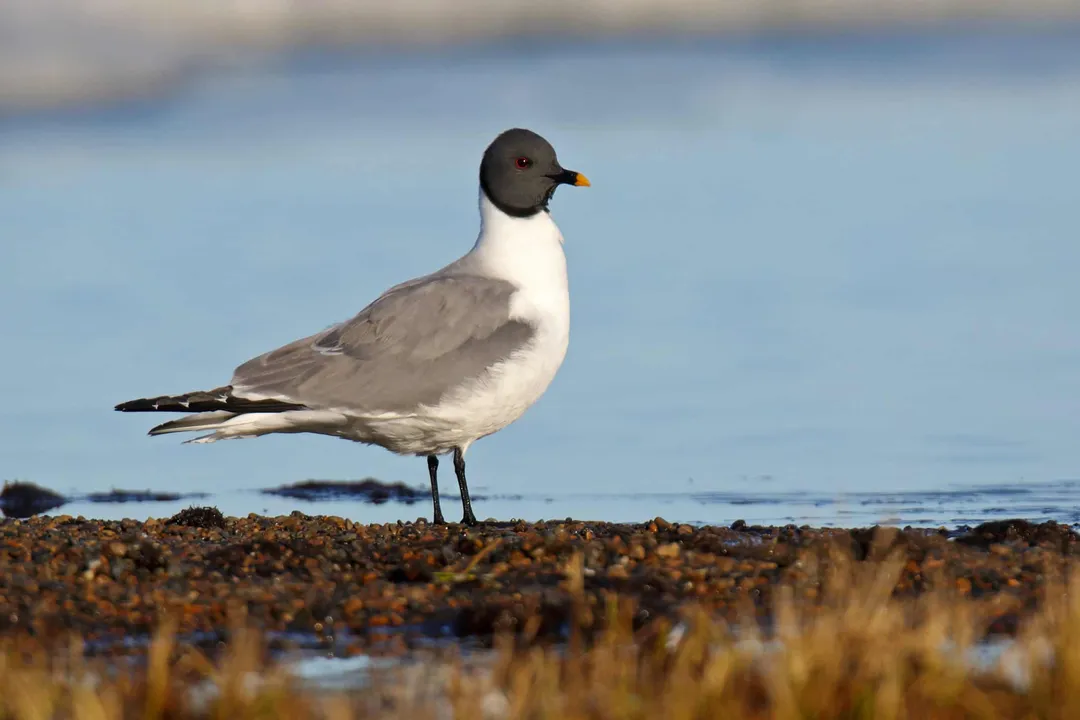
The dietary strategy of Sabine's Gull is intrinsically linked to its geography throughout the year. When established on its breeding grounds across the circumpolar Arctic tundra, the bird's foraging shifts to freshwater and terrestrial environments. [3][6] Conversely, once the breeding season concludes, the species becomes intensely pelagic, spending up to 45 days staging offshore in areas like the Bay of Biscay during Atlantic migrations, before settling into cold-water upwelling zones off South America or Africa. [3] This profound geographical separation necessitates an equally profound shift in prey acquisition. [5] A key survival strategy for this species involves an almost complete pivot in food source exploitation depending on whether they are nesting on the mossy tundra or floating above the continental slope. [6]
# Arctic Feast
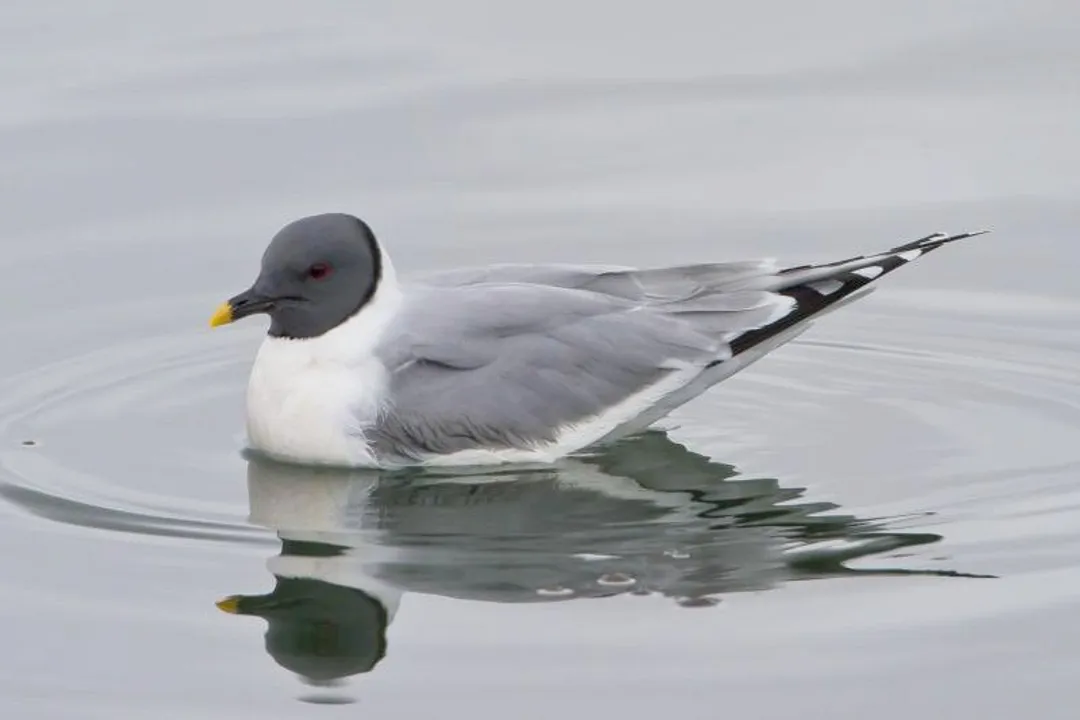
During the high Arctic summer, the Sabine’s Gull focuses on readily available, often small, invertebrate life found near its ground nest sites, which are typically situated near low marshy tundra, freshwater pools, or brackish sloughs. [1][6] The primary component of this summer diet centers on insects and their larvae. [1][6] Specific prey items cataloged from these areas include terrestrial and aquatic beetles, springtails (collembola), craneflies, mosquitoes, and midges. [3] Flower flies, identified as Syrphidae, are also part of this insect intake. [3][5] Beyond insects, they consume mollusks, various invertebrate larvae, arachnids, and water bugs. [3][5] While fish are available, they are often supplemented by crustaceans found in the tundra wetlands. [1]
Nesting adults will also target animal protein sources that are easier to secure locally. This includes earthworms. In a more aggressive, though apparently opportunistic, approach, they have been known to take eggs and nestlings from other bird species, such as waterfowl, Lapland Longspurs, and Black Turnstones. [3][5] It is also noted that they may even consume the eggs or young of other Sabine’s Gulls. [5] For the precocial young, parents often lead them to nearby freshwater or brackish ponds where larvae of flies and midges are plentiful.
It is interesting to observe the ecological niche the Xeme occupies here; while many gull species are bulk feeders, the Sabine’s Gull in the Arctic seems to specialize in gleaning tiny, surface-level prey, similar to the feeding style of a small shorebird. The transition away from these small, surface-level food items is what dictates their migration timing; for instance, in areas where the ice has not fully melted upon their arrival, they will forage along coastlines and ice edges until the tundra thaws, exploiting small fish and crustaceans from tidal rips or leads in the ice.
# Pelagic Prey
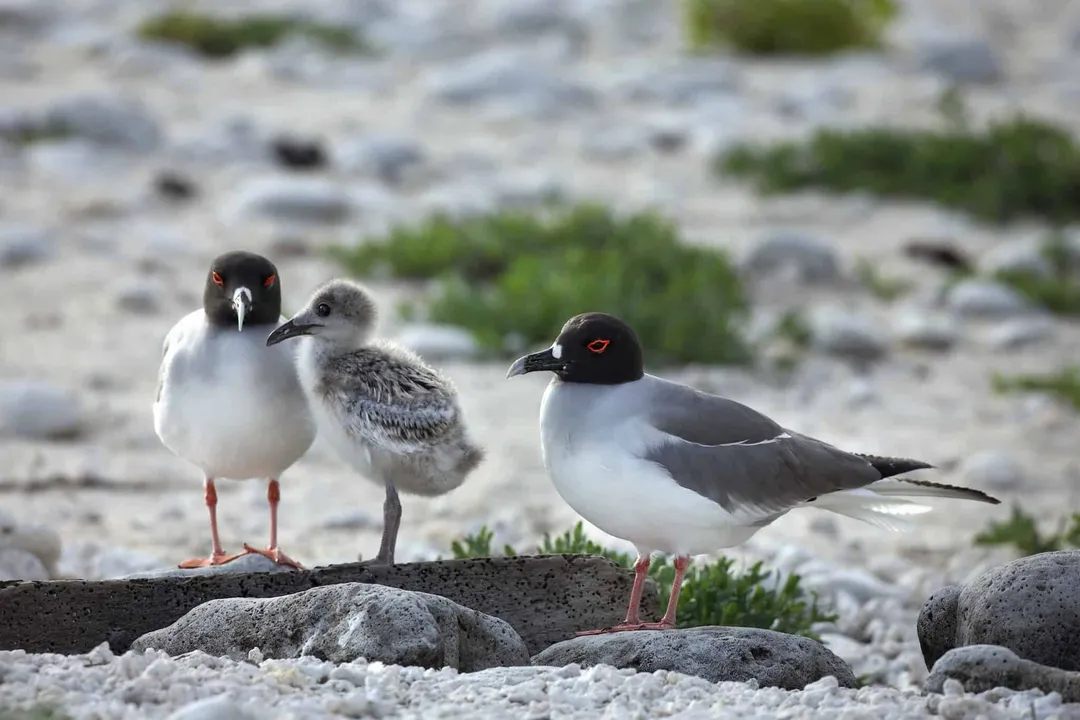
When the Xeme moves away from the landmasses to the open ocean, its diet shifts to marine resources, often capitalizing on the nutrient-rich waters created by cold-water currents like the Humboldt and Benguela systems. [3][4] The pelagic diet emphasizes small marine animals.
The staple items in their oceanic diet include:
- Small Fish: Such as Arctic cod, threespine stickleback, ninespine stickleback, rainbow smelt, and chum salmon.
- Crustaceans: Including shrimp and various zooplankton components like amphipods, mysids, and euphausiids. [6]
- Marine Worms: Such as bristleworms (polychaetes). [6]
They are known to seize prey right near the sea surface, either while swimming along or executing a quick dip or plunge from the air. This behavior often happens in large flocks, where the availability of food dictates density, leading to mixed-species foraging groups along the continental slope or shelf. [6]
# Foraging Techniques
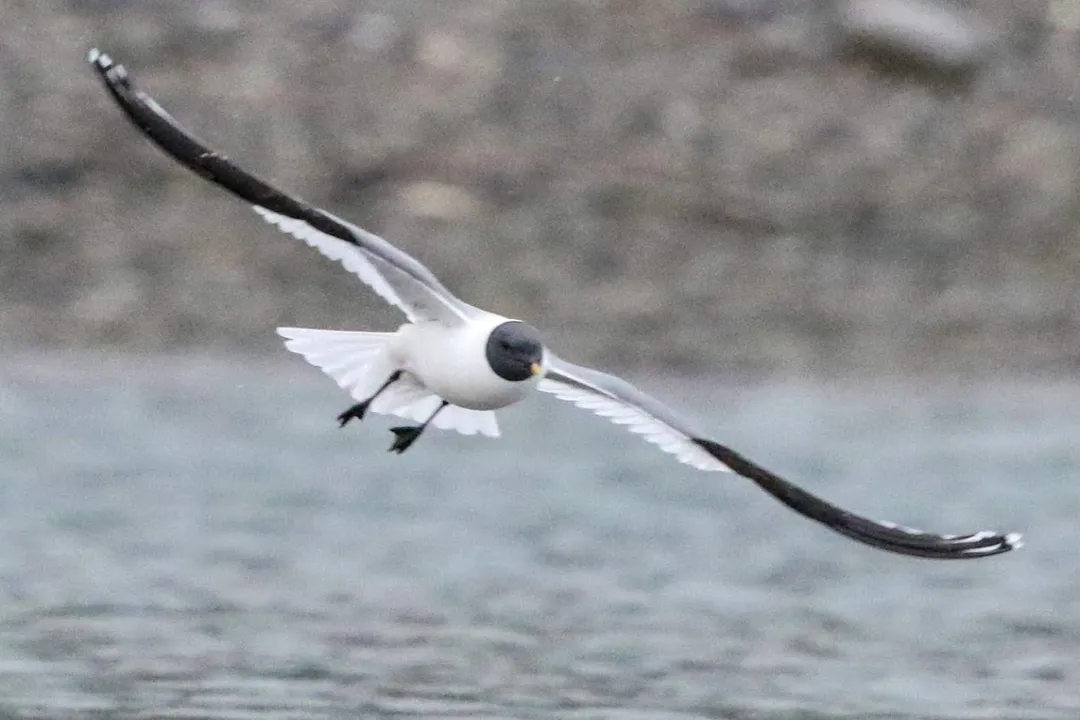
The Xema sabini employs a variety of specialized techniques to acquire its food, techniques that vary significantly between their terrestrial and marine feeding environments. [5]
On the tundra and in shallow waters, their methods include:
- Surface Plucking: Swimming or walking along the edges of pools, picking insects directly off the water or adjacent vegetation, much like a plover. [1][6]
- Flushing by Footwork: Wading into shallow water and shuffling or stamping their feet on the muddy bottom to disturb and flush out prey. [6]
- Phalarope Spin: A distinct behavior where they spin in circles on the water surface to create a vortex that draws small prey closer to the surface for easy capture. [4][6]
In the air, they are adept insectivores, hawking flying insects on the wing. [6] At sea, they may hover delicately, pattering their feet on the water in a manner reminiscent of a storm-petrel.
# Scavenging and Theft
Sabine's Gulls are opportunistic feeders, a trait that becomes particularly evident when they are scavenging or engaging in kleptoparasitism (stealing food from others). [4][6]
When they congregate near human activity, they are known to follow fishing vessels to consume discards or offal—the waste products from cleaning fish. [2][4] This scavenging behavior is also observed when they gather around feeding marine mammals, specifically seals and whales, to consume scraps generated by their feeding or the associated zooplankton. [2][6]
The most overt form of aggressive feeding involves kleptoparasitism, particularly targeting the Arctic Tern. They will steal fish right out from nesting terns. [4][6] This scavenging and opportunistic nature ensures they extract maximum caloric value from whatever ecosystem they occupy, bridging the gap between the insect-rich inland and the fish-rich ocean. [2] For instance, finding washed-up marine organisms along a beach during a stopover serves as a critical fuel stop between long ocean crossings. [4]
Considering the extraordinary migratory distance they cover—the longest of any gull species—this flexibility in diet is not just advantageous; it is an absolute necessity for survival. [3] The ability to switch from a diet heavy in slow-moving, soft-bodied larval insects on the tundra to high-energy fish and crustaceans in nutrient-rich ocean upwelling zones demonstrates an incredible physiological adaptability to variable food landscapes across hemispheres. [3][5] A birder observing this species during migration in the autumn might focus on coastal gull flocks feeding near active trawlers, knowing the bird is prioritizing readily available offal over the more difficult hunt for surface-dwelling marine life in deeper waters. This pattern contrasts sharply with the summer focus on the minute arthropods unique to the high Arctic ecosystem. [1]
# Classification Context
Although a member of the widespread Laridae family, the Xeme is unique enough to often be placed alone in its own genus, Xema, though some broader classifications include it within Larus. [3][4][5] Its specialized diet likely contributes to its somewhat isolated taxonomic position, distinct from many other large-bodied, generalized-feeding gull species. While its closest relative is now thought to be the Ivory Gull, the ecological niches—tundra breeding vs. pelagic wintering—mean their feeding roles rarely overlap, further highlighting the Xeme’s specialized dietary demands for its breeding season. [3] The fact that it is listed as "Least Concern" by the IUCN, despite these specialized feeding requirements, suggests the current population is successfully exploiting these varied resources across its massive range. [1][2][4]
Related Questions
#Citations
Xeme (Sabine's Gull) Bird Facts - Xema sabini - A-Z Animals
Sabine's gull - Wikipedia
Xeme - Facts, Diet, Habitat & Pictures on Animalia.bio
Sabine's gull (Xema sabini) - Thai National Parks
Sabine's Gull Life History, All About Birds, Cornell Lab of Ornithology
Sabine's Gull - Xema sabini