Xeme (Sabine’s Gull) Evolution
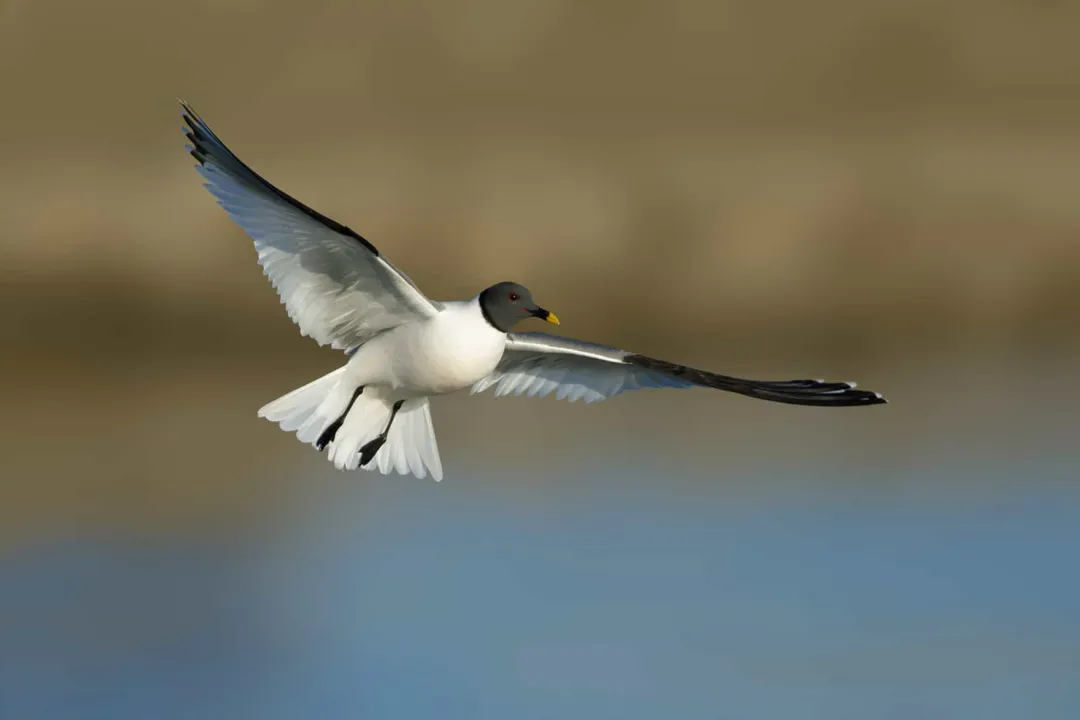
The Sabine’s Gull, scientifically known as Xema sabini, presents an intriguing case study in avian adaptation, standing somewhat apart from its more numerous gull relatives. While many gull species share broad distributions and generalist feeding habits, the Xeme has carved out an existence defined by extreme latitudes and highly specialized life stages. [1][3] Understanding its evolution means tracing how these dramatic environmental demands shaped its physical form and behavior over time.
# Distinct Genus
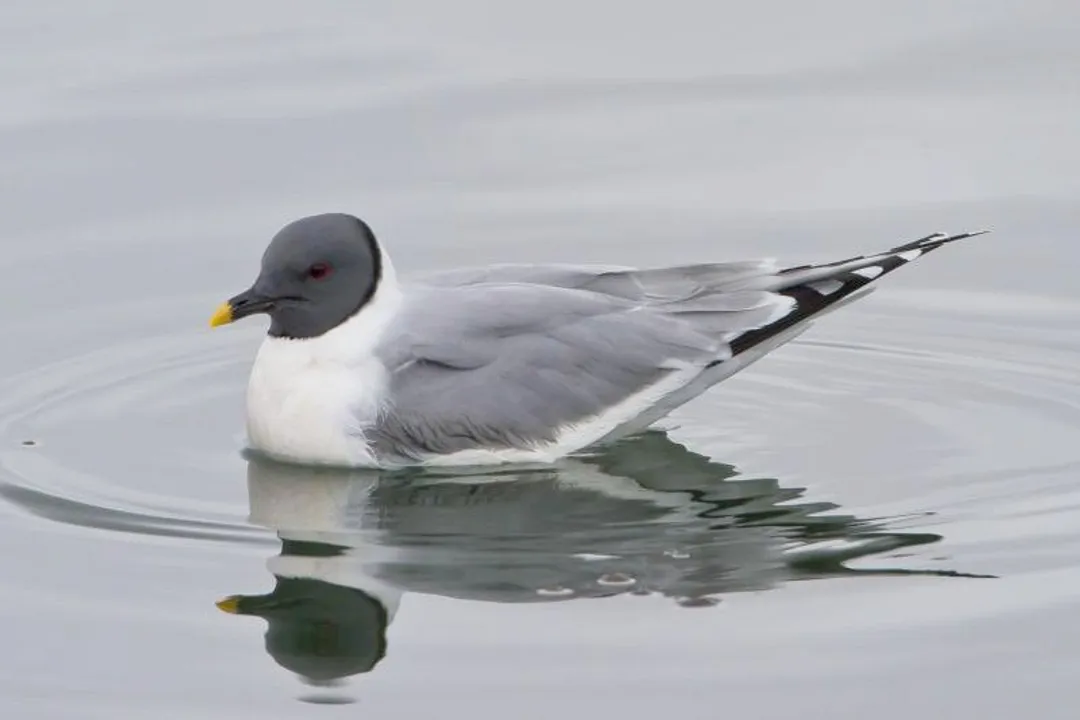
What immediately sets the Sabine’s Gull apart taxonomically is its placement as the sole member of the genus Xema. [1][2] This taxonomic isolation, placing it in the family Laridae, suggests a significant divergence from other gull lineages, perhaps indicating an ancient separation or a unique evolutionary trajectory within the group. [1] While it shares general features with other gulls, such as its pale body and dark cap in breeding plumage, the specific proportions and adaptations point toward a distinct evolutionary path. [3] Its close relatives, if any, are often placed within the "small gull" grouping, but the Xema designation underscores its singular status. [1]
# Breeding Specialization
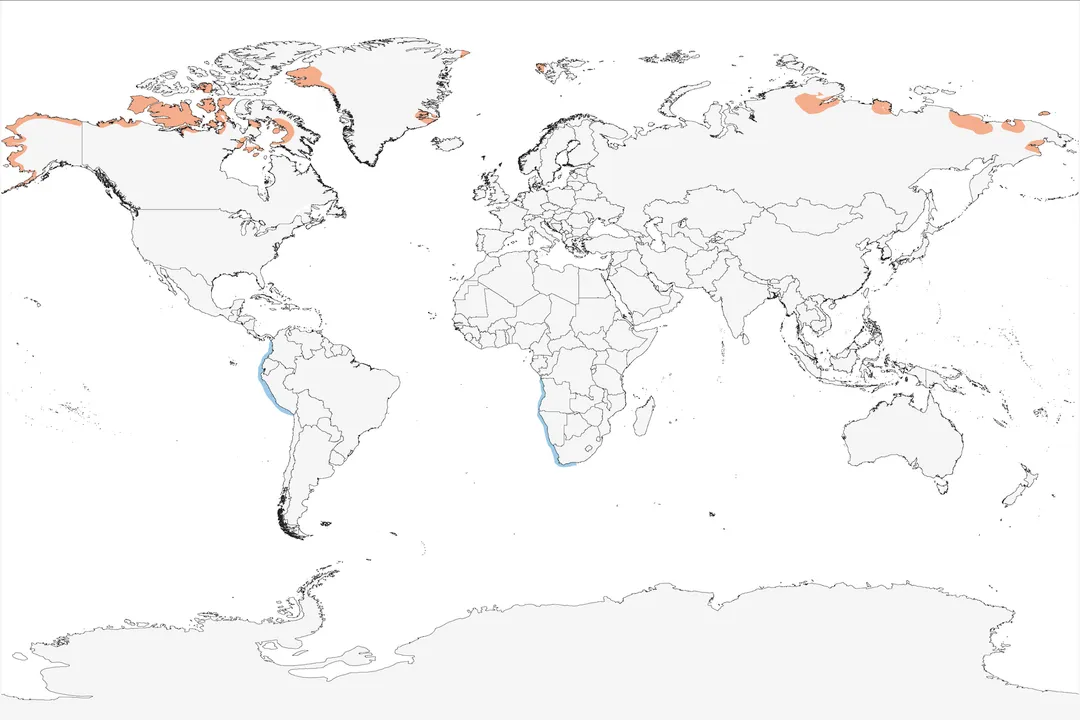
The evolutionary pressures acting on the Sabine’s Gull are perhaps most evident in its breeding adaptations. This species is an obligate breeder of the high Arctic tundra, favoring coastal areas, low islands, and wet areas near brackish or freshwater pools above the tree line. [1][6] The plumage of the adult breeding bird is instantly recognizable: a striking black head contrasted sharply against the pale gray and white body. [1][3] This distinct appearance likely plays a specific role in courtship or territorial displays within the brief Arctic summer. [1]
Morphologically, the Xeme shows traits adapted for its nesting habitat. It possesses relatively short legs for a gull, a characteristic often seen in species that spend less time wading on open beaches and more time maneuvering across tussocky tundra or taking off quickly from the ground. [1] Furthermore, field observations suggest that the species may favor smaller prey items or insects found near its inland or coastal breeding sites during the chick-rearing phase. [4][5] This dependence on concentrated, short-season resources drove the initial specialization of the species.
# Extreme Migrants
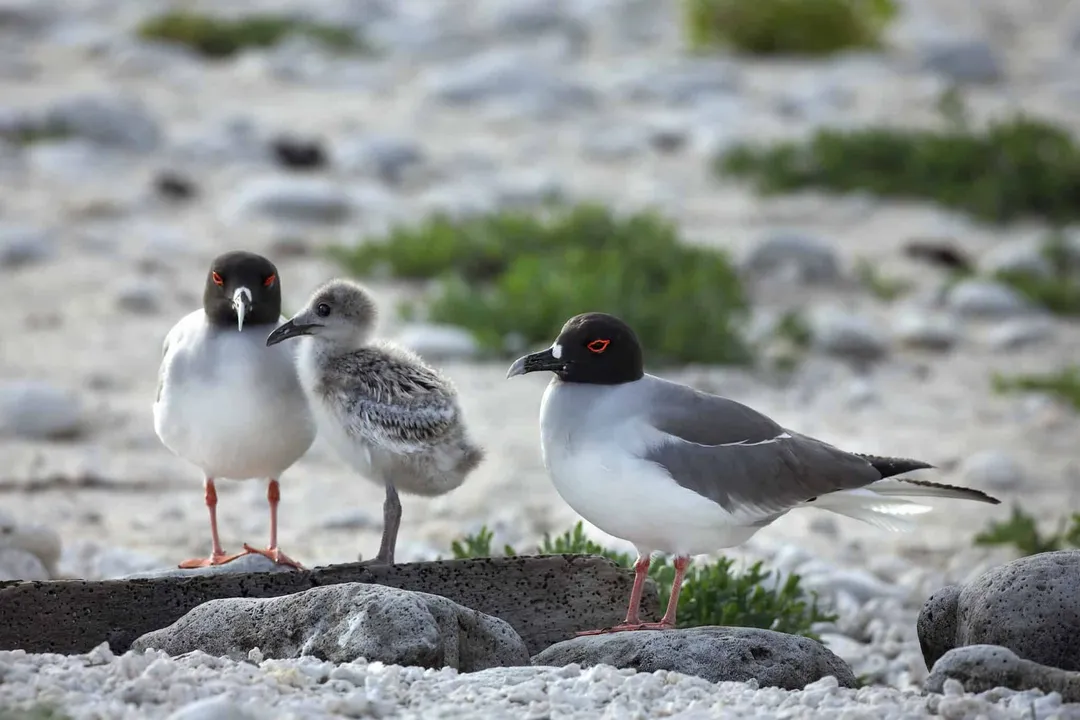
If its breeding grounds represent a highly specialized niche, its migratory behavior showcases an evolutionary mastery of global oceanic travel. Following the breeding season, the Sabine’s Gull undertakes one of the most remarkable migrations among seabirds. [1][7] Adults generally depart the Arctic basin heading southeast over the Atlantic Ocean, sometimes reaching the coasts of West Africa, or southwest toward the Pacific coast and the waters off South America. [7] This pelagic existence during winter means the bird spends most of the year far from land, utilizing the rich upwelling zones for feeding. [1][7]
This ability to sustain long-distance, open-ocean flight across entire hemispheres speaks volumes about the evolution of its physiology and flight mechanics. [7] The sheer scale of the journey—sometimes covering thousands of miles annually—requires exceptional energy efficiency. When comparing the short, intense feeding period on the tundra to the protracted, demanding oceanic transit, one sees a successful evolutionary strategy emerge. It is a pattern of feast and extreme endurance, maximizing reproductive success during the Arctic summer while maintaining the flexibility to exploit predictable marine food supplies globally during the non-breeding season. [1][7]
# Insights into Evolutionary Success
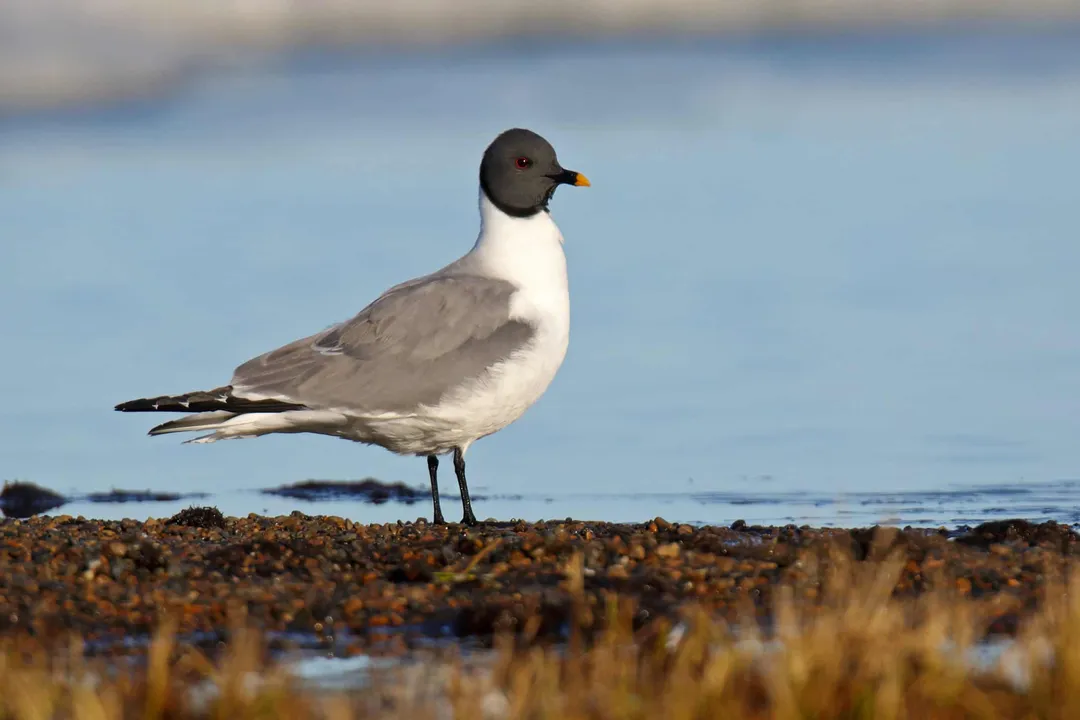
The success of the Sabine’s Gull in maintaining its unique generic classification, despite the broad evolutionary pressures of the gull family, suggests that the adaptations for its specific ecological roles are deeply ingrained. One aspect worth noting is the clear developmental trajectory reflected in its non-adult phases. Juvenile birds display plumage characteristics that are less stark than the adults, often showing mottled patterns. [1][3] This suggests that the high-contrast breeding colors are a sexually selected, late-stage evolutionary feature, only fully expressed once the bird has achieved the necessary physiological maturity and migratory experience to survive the first few arduous migrations. [6]
Another way to view its evolutionary success is through its habitat partitioning. While many gulls thrive near human activity or in temperate zones, the Xeme remains firmly anchored to the planet's most remote, high-latitude breeding grounds. [2][6] This avoidance of competition in more crowded, warmer zones, facilitated by its specialized migration patterns, allowed it to maintain a distinct evolutionary pathway, free from the direct competitive pressures that might have homogenized it with larger, more generalist gulls like the Herring Gull or Ring-billed Gull. Its ability to survive the long, dark winter months over the open ocean, far from the stability of coastal flocks, highlights a profound evolutionary acceptance of risk in exchange for exclusive access to the high-Arctic breeding grounds. [7]
# Plumage and Life Stages
The changes in appearance throughout the gull's life are a tangible record of its adaptation. Immature birds require several years to attain full adult breeding plumage. [1] A typical progression involves the dark hood gradually appearing, often starting with a broken band across the nape, and the tail changing from mottled to the clean, dark band characteristic of adults. [1][3] This delayed attainment of definitive plumage is common in long-lived, highly migratory species, allowing the bird to focus energy on growth and learning critical survival skills—like navigating the massive oceanic migrations—before committing to the demands of breeding display. [1] The tail pattern itself, noted for being dark with a white trailing edge, is a key diagnostic feature that must be perfected for species recognition during the brief, intense summer pairing season. [3]
# Global Distribution Summary
To appreciate the full scope of its evolutionary divergence, one must look at its complete annual range. Breeding occurs across the Arctic coasts of North America, Greenland, and Eurasia. [1][2] The species is considered common to fairly common within this breeding range. [1] However, outside of this window, it essentially vanishes from continental view, becoming a creature of the open sea. [7] Data indicates that birds from the Pacific side of the Arctic often migrate south along the Pacific coast, while Atlantic breeders follow eastern routes. [7] The wintering grounds often center around the productive waters of the North Atlantic, the Gulf of Alaska, and the waters off Peru and West Africa. [1][7] This global reach reinforces the idea that while the species evolved in the Arctic, its survival strategy depends on being of the ocean year-round. [7]
Related Questions
#Citations
Sabine's gull - Wikipedia
Sabine's gull (Xema sabini) - Thai National Parks
Xeme (Sabine's Gull) Bird Facts - Xema sabini - A-Z Animals
Sabine's Gull Xema Sabini Species Factsheet - DataZone | BirdLife
The Sabine's Gull | Critter Science
[PDF] Sabine's Gull - Xema sabini - Alaska Center for Conservation Science
Movements and Migration - Sabine's Gull - Birds of the World
Sabine's Gull - Montana Field Guide