Xeme (Sabine’s Gull) Locations
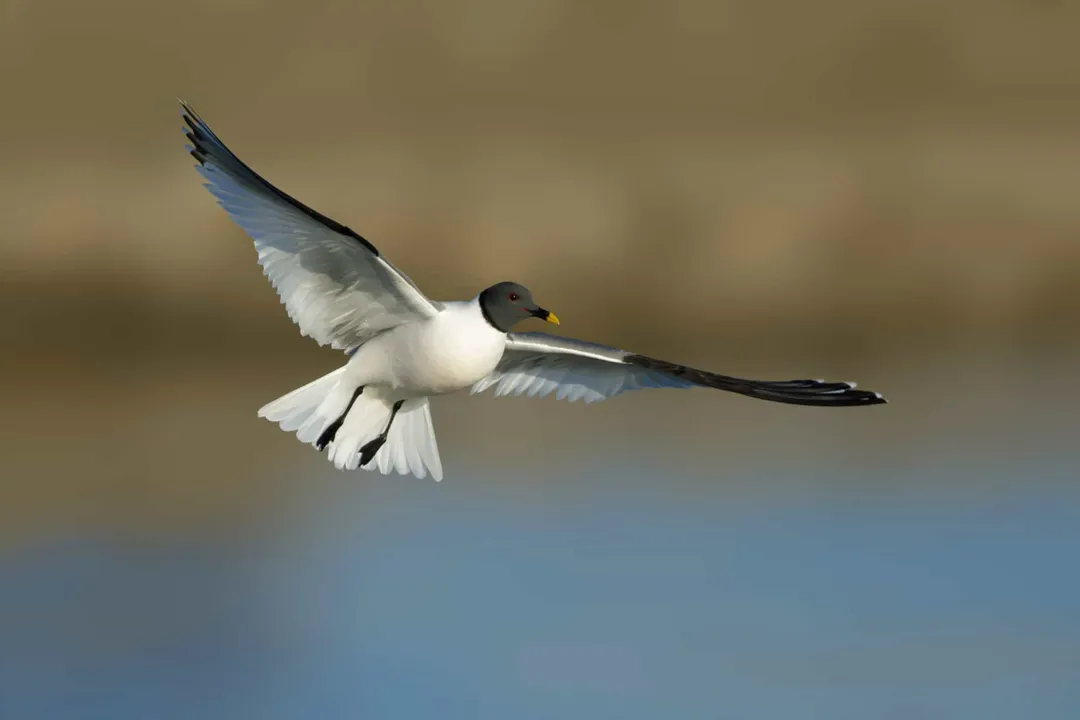
The Sabine’s Gull, known scientifically as Xema sabini, presents an enthralling subject for birders due to its delicate appearance and staggering migratory schedule. Often distinguished by its neat black cap, gray back, white underparts, and forked tail, this small gull undertakes one of the most remarkable, wide-ranging aerial commutes of any avian species. Pinpointing a location to find this bird requires understanding its annual rhythm, which swings dramatically between its high-latitude summer nursery and its equatorial winter retreat.
# Arctic Tundra
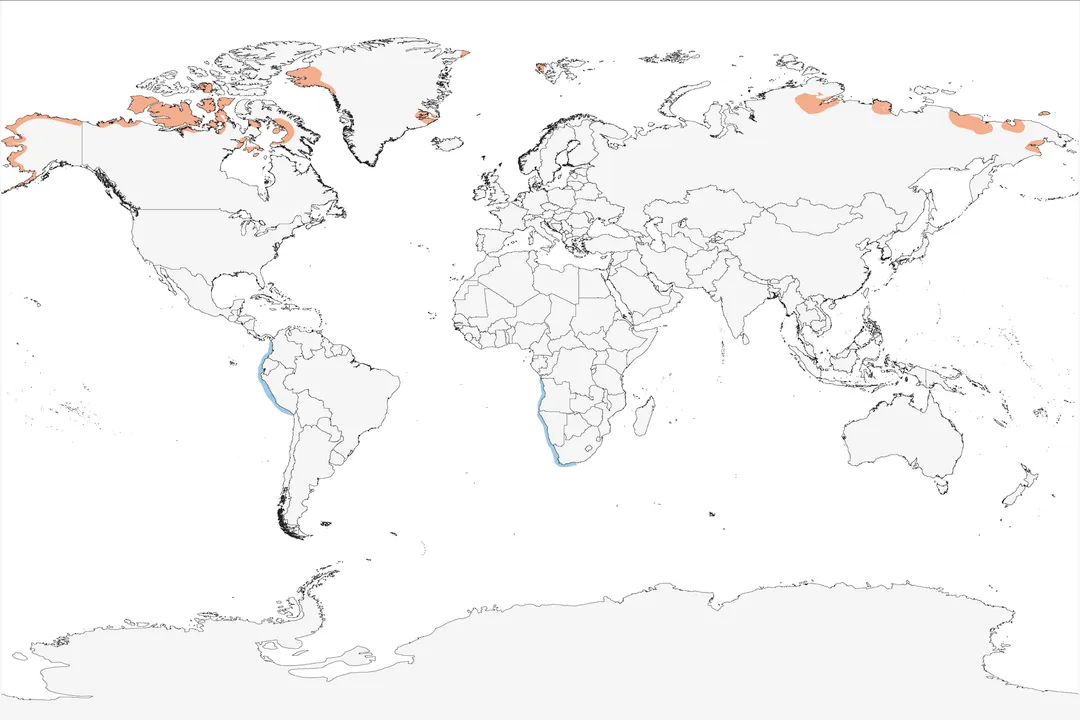
The primary geographic focus for the Sabine’s Gull during the nesting season is the remote Arctic tundra. These birds are specifically tied to high-latitude environments for reproduction. Their breeding grounds are generally located in the high Arctic regions of North America, Greenland, and Siberia.
Within the tundra, nesting requirements dictate specific micro-habitats. The gulls construct their nests directly on the ground, favoring locations near standing water such as small ponds, lakes, or the edges of larger bodies of water. This proximity to water is vital for feeding chicks and for the adults themselves during this demanding period. While precise colony locations can shift slightly year to year based on local conditions, the overarching requirement remains the same: an accessible patch of Arctic tundra with sufficient nearby aquatic features. For anyone hoping to observe them breeding, access is inherently difficult, requiring significant travel to these sparsely populated, harsh northern latitudes during the short summer months.
# Oceanic Transit
Once the young are fledged and the brief Arctic summer wanes, the Sabine’s Gull population begins a swift and vast exodus. This transition phase, the migration, is a critical time for coastal birdwatchers, particularly those situated along the major flyways of North America.
The journey south is impressive, often following predictable coastal paths rather than crossing vast landmasses or open oceans indiscriminately. In the eastern Pacific, for instance, birds breeding in North America will move south along the coastlines, often passing major headlands or pelagic areas accessible from shore. Similarly, Atlantic breeders navigate southward along eastern seaboards. Knowing when these groups pass is as important as knowing where they pass. The main wave of southward migration typically begins in late July and extends through August or early September. A key observation for those seeking them during transit is that timing must be precise; waiting until mid-to-late September often means the bulk of the population has already moved on to their distant wintering grounds, making the early to mid-August window often the best opportunity to see large numbers moving past coastal viewing points.
It is interesting to note the stark contrast in habitat preference between migration and breeding. During breeding, they are terrestrial birds tied to freshwater edges; during transit, they become almost exclusively marine, rarely seen far from the immediate coast or offshore waters. This reliance on coastal features during transit provides an opportunity for observers to scan from relatively accessible viewpoints, such as jetties or cliff edges overlooking known migration corridors, a stark difference from the remote Arctic locations required for nesting.
# Tropical Seas
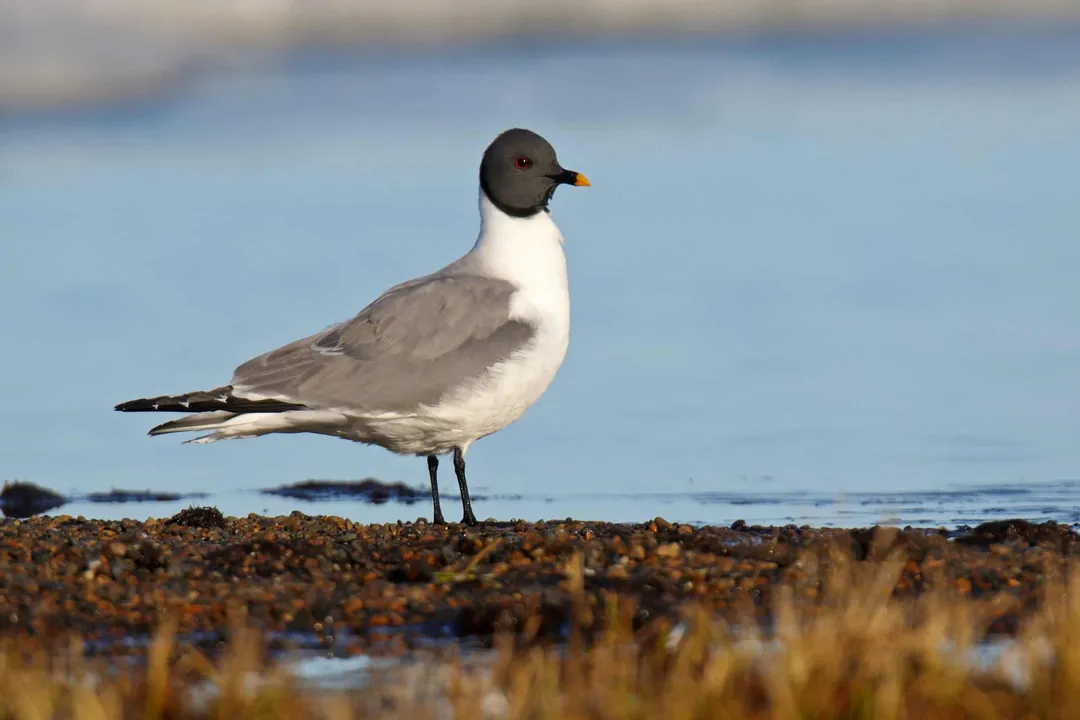
The destination for the majority of the Sabine’s Gull population after the northern migration is the open ocean near the equator. They are true pelagic wanderers for a large portion of the year, inhabiting tropical and subtropical seas.
The wintering range is quite extensive, generally lying within the equatorial belt of the world’s oceans. This means that observers looking for them during the non-breeding season must travel to tropical latitudes in the Pacific, Atlantic, and Indian Oceans. Unlike the focused coastal movement during migration, wintering birds are dispersed across vast expanses of open water, often associating with oceanographic features like upwellings or areas of high invertebrate life. Seeing a Sabine’s Gull in its winter plumage, lacking the distinct dark hood of the breeding bird, requires heading out on pelagic boat trips far from land in these warmer waters. One must recognize that the wintering location is fundamentally offshore, making observation logs from citizen scientists like those on iNaturalist often dominated by sightings during the shorter, coastal migration periods rather than confirmed wintering locations far out at sea. This separation between the coastal migration route and the pelagic wintering ground means the optimal viewing location is highly dependent on the time of year.
# Inland Strays
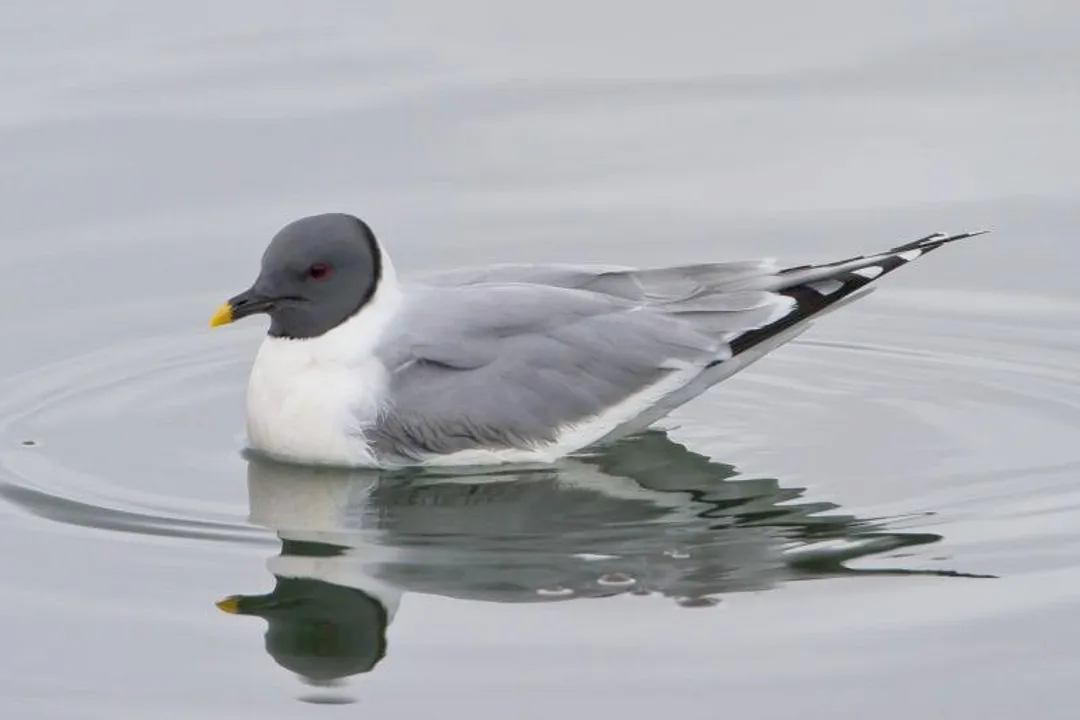
While the species is defined by its massive oceanic movements, the occasional bird strays significantly off the expected route, providing rare and exciting sightings for landlocked birders. These occurrences are usually attributed to disorientation, severe weather systems, or inexperienced juveniles.
Locations far removed from the Pacific or Atlantic coasts can sometimes report a Sabine’s Gull, particularly during peak migration periods when the main body of birds is moving through. For example, a sighting in a relatively inland state like Montana, far from either ocean, is an event considered noteworthy enough to be documented in regional field guides, suggesting that vigilance during migratory fronts can occasionally pay off even hundreds of miles from the coast. Such inland sightings are almost always transient, meaning the bird is likely resting or passing through quickly, often found near large reservoirs or rivers that might briefly offer familiar open water habitat. Recording these outlying locations helps scientists map the absolute outer limits of the species’ dispersal capability during non-breeding transit.
# Timing Viewing
For the dedicated birder aiming to maximize their success in locating this species, a structured approach based on geography and chronology is essential. Since the bird spends a relatively short time in the Arctic, the best chances for observing significant numbers occur during the southbound migration along the coasts.
A useful method for determining the best time for a coastal viewing trip involves triangulating known breeding departure times with typical migration speeds. If Arctic breeding ceases around mid-August, a birder on the West Coast of North America might calculate that peak passage occurs approximately two to three weeks later, pushing the prime viewing window into the last two weeks of August and the very beginning of September. Conversely, if one misses this narrow coastal window, the next opportunity involves undertaking dedicated pelagic trips into the tropics, which is a far greater logistical commitment. Therefore, focusing effort on the late summer coastal migration yields a much higher probability of success than trying to locate the dispersed individuals over the vast equatorial oceans during the winter months. The experience gained by observing these birds is deeply tied to understanding this sharp contrast between their densely packed summer colonies and their widely scattered marine life.
#Videos
Xeme Facts: Sabine's Gull (Xema) 𓅰 Animal Fact Files - YouTube
Related Questions
#Citations
Sabine's gull - Wikipedia
Xeme (Sabine's Gull) Bird Facts - Xema sabini - A-Z Animals
Sabine's Gull Range Map (Xema sabini) - Birds of North America
Sabine's Gull - Xema sabini - Birds of the World
Sabine's Gull - iNaturalist
[PDF] Sabine's Gull Xema sabini - The Carolina Bird Club
Sabine's Gull - Montana Field Guide
The Sabine's Gull | Critter Science
Xeme Facts: Sabine's Gull (Xema) 𓅰 Animal Fact Files - YouTube