Xeme (Sabine’s Gull) Scientific Classification
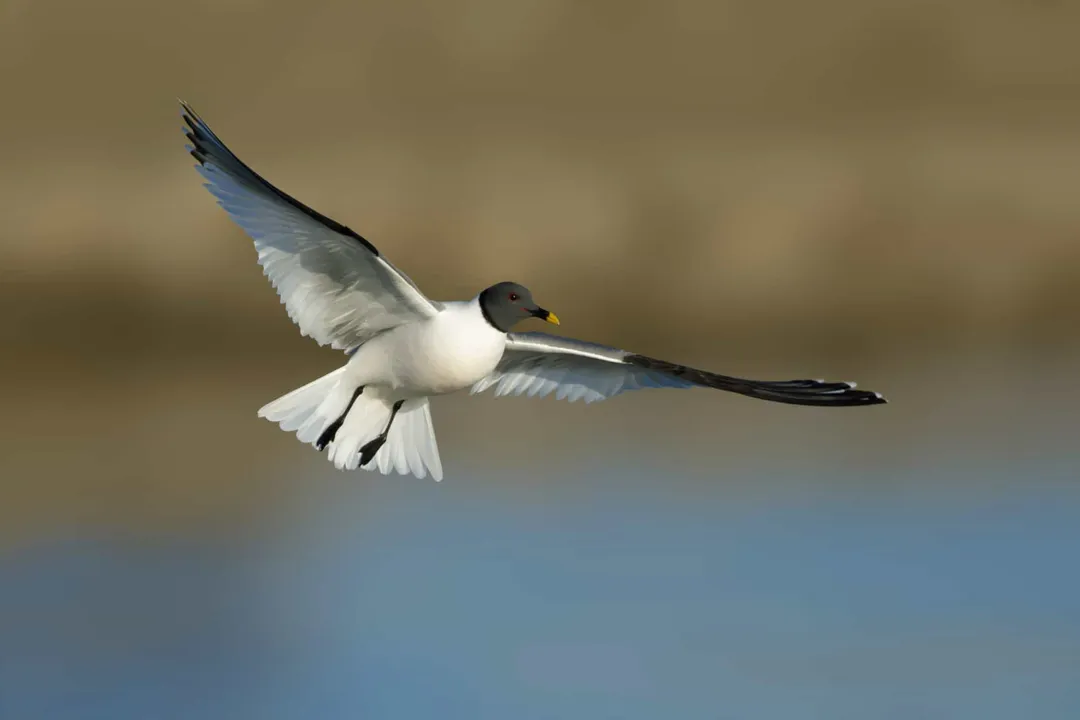
The common name, Sabine's Gull, sometimes shortened to Xeme, offers little immediate clue to its evolutionary history, yet its scientific classification lays out a precise map of its relationship to every other living thing. [1][2] Delving into the taxonomy of Xema sabini reveals how ornithologists and systematists have placed this small, high-Arctic gull within the broader structure of life on Earth. [5] The data derived from major biological indexing systems shows remarkable agreement across various authorities regarding the placement of this unique bird. [1][3][4][9]
# Binomial Name
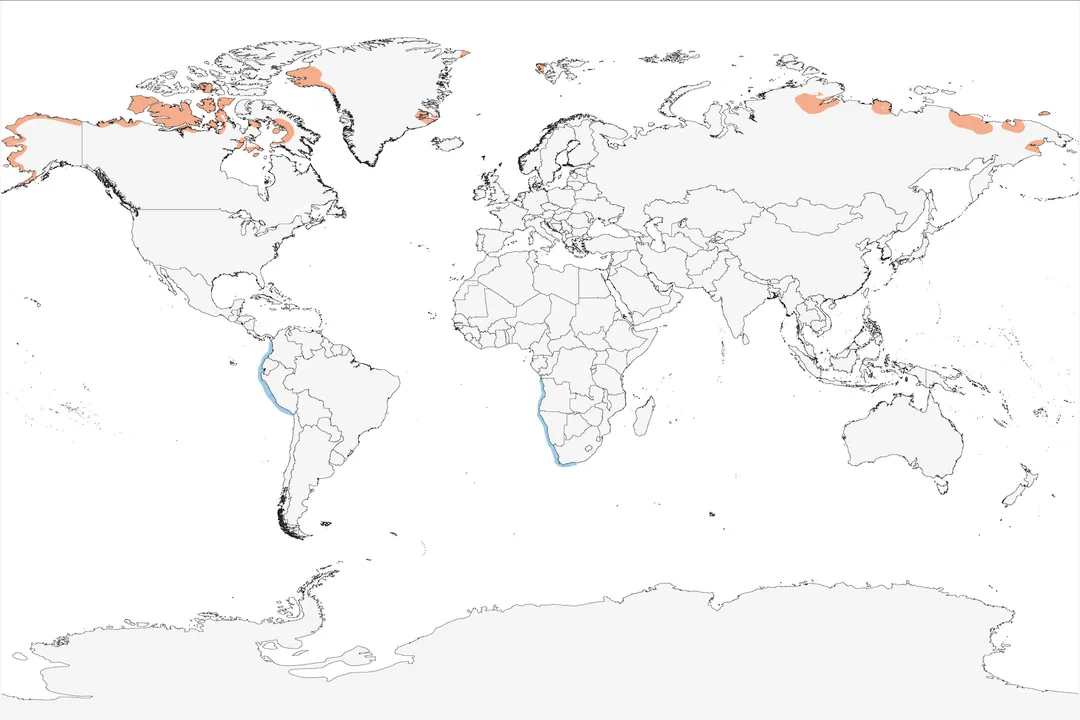
The accepted scientific name for this species is Xema sabini. This binomial nomenclature, following the Linnaean system, is the bedrock of its identity. [5] The first part, Xema, designates the genus, while sabini is the specific epithet, referring to the species itself. [1] In English-speaking regions, it is widely known as Sabine’s Gull, [2][5] a name honoring Edward Sabine, the naturalist who described the species. [5] While the name Xeme is sometimes used generally, Xema sabini remains the single, universally recognized scientific identifier. [1]
# Taxonomic Structure
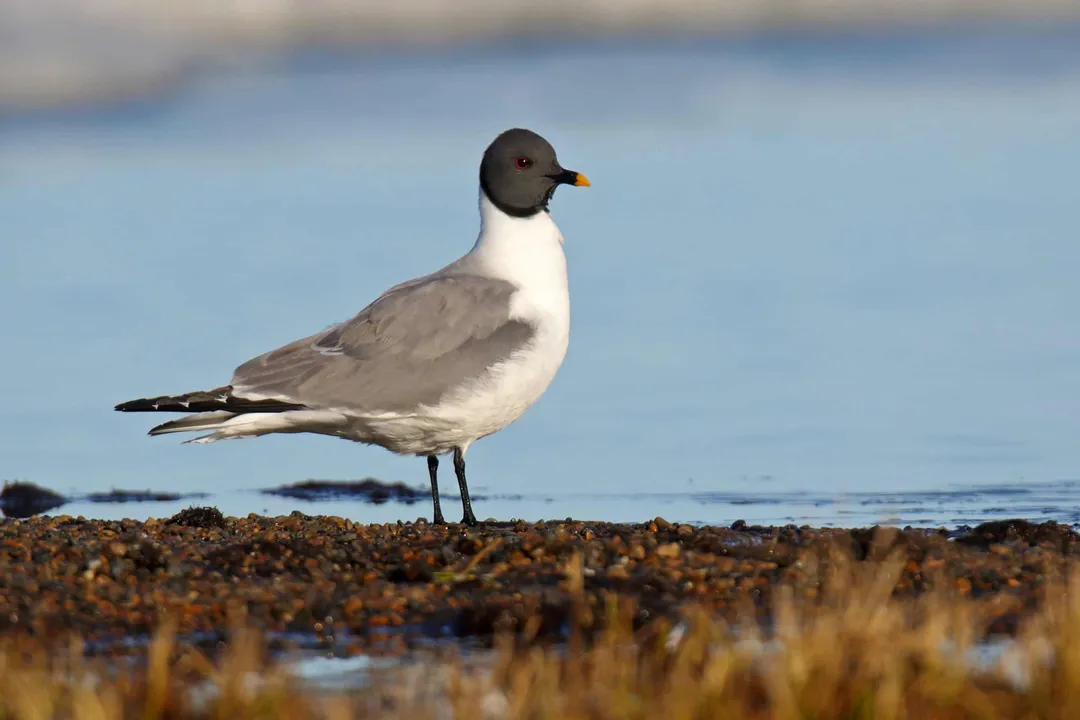
The scientific classification system arranges life in a nested hierarchy, moving from the broadest categories down to the most specific. For the Sabine's Gull, this sequence consistently places it deep within the Animal Kingdom. [1][9]
The specific taxonomic ranks attributed to Xema sabini are laid out below, detailing its position from the highest level down to the species:
| Rank | Classification | Basis in Sources |
|---|---|---|
| Kingdom | Animalia | All comprehensive sources [1][3][9] |
| Phylum | Chordata | All comprehensive sources [1][3][9] |
| Class | Aves | All comprehensive sources [1][3][4][9] |
| Order | Charadriiformes | Consistent across all sources [1][3][4][5][9] |
| Family | Laridae | Consistent across all sources [1][3][4][5][9] |
| Genus | Xema | Consistent across all sources [1][3][4][5][9] |
| Species | X. sabini | Consistent across all sources [1][3][4][5][9] |
The stability of this classification is evident, as multiple independent databases and surveys confirm the same path to the species level. [1][3][4][9]

# Kingdom Class
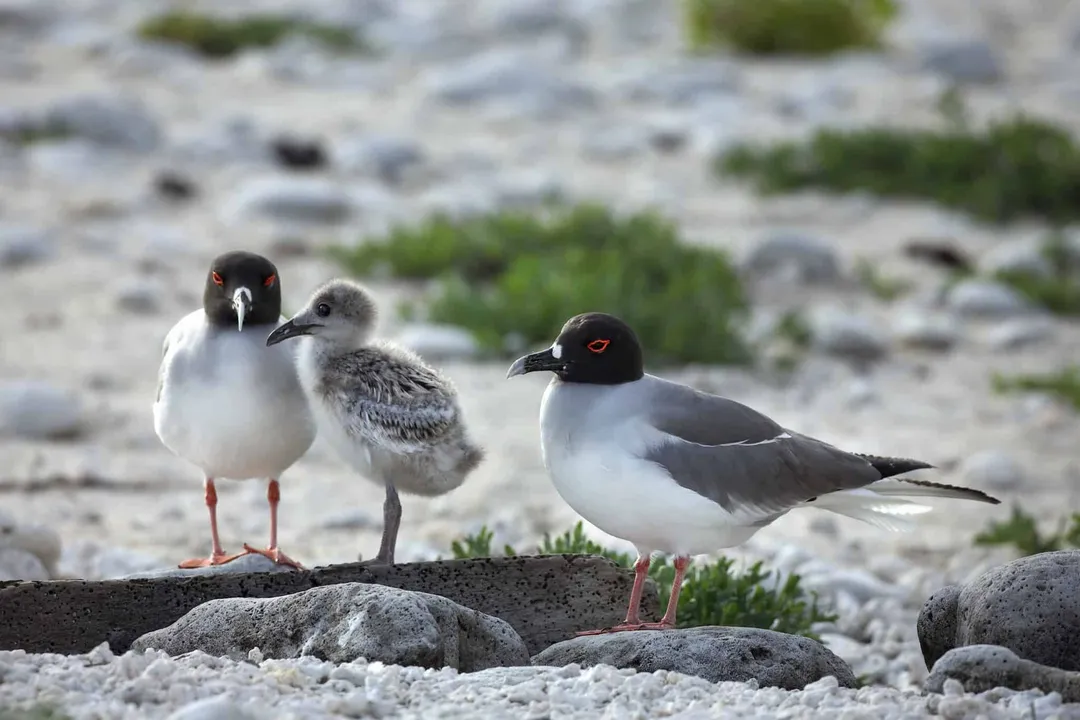
Beginning at the broadest level, Xema sabini belongs to the Kingdom Animalia. [1] This placement means it is a multicellular, eukaryotic organism that is heterotrophic—it must consume other organisms for energy. Moving down the tree, the Phylum is Chordata, [1] signifying that the gull possesses a notochord or vertebral column at some stage of its development, placing it with fish, amphibians, reptiles, and mammals. [3]
Within Chordata, the Class is Aves, the birds. [1] This classification groups Xema sabini with all feathered, warm-blooded vertebrates, characterized by beaks, the laying of hard-shelled eggs, and a lightweight but strong skeletal structure. [5]
# Order Placement
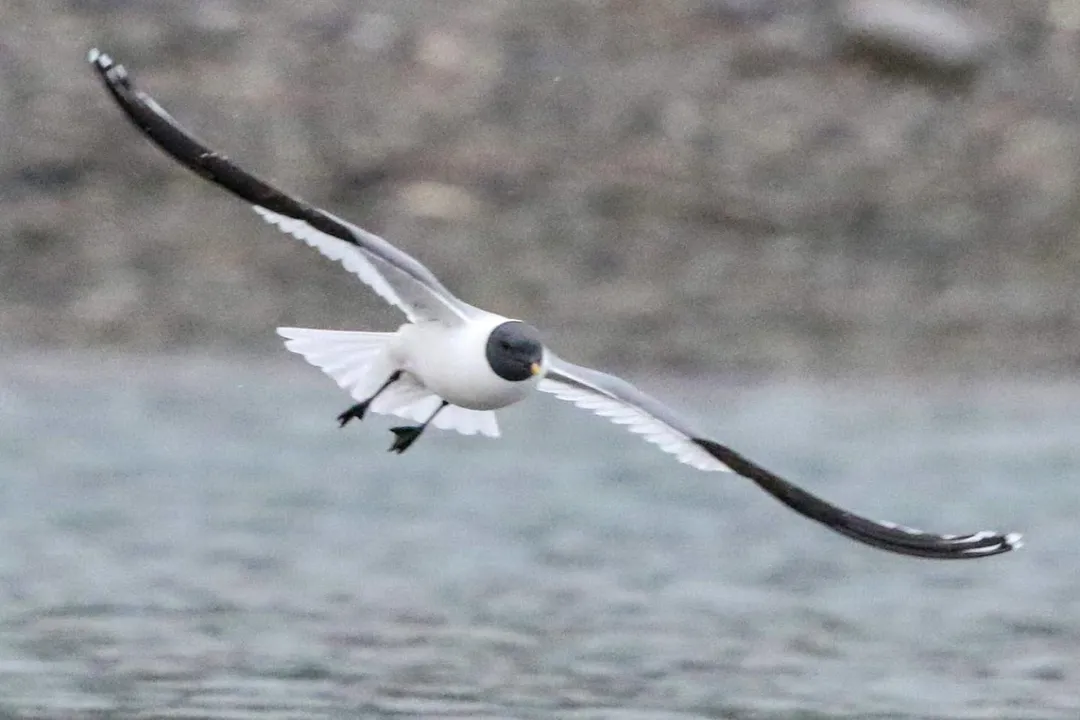
The next critical grouping is the Order, Charadriiformes. [4][5] This is where the Xeme is grouped with its closest evolutionary relatives, which include shorebirds, auks, and, most significantly, other gulls and terns. [3][9] The Charadriiformes are an exceptionally diverse group, spanning nearly every aquatic environment globally.
It is fascinating to consider the inclusion of the Xeme here. The Order Charadriiformes is classically associated with wading birds found along coastlines and inland waters, like plovers and sandpipers. [3] However, the Sabine’s Gull spends the non-breeding season far out in the open ocean, making it highly pelagic outside of its Arctic breeding grounds. [5] Its placement in this order, rather than with some other seabirds, reflects deep morphological and genetic ties to the ancestral shorebird line, even if its adult ecology has shifted dramatically toward a fully oceanic existence. [4] This highlights a key principle of taxonomy: classification is based on evolutionary lineage, not just current habitat preference.

# Family Structure
The Family level refines this relationship further, placing the Sabine's Gull in Laridae. [9] This is the true gull and tern family. [4] While terns are generally more slender with more pointed wings and tern-like flight patterns, gulls within Laridae often exhibit stockier builds and broader wings. [5]
Within Laridae, the Xeme is grouped alongside genera like Larus (the common gulls) and Sterna (true terns). [5] The physical characteristics that define Laridae members—such as webbed feet, relatively stout bodies, and a generalized diet compared to more specialized seabirds—are all evident in the Xeme, reinforcing its family placement. [4]
# Genus Uniqueness
The placement within the Genus Xema is particularly telling about the Xeme's evolutionary status. [1] Unlike the widespread and numerous species within the Larus genus, the genus Xema is monotypic. This means Xema sabini is the only species currently recognized within its genus. [1]
This monotypic status is significant; it implies that the lineage leading to the Sabine’s Gull separated from the ancestors of other gulls quite early in the diversification of the family Laridae. [5] While it shares the general body plan and behaviors of a gull, its distinct skull morphology, plumage patterns (especially the dark hood in breeding adults), and different bill structure suggest a separate evolutionary track within the family. [2] If we were to compare Xema to the large Larus genus, one might argue that the Xeme represents a long-isolated branch of the gull family tree that has specialized intensely for high-latitude, pelagic life, retaining ancestral traits while adapting to its unique niche.

# Comparative Classification
When comparing the Xema classification to, for example, that of a Herring Gull (Larus argentatus), the divergence is clear at the genus level, though the higher levels remain identical. [1][5] Both are Chordates, Birds, Charadriiformes, and Larids. However, the distinction between Xema and Larus signifies that Xema is considered phylogenetically distinct enough to warrant its own genus designation, even if it is only one species. [4] This taxonomic decision underscores the belief that the genetic and morphological differences between Xema sabini and its nearest Larus relatives are greater than the differences between any two species within the Larus genus itself.
The consistency found across classification databases, from environmental agencies like the Idaho Department of Fish and Game [3] to global monitoring platforms like iNaturalist, [1] lends substantial authority to this classification scheme. It suggests that based on current morphological and genetic understanding, the scientific placement of the Xeme is settled and well-supported. [4][9] The simplicity of the classification—one species, one genus—makes tracking its evolutionary standing quite straightforward once the hierarchy is established.
#Videos
Xeme Facts: Sabine's Gull (Xema) 𓅰 Animal Fact Files - YouTube
Related Questions
#Citations
Genus Xema - iNaturalist
Xeme (Sabine's Gull) Bird Facts - Xema sabini - A-Z Animals
Xema sabini (Sabine's Gull) | Idaho Fish and Game Species Catalog
Xema sabini (Sabine's Gull) - Avibase
Sabine's Gull - Xema sabini - Birds of the World
Xeme Facts: Sabine's Gull (Xema) 𓅰 Animal Fact Files - YouTube
[PDF] Sabine's Gull - Xema sabini - Alaska Center for Conservation Science
Sabine's gull (Xema sabini) - Thai National Parks
Xeme - Facts, Diet, Habitat & Pictures on Animalia.bio