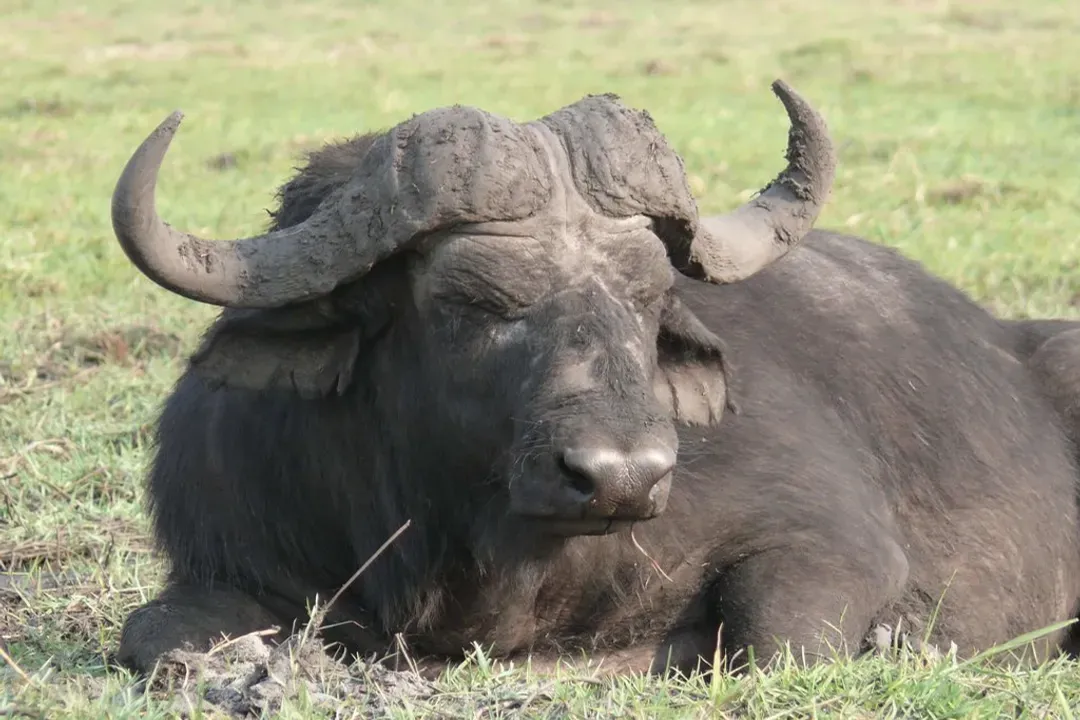
How did the underlying genetic variation selection pressures differ between the ancestral River and Swamp environments?
River ancestors selected for grazing riparian grasses and thermoregulation via water; Swamp ancestors selected for adaptations to heavy mud in floodplains.
The initial differentiation between the ancestors of the River and Swamp buffalo was driven by natural environmental pressure before human intervention. Populations near major river systems naturally favored traits allowing them to graze on riparian grasses and utilize water sources effectively for thermoregulation, setting the stage for the River type. Conversely, populations inhabiting low-lying, marshy delta areas or floodplains benefited from adaptations suited to heavy mud and slower-moving waters, paving the way for the Swamp buffalo morphology. This established the fundamental genetic variation upon which later domestication overlaid specific agricultural requirements.