What kind of food do water bugs eat?
The term "water bug" is tossed around casually, often leading to confusion about the creature being discussed. In many parts of the United States, the name is mistakenly applied to certain large, dark cockroaches, such as the Oriental Cockroach, simply because they seek out damp, moist environments like drains or basements. However, the true water bugs belong to the family Belostomatidae, commonly known as giant water bugs, electric-light bugs, or sometimes "toe-biters" because of their painful defensive snaps. These genuine aquatic insects live their lives submerged in freshwater habitats like ponds and slow-moving streams. What these true water bugs eat paints a picture of them as some of the most effective, if unlikely, aquatic apex predators around.
# Identity Confusion
Before diving into their diet, it is essential to separate the genuine article from the imposters. True water bugs, members of the order Hemiptera, are built for water life, possessing flattened bodies and legs fringed with hairs to help them swim rapidly. They breathe by periodically sticking a retracted breathing tube—a feature resembling a snorkel—to the surface. Cockroaches, on the other hand, are terrestrial pests that merely tolerate moist conditions and cannot survive underwater. This distinction is vital because the feeding habits differ drastically: while cockroaches are notorious scavengers that consume decay, garbage, and anything organic they find, the true aquatic species are primarily dedicated hunters.
# Predatory Nature
The primary focus when discussing what water bugs eat must center on the larger members of the Belostomatidae family. These insects are aggressive predators, often described as "lie-and-wait predators". They position themselves motionlessly, perhaps clinging to aquatic vegetation, waiting for an unsuspecting meal to pass close enough to strike. For the generalist species, their menu includes other aquatic insects, algae, small fish, tadpoles, and snails.
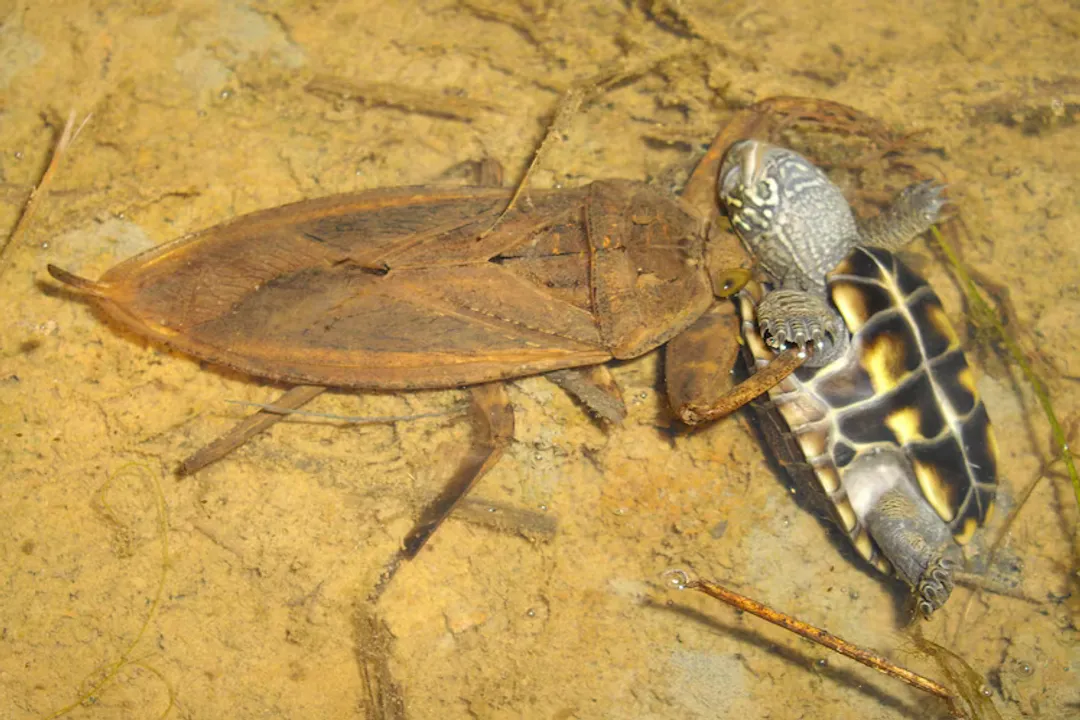
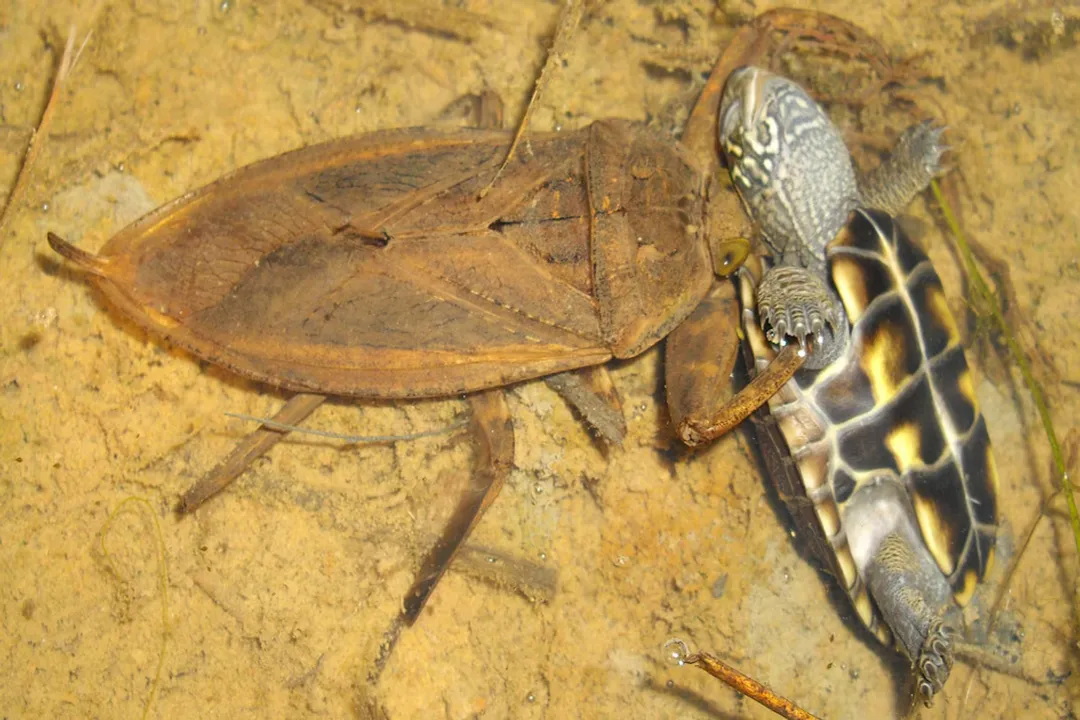
But the giants of this family are renowned for tackling prey that seems far too large for an insect. Species of the genus Lethocerus can grow quite large, sometimes exceeding 4.5 inches. With this size comes considerable confidence; these bugs have been documented capturing and feeding on vertebrates such as frogs, small fish, baby turtles, and even venomous snakes or ducklings.
A fascinating ecological point arises when we consider the specialization within this predatory group. While most giant water bugs are generalized carnivores, not every species follows this rule. For instance, the African species Limnogeton stands out because it lacks the modified, raptorial forelegs found in its relatives; instead, it possesses "normal" legs and is known specifically as a specialized snail-eater. This internal variation shows that even within a family defined by predation, evolutionary pressures lead to niche partitioning, where some members refine their hunting to a single, reliable food source like mollusks.
# The Killing Stroke
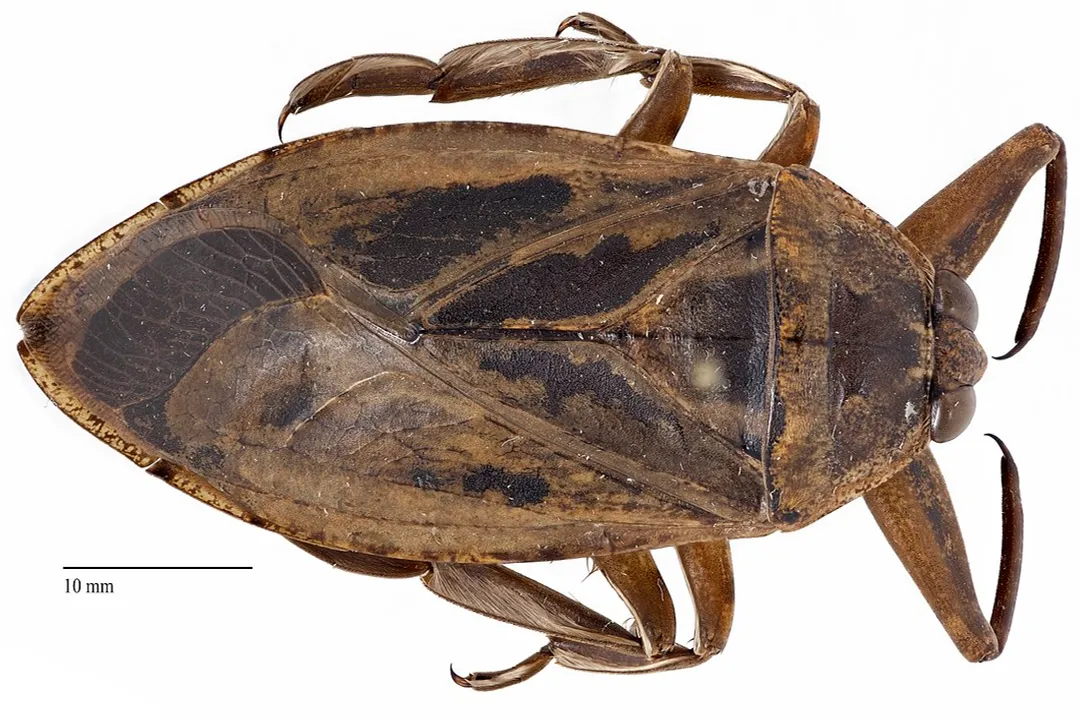
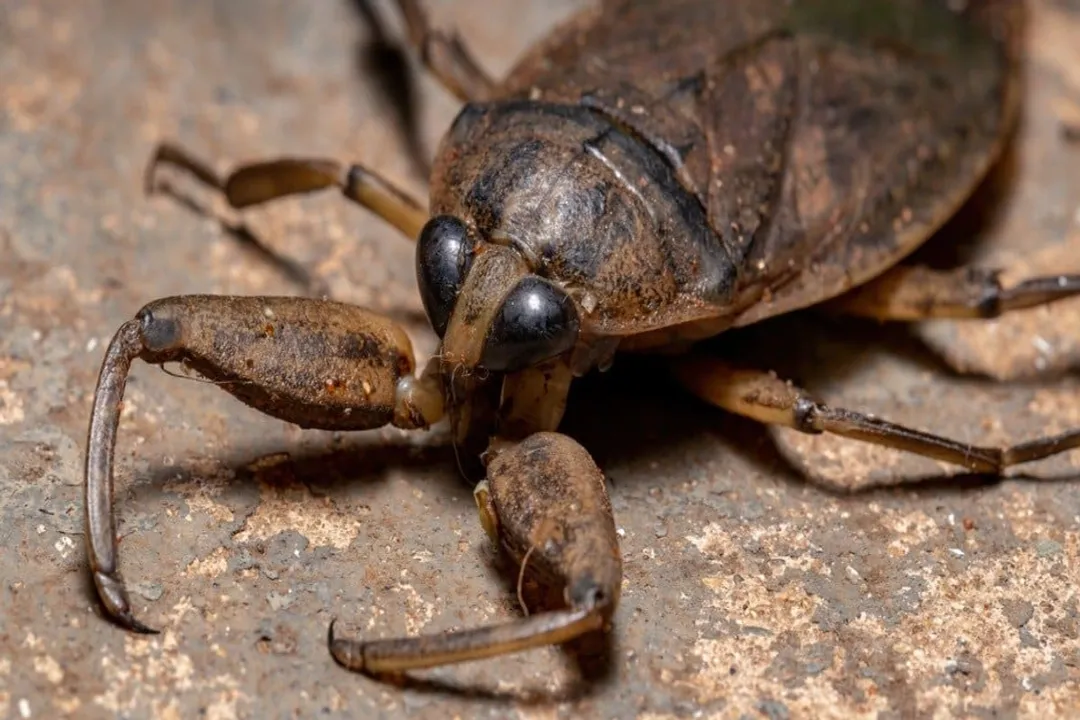
The sheer audacity of a tiny insect tackling a vertebrate is made possible by a highly specialized feeding apparatus and chemical arsenal. When prey is within range, the water bug uses its strong, modified front legs—which some liken to Popeye flexing his arms—to grasp and hold the victim securely. Once secured, the insect pierces the target using its dagger-like, pointed mouthpart, known as the rostrum or proboscis.
This is where the liquefaction occurs. The water bug injects a powerful, proteolytic saliva into the prey. This substance functions as a digestive enzyme, breaking down the internal tissues of the victim into a pre-digested slurry. For larger meals, like a small fish or turtle, this process of liquefaction and subsequent sucking of the insides can take several hours, during which the prey may still be partially alive. While the bite is described as excruciatingly painful for humans and can be used as a defense mechanism, it is not medically significant in terms of venom toxicity to people.
# Developmental Diets
Dietary needs shift throughout the water bug’s lifecycle. Both the nymphs (the immature stages) and the adults are hunters. When the young nymphs first hatch, they often find themselves in environments where the largest, easiest prey items—like adult fish—are less available or too dangerous to pursue.
The nymphs are nevertheless well-equipped for the struggle, possessing highly curved front legs that help them latch onto whatever they can manage. Consequently, they often have to be just as tough as the adults, frequently targeting smaller vertebrates like tadpoles or small fish to fuel their rapid development. The shift from nymph to adult involves muscle regression, adapting their musculature for a more energy-efficient predatory lifestyle as they mature. This suggests that while nymphs may take on riskier, larger meals out of necessity, the adults likely optimize their hunting for maximum caloric return once their full strength is achieved.
If a water bug finds itself in a less than ideal habitat—such as a drying pond—its scavenging tendencies may emerge. Some sources suggest that when hunting opportunities are scarce, they may consume available algae, or, in rare cases related to misidentification with other bugs, even scavenge human waste or skin flakes. However, for the true giant water bug, the foundational diet remains protein sourced directly from active predation.
# Ecological Indicators
The presence and health of giant water bug populations serve as a good barometer for the health of their environment. They thrive in clean, stable freshwater ponds and streams. Because they are high-level predators, their status is intimately linked to the health of the entire aquatic community below them. Conversely, they are sensitive to environmental stressors, and pollution or the drying up of wetlands—a major threat—can severely harm their numbers.
This ecological dependence is why scientists see the conservation of these insects as a way to conserve entire freshwater ecosystems. When you notice a thriving population of giant water bugs, it often implies the balance of invertebrates, amphibians, and small fish in that area is relatively sound. Conversely, an absence can signal underlying issues like contamination or habitat loss. Maintaining clean water, therefore, becomes an actionable step for preserving not just the bugs, but the entire pond community they govern. Furthermore, they face pressure from introduced species, such as invasive crayfish or bullfrogs, which prey on the bugs themselves.
# An Unexpected Table Fare
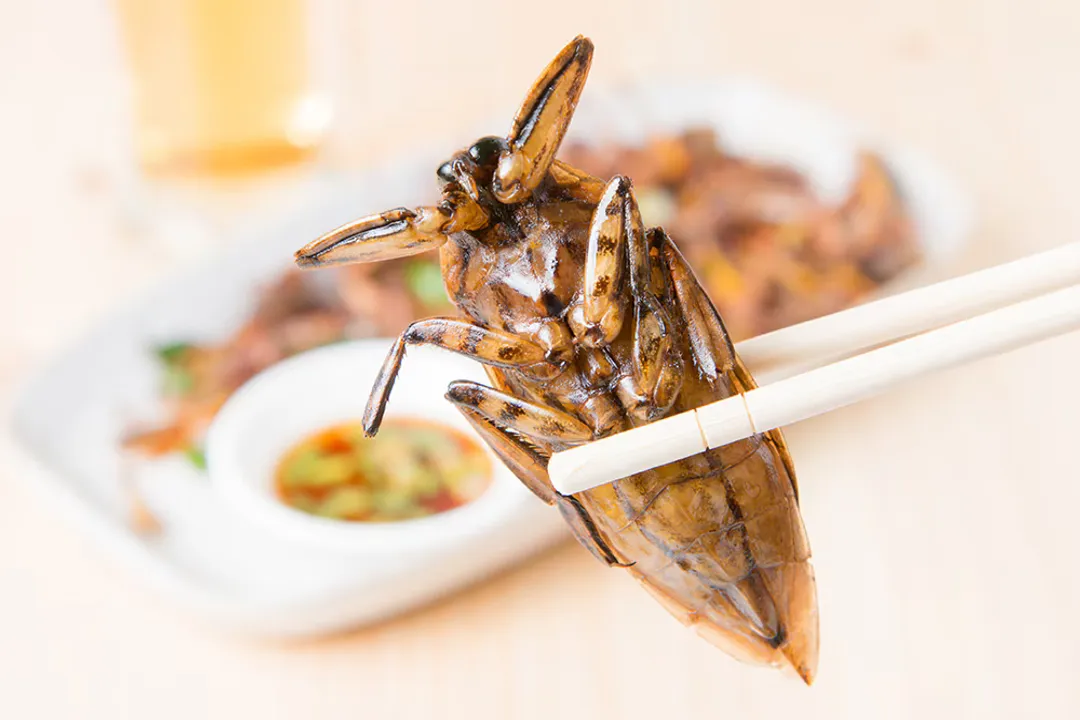
Across parts of Asia, particularly in Southeast Asia, the giant water bug is not merely a predator to be avoided; it is a significant culinary resource. Known locally in Thailand as Maeng Da (or Mang Da), these insects, particularly the species Lethocerus indicus, are sought after. They are often collected at night using floating traps baited with black lights, as the adults are attracted to light sources, especially during breeding season.
Consumption methods vary. The larger females are often cooked whole—lightly boiled or deep-fried and salted. In Thai cuisine, they are famously used to make nam prik mang da, a type of spicy relish. For this, the small males, rich in fragrant pheromones, are sometimes ground up with chilies and garlic. The flavor profile is highly unique, described as reminiscent of shrimp but unlike anything else. Specific notes mentioned include a combination of watery scrambled eggs and a strong, pungent black licorice flavor in the body meat, while the head meat is likened to mushy crab, both carrying that characteristic licorice note. The overall taste sensation is sometimes characterized as "sweetbitter," blending fruit-like notes with anise or licorice.
Even their eggs are prized. Known as water amaranth, they are highly valued for their granular appearance, with a taste sometimes compared favorably to caviar. This practice of entomophagy shows that what seems like a fearsome aquatic predator to one culture is a source of unique, protein-rich flavor to another. This juxtaposition highlights a major cultural divide in the perception of insects—a division scientists suggest might need to shift in the West as sustainable food sources are sought.
Related Questions
#Citations
Cockroaches Vs Water Bugs - PF Harris
What Do Water Bugs Eat? 10 Foods This Bug Loves - A-Z Animals
How to Eat a Giant Water Bug (Maeng Da) แมงดา - Eating Thai Food
Giant water bug - Alimentarium
Spotlight On: Giant Water Bug (Mang Da) | Pass The Flamingo
Giant water bugs eat turtles, ducklings, and even snakes
Belostomatidae - Wikipedia